
Hatcher Pass & Independence Mine 2026 — Gold Rush History & Alpine Adventures
About an hour and a half north of Anchorage, Hatcher Pass delivers what most Anchorage-area day trips promise but rarely deliver: genuine alpine terrain, a dose of real Alaska history, and the sense that you’ve actually gotten somewhere. The pass tops out at around 3,500 feet in the Talkeetna Mountains, above the trees, above the brush, and into the open tundra that defines this corner of southcentral Alaska. At its heart sits Independence Mine State Historical Park — the remains of a gold operation that ran from 1938 to 1951 and now stands as one of the most atmospheric historical sites in the state. For hikers, history buffs, wildflower chasers, and anyone who wants an all-day adventure without driving to Denali, Hatcher Pass is the answer.
Getting There
From Anchorage, the standard route is north on the Glenn Highway to the Wasilla/Palmer area — about 40 minutes in light traffic — then north on the Palmer-Fishhook Road (also called Hatcher Pass Road) into the pass. Total drive to Independence Mine is approximately 75 miles and 1.5 to 2 hours depending on where in Anchorage you’re starting and how much traffic you hit on the Glenn. The road is paved to the mine area and beyond; the summit road transitions to gravel. Passenger cars make the drive regularly. The road closes in winter above the mine area, but the lower valley remains accessible for skiing and snowmachining.
Parking at Independence Mine fills on summer weekends. Plan to arrive before 10 a.m. if you want a spot near the trailheads; arriving mid-morning means circling or parking further down the road and walking in.
Independence Mine State Historical Park
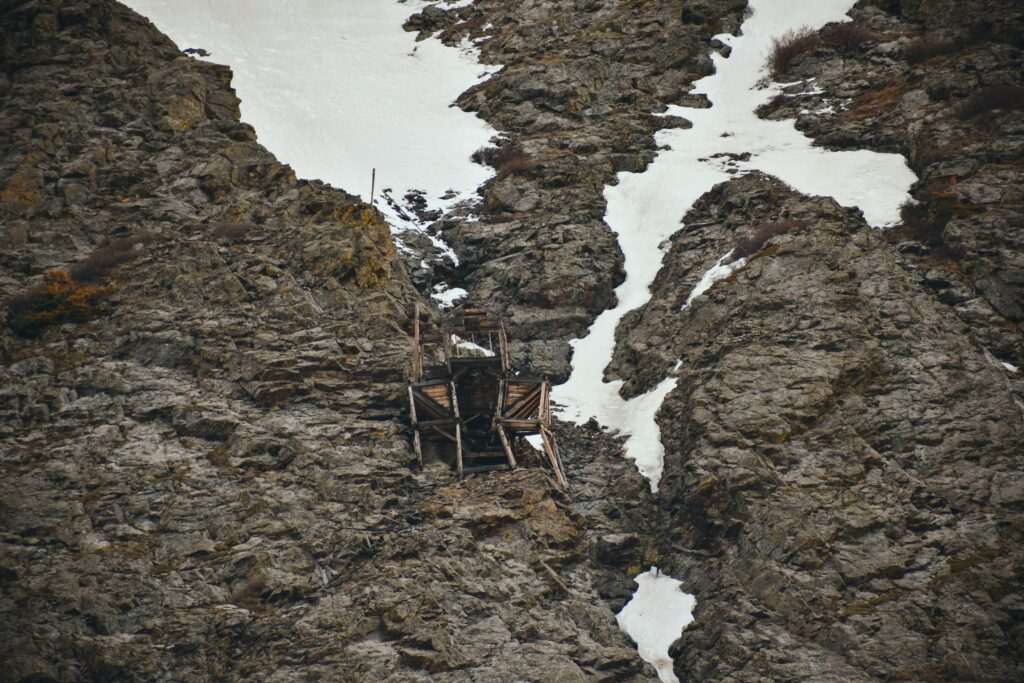
The Independence Mine State Historical Park is what makes Hatcher Pass more than a scenic drive. The mine operated during what amounted to Alaska’s last significant gold rush, extracting hard-rock gold ore from the quartz veins running through the Talkeetna Mountains. At its peak, the operation employed hundreds of workers, and a full camp infrastructure grew up around it — bunkhouses, a manager’s house, a mess hall, an assay office, a warehouse, and the ore processing facilities that defined the landscape.
Production stopped in 1951, partly due to rising costs and partly because the federal government had frozen gold prices during World War II, removing the economic incentive that had driven the boom. The mine was eventually acquired by the state, and today visitors can walk among the original structures under a self-guided tour. The Alaska Division of Parks maintains the buildings in a state of stabilized preservation — not restored to look new, but protected from further deterioration. The result is a setting that feels genuinely historic: weathered wood, rusted machinery, and views down the valley that haven’t changed much since the 1940s.
The visitor center (open summer months, typically mid-May through mid-September) houses exhibits on the mine’s operation, the lives of the workers, and the broader context of Alaska gold mining. Entry is approximately $5 per vehicle or covered by an Alaska State Parks pass. Give yourself at least 90 minutes to walk the full site — more if you want to read the interpretive panels closely or explore the outlying structures.
Hiking Hatcher Pass
The trails out of the mine area range from easy walks to sustained alpine climbs, and all of them start with the advantage of beginning at nearly 3,000 feet elevation — you’re already above tree line before you take your first step.
Reed Lakes Trail is the most popular hike in the Hatcher Pass area and one of the most rewarding in the Mat-Su Valley. The trail runs approximately 4.7 miles round trip to the upper lake, gaining around 1,000 feet of elevation through a classic U-shaped glacial valley. The lower lake is about 1.5 miles in; most hikers continue to the upper lake, which sits beneath steep cirque walls and often holds snow on its banks into July. Difficulty is rated moderate to strenuous — the terrain is rocky and the final push to the upper lake requires careful footing. Bring trekking poles if you have them. The Reed Lakes trailhead is accessed from Archangel Road, a few miles below the mine; a short drive from the main Hatcher Pass Road.
Archangel Road Valley walks offer an easy, non-technical alternative. The road itself is gated to vehicle traffic but open to foot traffic, and the valley it follows is stunning — a flat-bottomed hanging valley flanked by ridges on both sides, with Archangel Creek running alongside. It’s a good option for families with young children or visitors who want big scenery without the technical demands of Reed Lakes.
Ridge trails above the mine offer panoramic views of the Talkeetna Mountains and the upper Matanuska-Susitna Valley on clear days. These routes require more navigation and scrambling than the marked trails below — bring a map and be comfortable with off-trail movement. The views are worth the effort: on a clear summer day, the ridgeline reveals layer after layer of mountain peaks extending north into the Alaska Range.
Summer on the Tundra: Wildflowers and Berries
The tundra around Hatcher Pass is one of the most reliably spectacular wildflower landscapes in southcentral Alaska. July is peak bloom, when the open hillsides come alive with fireweed, lupine, Jacob’s ladder, and dozens of other alpine species that cram as much color as possible into the short growing season. The effect, set against the backdrop of bare rock ridgelines and the remnant snow patches that persist into midsummer at elevation, is genuinely striking.
By August, the wildflowers give way to berries. The slopes below treeline hold wild blueberries, crowberries, and bog cranberries in abundance. Picking is permitted on state land; bring a small container and plan to spend at least 20 minutes grazing. The blueberries here are the low-bush variety — smaller than their cultivated counterparts, but considerably more flavorful.
Photographers find Hatcher Pass reliably productive throughout the summer. The combination of alpine light (especially in the long evening hours when the sun drops low but doesn’t set), historical structures, and wildflower fields creates a density of compelling subjects that’s unusual even by Alaska standards. The golden hour at Hatcher Pass, when the late sun catches the weathered wood of the mine buildings against the mountain backdrop, is legitimately beautiful.
Winter at Hatcher Pass
Hatcher Pass doesn’t close for the season — it just changes character. The lower valley is one of Anchorage-area winter recreationists’ favorite destinations for backcountry skiing and snowmachining. The terrain above the mine area, which is inaccessible by road in winter, is reached by snowmachine, with slopes and bowls that attract experienced backcountry skiers. Avalanche terrain is present and significant — anyone heading into the backcountry in winter should carry a beacon, shovel, and probe, and have formal avalanche training. Conditions are checked through the Alaska Avalanche Information Center before any winter backcountry trip.
The lower Hatcher Pass Road remains plowed through the winter, and there are groomed cross-country ski trails in the valley for those who want a lower-commitment winter outing. The contrast between the stark white winter landscape and the dark silhouettes of the mine buildings makes for a different but equally striking photographic experience.
Combining Hatcher Pass with a Palmer Day Trip
The drive to Hatcher Pass takes you through Palmer, the small city that anchors the Mat-Su Valley and hosts the Alaska State Fair each August. Palmer has its own layer of Alaska history — it was colonized in the 1930s as an agricultural experiment, when the federal government relocated over two hundred farming families from the Midwest dust bowl to establish farming operations in the Mat-Su Valley. The Colony House Museum in Palmer tells that story with period photographs and artifacts from the original colonists. It’s worth 30 to 45 minutes if you’re interested in the Depression-era backstory behind what is now one of Alaska’s most productive agricultural regions. If your visit falls in late August or early September, the Alaska State Fair in Palmer is one of the largest events in the state — giant vegetables, live music, carnival rides, and a genuinely festive atmosphere that makes a Hatcher Pass day even easier to extend into an evening.
A full Hatcher Pass day trip can reasonably include: morning at Palmer for coffee and a look around downtown, lunch at the mine visitor center or trailside, an afternoon hike on Reed Lakes or the Archangel valley, and a late-afternoon return through Palmer for dinner before the drive back to Anchorage. In July and August, you’ll have plenty of daylight — 19 to 20 hours of usable light — so the return drive doesn’t feel rushed even if you linger on the mountain.
What to Bring
Hatcher Pass weather is unpredictable at any point in the summer. The alpine environment generates its own weather patterns, and conditions at the mine can differ substantially from what Anchorage was doing when you left. Pack layers regardless of the forecast: a waterproof shell, a mid-layer, and sun protection are the non-negotiables. Even in July, temperatures at elevation can drop to the low 50s with wind, and afternoon fog rolls through the passes without much warning.
Bear spray is standard gear for any Alaska backcountry outing. Both brown and black bears are present in the Hatcher Pass area. The chances of a dangerous encounter are low, but the spray should be accessible on your body — not in a pack — when moving through brushy terrain. Cell coverage in the upper valley is limited; let someone know your plan and expected return time before you head out.
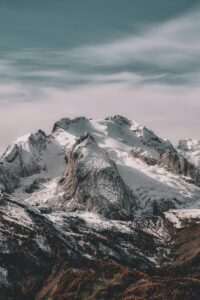
Featured photo by fish socks on Pexels.
No comments yet.