
Hatcher Pass 2026 — Independence Mine, Wildflowers & Day Trip Guide
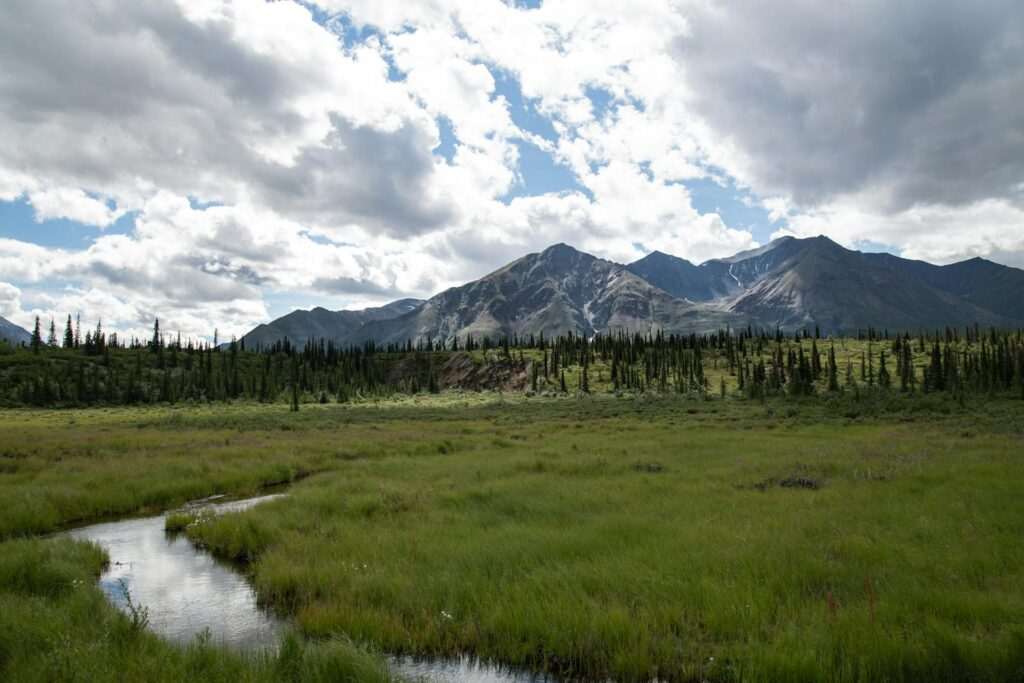
Ninety minutes north of Anchorage, the road climbs out of the birch forests and into a high alpine world of wildflowers, crumbling mine buildings, and glacier-fed rivers. Hatcher Pass — sitting at roughly 3,800 feet in the Talkeetna Mountains — delivers some of the most dramatic summer scenery in the Mat-Su Valley. It’s the kind of place that draws Anchorage locals back year after year: weekend hikers who know every switchback, photographers chasing the fireweed peak, and families who come for the gold rush history and stay for the views. If you only have one day trip left to plan for your Alaska 2026 visit, make it this one.
Getting There
Hatcher Pass sits about 75 miles north of Anchorage, roughly a 1.5-hour drive via the Glenn Highway to Palmer, then north on Fishhook Road. The paved section continues past Independence Mine before transitioning to gravel near the summit. Most passenger cars handle the route comfortably in summer, but the gravel section calls for a slower pace. The fall closure typically happens in late September or October depending on snowfall — check Alaska DOT road conditions before any late-season trip.
Independence Mine State Historical Park
The jewel of Hatcher Pass is Independence Mine State Historical Park, a well-preserved gold rush site that operated from the 1930s through World War II. At its peak, the Alaska-Pacific Consolidated Mine employed nearly 200 workers extracting hardrock gold from the surrounding peaks. Today you can walk among 21 restored buildings — bunkhouses, mine structures, and equipment — on a self-guided or ranger-led tour.
The visitor center is open daily in summer (typically late May through early September). Plan to spend at least two hours here. The walk from the parking area to the mine itself is a moderate 0.5-mile uphill, and the exposed plateau can run 20 to 30°F colder than Palmer — even on a warm day, a jacket is non-negotiable.
Hiking Hatcher Pass
The valley trails range from easy river walks to strenuous ridge scrambles, giving hikers of every ability level something to aim for. Trails are mostly unmaintained wilderness paths, so good boots and a paper map are worth carrying.
Gold Mint Trail is the most popular choice — a 16-mile out-and-back route that follows the Little Susitna River through willow flats and up into a glaciated hanging valley. Most day hikers turn around at the 4- to 6-mile mark, where views of the Mint Glacier cirque are outstanding. The footing is mostly rocky tundra with some boggy sections; rated moderate.
Archangel Valley branches off Fishhook Road a few miles before Independence Mine. A rough road (high clearance recommended) leads into a wide valley ringed by jagged peaks, with short hikes past old mining ruins and cold, clear streams. It sees fewer crowds than Gold Mint and feels distinctly wilder.
Reed Lakes Trail climbs steeply out of Archangel Valley to two alpine lakes at 3,000 and 3,400 feet. Lower Reed Lake is about 4 miles round-trip; Upper Reed Lake adds another 2 miles and a waterfall crossing. The upper lake sits in a glacial cirque — one of the finest destinations in the entire Anchorage-area trail network.
Summer Wildflowers
Late June through July is peak wildflower season in the pass, and the show is hard to overstate. Fireweed blazes in magenta pink along every roadside and valley floor. Lupine — both purple and the rarer white form — carpets the lower slopes. Columbine, Jacob’s ladder, and wild geranium fill the gaps between boulders. For photographers, early morning light on the wildflower meadows with snowcapped peaks rising behind them is the signature Hatcher Pass shot. By early August the fireweed tops are going to seed, signaling that summer is beginning its retreat.
Gold Panning the Little Susitna
The Little Susitna River at the Motherlode area has historically yielded placer gold, and recreational panning is permitted on many public stretches of the river. Bring a pan and a classifier — the gravel bars near the Gold Mint trailhead are a good starting point. Finds run small but real, and the activity is especially popular with families looking for a hands-on Alaska moment. No license is required for recreational panning on public land — just patience and a sense of gold rush spirit.
Planning a Full Mat-Su Valley Day
Hatcher Pass pairs naturally with other Mat-Su landmarks. On the return leg, consider a detour east on the Glenn Highway to visit Matanuska Glacier — Alaska’s largest road-accessible glacier, about an hour from Palmer — for a completely different perspective on Alaska ice. If your visit falls in late August, the Alaska State Fair in Palmer runs from late August through Labor Day weekend and makes a perfect add-on: giant vegetables, local food, and live music cap off a full valley day.
Practical Tips
- Dress in layers. The summit area routinely runs 25–30°F colder than Anchorage. A wind shell and mid-layer are essential even in July.
- Arrive early. Parking at Gold Mint Trailhead and Independence Mine fills by late morning on sunny weekends. Aim to arrive before 9 a.m.
- Check road conditions. The gravel section beyond the mine can be rough after rain. Visit AK DOT511 before you go.
- Fall closure. The upper road typically closes in late September or October. Confirm access before a shoulder-season visit.
- No cell service. Coverage drops off in the valley. Download offline maps before leaving Anchorage.
- Wildlife. Dall sheep, moose, and black bear are regular sightings. Keep 100 yards from bears and 25 yards from moose.
Best Time to Visit
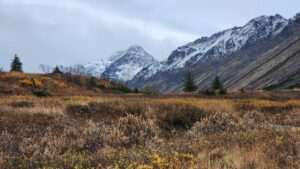
Late June through August is the sweet spot: the road is fully open, wildflowers are at peak, and daylight runs nearly 20 hours at the solstice. Early July combines the fullest flower show with the longest days. September brings stunning fall color — alpine tundra turns rust and crimson — but nighttime temperatures drop quickly and the upper road can close without much warning. Whatever month you choose, Hatcher Pass rewards the drive with scenery that stays with you long after you’ve returned to the city.
Featured photo by John De Leon on Pexels.

No comments yet.