
Glamping Near Anchorage 2026: Luxury Camping, Wilderness Lodges & Unique Stays
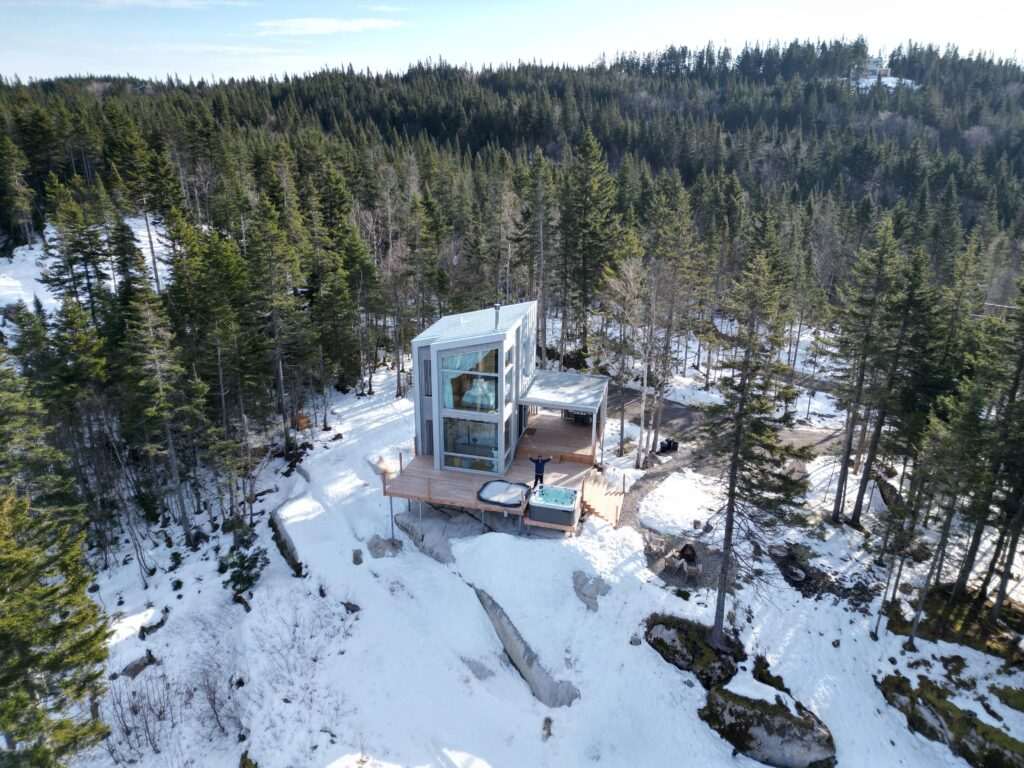
Alaska’s most memorable wilderness stays don’t involve tent pegs in the mud or cooking over a camp stove in the rain. The glamping category — broadly defined as any outdoor accommodation that provides the wilderness setting without sacrificing comfort — ranges from timber-frame lodges with private hot tubs to fly-in wilderness camps where staff cook your halibut over a wood fire and serve it with locally foraged greens. For visitors based in Anchorage, the glamping options within a few hours’ drive or a short floatplane hop are among the best in North America.
What Glamping Means in the Alaska Context
In the Lower 48, glamping typically means a canvas tent with a platform bed and fairy lights. In Alaska, the concept scales considerably. The most desirable premium outdoor stays here involve genuine wilderness access — Prince William Sound coves reachable only by boat or floatplane, Denali-view lodges set in the boreal forest well beyond the road grid, and remote fly-in fishing camps where access logistics are part of the appeal. The defining feature of Alaska glamping is not the thread count but the location: you are somewhere genuinely wild, and someone else has done the considerable work of getting quality accommodation there.
For city-based visitors, the spectrum runs from accessible-by-car luxury (Girdwood, Matanuska Valley) to charter-required remote (Prince William Sound islands, Kenai Fjords coastal camps). Budget ranges accordingly, from around $250/night at the accessible end to $800–$1,200/night for remote fly-in camps, often with meals and activities included.
Girdwood and Alyeska: Luxury 45 Minutes from Downtown
Alyeska Resort is the most accessible luxury wilderness stay from Anchorage — 45 minutes south on the Seward Highway, set in the narrow Girdwood Valley with the Chugach peaks rising steeply on three sides. The resort operates Alaska’s largest ski mountain in winter and runs a full summer program with gondola rides, mountain biking, hiking, and evening glacier viewing. Rooms and suites face the mountain directly, with balconies overlooking the valley and the tree line above.
Girdwood itself is a small community with a handful of quality restaurants and craft breweries, making an Alyeska stay a comfortable basecamp for day trips along the Seward Highway rather than a purely resort-contained experience. This is the most practical entry point into Alaska luxury lodging for visitors not planning specialized excursions — a genuine mountain resort with real wilderness access, not a hotel near a national park.
Hatcher Pass: Yurts and Unique Stays in Alpine Country
The Hatcher Pass area, 1.5 hours north of Anchorage, has developed a small inventory of premium short-term rental properties that provide genuine alpine seclusion without floatplane logistics. Yurt rentals and private cabin properties on the flanks of the pass offer immediate access to above-treeline hiking, wildflower meadows in July–August, and the dramatic open landscape of the Talkeetna Mountain foothills.
The appeal here is the silence and visual scale — you are well above the Mat-Su Valley floor, the peaks stretch in every direction, and the nearest commercial activity is a long drive down the switchbacks. Properties in this area typically book through Airbnb or VRBO; search for listings in the Hatcher Pass, Independence Mine, or Willow area zip codes. This category of stay suits visitors who want genuine wilderness immersion but prefer a known address and a stocked kitchen over lodge programming.
Matanuska Valley: Glacier-View Lodges and Glamping Ranches
The Glenn Highway corridor toward Matanuska Glacier has seen real growth in premium accommodation over the past several years. Several properties have opened that capitalize on the glacier views from the valley — some with canvas-over-platform tent accommodations, others with small private cabins or A-frames positioned to face the ice. This is the “classic glamping aesthetic” applied to a genuinely spectacular Alaskan setting: waking up with coffee in hand looking at a 27-mile-long glacier across the valley is a different experience than waking up in a glamping resort in the Napa Valley.
Properties in this corridor are roughly 2–2.5 hours from Anchorage, making them viable for a two-night minimum stay that also accommodates a glacier trek day. The Matanuska-Susitna Borough has limited short-term rental inventory in this area, so booking 4–6 weeks ahead for summer peak (July–August) is advisable. Some properties are accessible directly through the Glenn Highway; others require a short dirt road segment.
Prince William Sound: Wilderness Lodges from Whittier
Prince William Sound is where Alaska glamping reaches its most dramatic expression. The Sound is dotted with private wilderness lodges — floating or shore-based — accessible only by boat or floatplane from Whittier. These operations typically include meals, guided kayaking, marine wildlife watching, and fishing in a setting of glaciated peaks, iceberg-filled coves, and waters thick with sea otters and harbor seals.
Access through Whittier means an hour’s drive from Anchorage plus the tunnel transit; Major Marine Tours operates marine excursions from the Whittier small boat harbor into the Sound, covering some of the same waters that wilderness lodges occupy. Visitors who book multi-night Prince William Sound lodge stays will typically arrange water taxi or floatplane pickup directly with the lodge operator. These are Alaska’s most expensive glamping options — $700–$1,200/night inclusive of meals and guided activities is typical — but the remoteness and all-inclusive format justify the premium for visitors whose primary Alaska goal is total immersion.
Kenai Peninsula Luxury Lodges
The Kenai Peninsula, 2–3 hours south of Anchorage, supports a mature luxury lodge industry built around sport fishing and marine wildlife. Remote lodges accessible via charter boat from Homer or Seward offer multi-night stays targeting halibut, king salmon, and silver salmon with full lodge accommodation, guide services, and Alaska seafood-focused meals. Kachemak Bay and the outer Kenai coast have several established operations that cater to premium fishing travelers.
Guided fishing day trips can be added to any Kenai Peninsula lodge stay — Alaska Fishing Adventures operates on the Kenai River for king and silver salmon, complementing lodge-based stays with full-day guided river access. For visitors less focused on fishing, the Kenai Peninsula’s trail systems, tidal flats, and Kenai Fjords National Park proximity make lodge-based stays viable as a wildlife and hiking platform. Homer-area lodges with bay-facing cabins and Kachemak Bay State Park across the water represent the premium end of the accessible Kenai Peninsula glamping spectrum. Expect $350–$600/night for quality Kenai Peninsula lodge stays, with fishing charters priced separately unless on an all-inclusive package.
Denali Backcountry Lodges: A Full-Day Drive
The Denali area lies roughly 4–5 hours north of Anchorage via the Parks Highway, which puts it at the outer edge of “day trip” territory but firmly within reach for a 2–3 night glamping itinerary that combines the drive with time at the mountain. Several lodges operate in the Denali Borough — outside the national park boundaries but within sight of the Alaska Range — that offer premium accommodation, flightseeing packages, and direct access to rafting and hiking in the Nenana River canyon.
Talkeetna (2.5 hours north) also has smaller premium cabin and B&B operations that function as affordable backcountry lodge alternatives with direct Denali flightseeing access from the Talkeetna airstrip. A Talkeetna-based two-night stay with a glacier landing flightseeing tour is the most accessible Denali glamping experience and does not require the full Denali Borough drive.
Bear Safety: What the Lodges Handle and What You Bring
Every quality Alaska glamping operator manages the bear-safety dimension of outdoor stays in Alaska. This means bear-proof food storage (either purpose-built bear boxes or food kept inside lodge structures), staff protocols for encounters on the property, and orientation for guests on behavior in bear country. For tent-based glamping properties, bear canisters or approved storage are standard, and responsible operators will brief guests at check-in.
What guests should bring: bear spray (available at Anchorage REI, Sportsman’s Warehouse, and outdoor retailers — do not plan to borrow it from the lodge), an understanding of how to use it, and proper behavior around food in camp. Lodges in prime bear habitat will have their own additional protocols, but bear spray on your person during any trail activity in southcentral Alaska is basic responsible practice regardless of where you are staying.
Best Season: June Through September
Alaska glamping season runs June through September, with July and August as the core window. June offers long days (nearly 20 hours of daylight at the summer solstice) and the first wave of wildflowers in alpine country, but some high-elevation properties remain snow-accessed early in the month. August adds salmon run timing on top of peak summer conditions, making fishing-focused lodge stays particularly compelling. September brings fall color to the birch and alder, cooler temperatures, significantly fewer crowds, and lodge rates that often drop 15–25% from August peaks — a strong value window for visitors with flexible schedules.
Booking Logistics: Direct vs. Alaska Travel Agents
For drive-to properties (Girdwood, Hatcher Pass, Matanuska Valley), standard direct booking through the property website or Airbnb/VRBO is appropriate. For remote lodge stays — Prince William Sound, outer Kenai coast, Denali backcountry — working with an Alaska-based travel agent or lodge specialist can be valuable. These agents know which operators are actively running, which have changed ownership or quality, and how to combine floatplane logistics, lodge stays, and guided activity bookings into a coherent multi-night itinerary.
Remote Alaska lodge availability is limited — most quality operations have 6–12 guest capacity — and they book out 4–6 months ahead for peak season. For a July or August wilderness lodge stay, planning in January or February is not excessive. If your travel dates are fixed and a specific lodge is your priority, contact the lodge directly as early as possible rather than waiting for spring trip planning season when the best available dates are already gone.
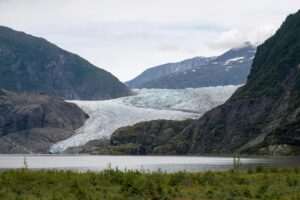
Featured photo by Hugo Teco Necta on Pexels.
No comments yet.