
Glacier Trekking & Ice Climbing Near Anchorage 2026 — Adventure Guide
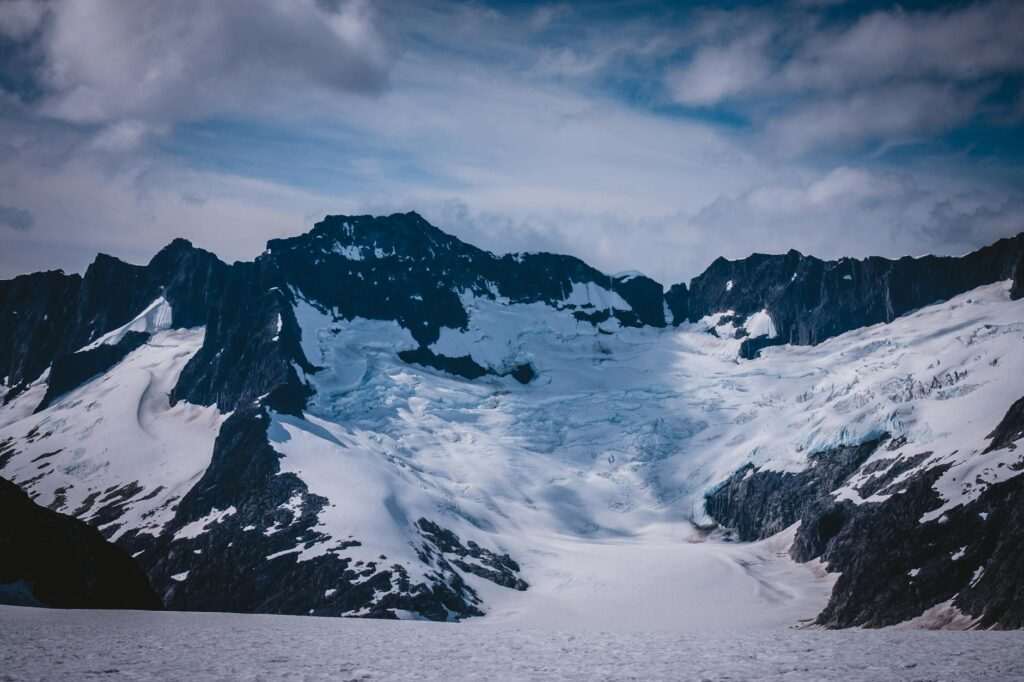
Walking on a glacier changes your understanding of scale. The ice around you was snow centuries ago. The crevasse to your left drops farther than you can see. The blue walls of an ice cave glow with light that hasn’t touched air since before anyone alive was born. Alaska has more glacial ice than the rest of the United States combined, and Anchorage puts visitors within reach of glacier experiences that range from a casual two-hour guided walk to multi-pitch ice climbing on vertical walls. Here’s how to access it.
Guided Glacier Walks: No Experience Required
Matanuska Glacier — The Essential First Glacier
Matanuska Glacier is the most accessible serious glacier in Alaska — 27 miles long, 4 miles wide, and reachable from Anchorage in two hours via Glenn Highway. The surface is wide and relatively flat, the scenery is extraordinary, and guided walks require no prior glacier experience whatsoever.
MICA Guides is the established operator at Matanuska and the right choice for most visitors. Their standard two-hour guided walk costs $95 per person with crampons provided and included — no gear to source or transport. Half-day tours at $175 go deeper onto the glacier and access ice caves from April through June, when seasonal melt forms hollow chambers with translucent blue walls. Full-day programs cover advanced terrain and are available for visitors who want a more complete glacier experience.
The best season runs April through October. Spring brings active ice caves; summer brings long daylight and good weather; fall brings stable snow conditions and fewer crowds. Build in flexibility for weather cancellations — glacier operators cancel when conditions become unsafe, which happens more often than visitors expect.
Glacier Discovery Days offers introductory glacier programs designed specifically for first-timers and families, with an educational emphasis alongside the physical experience of walking on ice. A good option if you’re introducing children or less-experienced adults to glacier travel.
Knik Glacier — Helicopter Access
Forty-five minutes north of Anchorage near Palmer, Knik Glacier is accessible only by helicopter — no road reaches it. That access method transforms the experience. You approach across the Matanuska-Susitna Valley, watch the glacier come into view from the air, and land on ice that no road visitor has ever touched. Tours combine a 30-minute helicopter flight with 45 minutes of guided walking on the glacier. Prices run $299–$399 per person depending on operator and season.
Alaska Glacier Combination Tours and Alaska Icefield Adventures both offer helicopter glacier programs from the Anchorage and Mat-Su Valley area. If budget allows, the helicopter approach to a glacier is a genuinely different category of experience from a road-accessible walk.
Exit Glacier — Free and Self-Guided
Exit Glacier in Kenai Fjords National Park (2.5 hours from Anchorage near Seward) lets visitors walk directly to a glacier’s toe at no cost. The 0.8-mile paved trail from the visitor center ends at the glacier face, where interpretive markers chart the ice’s retreat by decade — a visual lesson in glaciology that no exhibit can replicate. No crampons, no guide, no fee.
The Harding Icefield Trail from the same trailhead is a different proposition entirely: 8.2 miles round trip with 3,000 feet of elevation gain, reaching views across one of the largest icefields in the United States. Plan five to seven hours and pack full mountain layers regardless of valley conditions. Adventures by True North leads guided Harding Icefield trail experiences for visitors who want expert navigation and interpretation on the longer route.
Ice Climbing: Vertical Ice Near Anchorage
Matanuska Glacier Ice Climbing Courses
MICA Guides offers structured ice climbing instruction at Matanuska alongside their trekking programs. A half-day introductory course ($225–$350 per person) covers crampon technique, ice axe use, and top-rope climbing on 30–60-foot ice walls in a controlled setting appropriate for beginners with no prior climbing experience. Full-day courses add lead climbing technique, ice screw placement, and multi-pitch movement for participants with a foundation to build on.
All technical gear — crampons, ice axes, helmets, harnesses, and ropes — is provided by the guide service. Personal gear requirements are straightforward: waterproof boots rated for cold conditions, warm layered clothing, gaiters, and a rain shell.
Eklutna Canyon Ice Climbing
Closer to Anchorage, Eklutna Canyon forms seasonal ice climbing routes in winter — a legitimate technical ice climbing venue accessible without the Matanuska drive. The canyon routes form reliably in cold winters and offer vertical ice climbing within striking distance of the city. Best accessed with a guide for anyone unfamiliar with the canyon’s specific conditions and hazards.
Valdez: World-Class Ice (Plan an Overnight)
Five to six hours from Anchorage, Valdez hosts Keystone Canyon — vertical ice falls of 100 feet or more that draw elite climbers internationally. The International Valdez Ice Climbing Festival in February brings guides, competitions, and clinics to the area. This is Alaska’s benchmark ice climbing destination and worth the trip for serious climbers, but the distance rules out a comfortable day trip. Plan two nights minimum. Tidewater Glacier Expeditions runs multi-day glacier and ice programs in southcentral Alaska for climbers ready to commit to a more serious itinerary.
Safety, Gear & Booking
The core safety rule for glacier travel is simple: never walk on glaciated terrain without a qualified guide unless you have specific training in glacier travel and crevasse rescue. Crevasses are frequently invisible from the surface, can extend more than 100 feet deep, and are present on every glacier in Alaska including the flat-looking sections. Every reputable operator on this list carries emergency communication equipment and rescue gear — that’s part of what the guide fee covers.
For guided tours, operators provide all technical glacier gear. Personal kit should include: waterproof boots (the single most important item — meltwater soaks trail runners immediately), warm mid-layers, a waterproof outer shell, gaiters, and sun protection. Glacier glare is intense and sunburn happens fast even on overcast days.
Lifetime Adventures offers multi-day glacier and wilderness programs for groups or individuals who want a more immersive experience than a single guided day allows. For visitors with more time and ambition, a multi-day glacier program delivers a level of competency and connection to the ice that a half-day tour only hints at.
Book all glacier tours at least two to three weeks ahead in summer, four to six weeks ahead for July and August dates. Weather cancellations are built into the operating reality — choose operators with flexible rescheduling policies and plan buffer days if possible. The glacier will still be there. The weather is the variable.
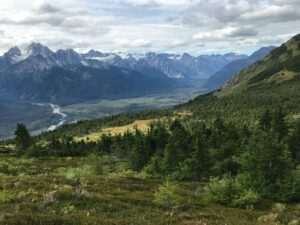
Featured photo by Lloyd Douglas on Pexels.

No comments yet.