
Fossil Hunting Near Anchorage 2026 — Alaska Paleontology Day Trips
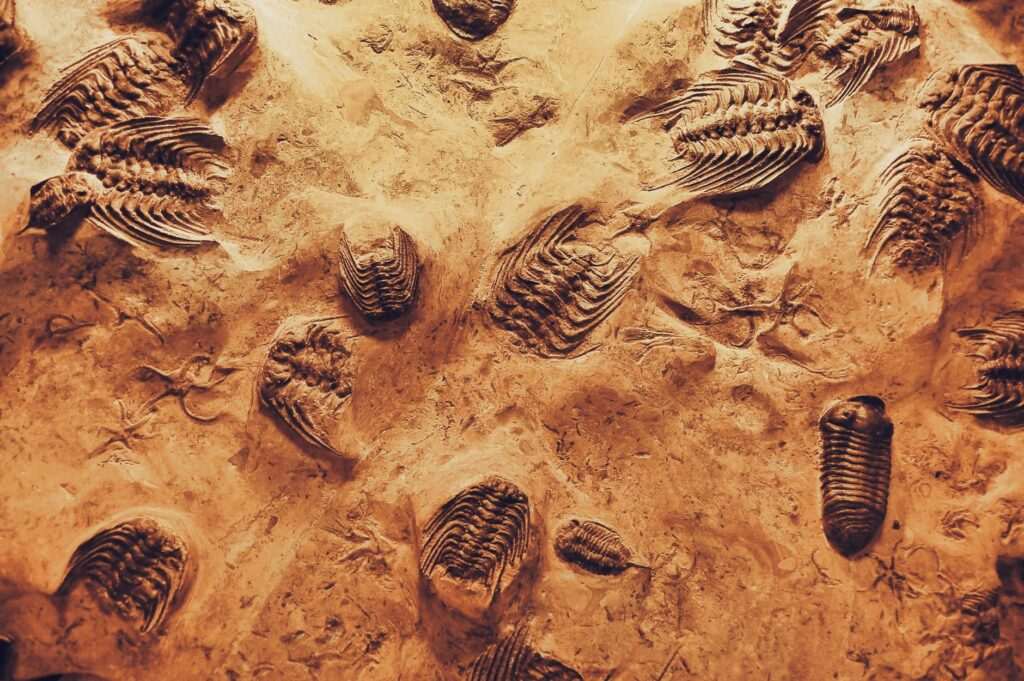
Alaska has been under tropical seas, ancient forests, and vast glaciers — and it kept receipts. Within a two-hour drive of Anchorage, you can find 70-million-year-old ammonites eroding out of roadside cliffs, dig marine fossils from Cretaceous seafloor sediments, and walk beaches strewn with the shells of creatures that swam an ocean that no longer exists. Here’s where to look, what you’ll find, and how to do it right in 2026.
The Matanuska Formation: Alaska’s Best Accessible Fossil Site
The most significant fossil-bearing formation near Anchorage is the Matanuska Formation — a sequence of marine sedimentary rocks deposited roughly 70–80 million years ago, during the Late Cretaceous period, when southcentral Alaska was covered by a shallow inland sea. Today those sediments are exposed in the Matanuska Valley, the agricultural flatlands northeast of Palmer, approximately 45 miles from Anchorage via the Glenn Highway.
The formation’s fossils are primarily marine invertebrates: ammonites (the coiled cephalopods that look like spiral-shelled relatives of squid), bivalves (ancient clams), and gastropods (snails). Ammonites from the Matanuska Formation can range from thumbnail-sized to dinner-plate-sized, and they’re identifiable by their distinctive ribbed, spiral shells — when you find one weathering out of a gray mudstone cliff, it’s immediately recognizable. These creatures swam the Cretaceous sea while dinosaurs walked the land nearby.
Exposures of the Matanuska Formation run through the valley between Palmer and Chickaloon, with accessible outcrops visible from road cuts along the Glenn Highway and in the stream valleys cutting through the area. The fossil-bearing layers appear as dark gray or tan mudstone and shale bands interbedded with sandstone — look for the finer-grained, laminated layers rather than the coarser sandstones.
Getting There and Day Trip Logistics
From Anchorage, take the Glenn Highway northeast toward Palmer. The Matanuska Valley opens up dramatically past Palmer — the valley floor is wide and flat, with the Talkeetna Mountains to the north and the Chugach Range to the south. Hatcher Pass and Independence Mine State Historical Park is in this same corridor, making it easy to combine a fossil-hunting excursion with a visit to one of Alaska’s most dramatic mountain parks.
The Matanuska Glacier is another 60 miles further up the Glenn Highway — a full-day extension for those who want to combine glacier walking with fossil hunting. Some of the most accessible fossil outcrops are between Palmer and Chickaloon (mile 60–75 of the Glenn Highway), where road construction and stream erosion have exposed fresh surfaces of the formation.
A few practical notes on access: some of the best exposures are on state land or alongside public roads and are freely accessible. Others are on private agricultural land — always confirm ownership and get permission before entering private property. The area has no formal fossil parks or visitor centers; this is self-guided exploration, and part of the experience is finding your own sites.
What to Look For: Identifying Matanuska Fossils
The most common finds in the Matanuska Formation:
- Ammonites: Coiled, ribbed shells ranging from 2 cm to 30+ cm across. They appear in cross-section when the rock weathers — look for circular or spiral outlines on rock faces. The inside of a broken ammonite reveals beautiful internal chambers.
- Inoceramid bivalves: Large, flat clam-like shells with distinctive wavy or ribbed surface texture. These were among the most abundant organisms in the Cretaceous sea and are often found as fragments in the rock face.
- Gastropods: Coiled snail shells, usually smaller than ammonites and with a pointed, conical profile rather than the ammonite’s flat spiral.
- Trace fossils: Burrows and feeding trails left by creatures that don’t preserve their hard parts — look for tubular structures or curved channels in fine-grained rock surfaces.
Vertebrate fossils (fish, marine reptiles, or anything with bones) are protected under the federal Paleontological Resources Preservation Act and can’t be collected without a permit. Stick to the invertebrate shells and you’re in the clear for casual collecting.
Homer and Kachemak Bay: Fossil Beaches
Homer, about 5 hours south of Anchorage on the Kenai Peninsula, sits on the edge of Kachemak Bay — and the bay’s beaches and bluffs contain marine fossils from several different geological periods. The fossil-bearing exposures tend to appear in the clay and silt bluffs above the beaches, where erosion constantly reveals new material. Beach-walking after storms often turns up freshly weathered specimens.
The south shore of Kachemak Bay, accessible by water taxi from the Homer Spit, has some of the best collecting opportunities in the Homer area. Alan’s Water Taxi & Kachemak Bay Adventures runs shuttles across the bay to the state park’s beaches and drop-off points — combining a fossil hunt with a day in Kachemak Bay State Park is one of the better ways to spend a Homer visit.
Note: Kachemak Bay State Park prohibits fossil collecting within park boundaries. Collect only on the non-park shoreline or confirm with local land managers which beaches allow casual collection before you pick anything up.
Rules and Regulations: What You Can (and Can’t) Take
Alaska’s fossil regulations depend on land ownership — and getting this right matters:
- Chugach National Forest lands: Casual collection of reasonable quantities of common invertebrate fossils (shells, plant material) for personal, non-commercial use is generally permitted without a permit. Vertebrate fossils require a permit.
- BLM lands: Similar casual collection rules to National Forest — invertebrates OK in reasonable quantities, vertebrates protected.
- State Park lands (Chugach State Park, Kachemak Bay State Park, etc.): Collection of any natural objects, including fossils, is generally prohibited. Look but don’t take.
- State lands outside parks: Rules vary; check with the Alaska Department of Natural Resources before collecting.
- Private land: Always get written permission from the landowner before entering or collecting.
The practical takeaway: stick to National Forest and BLM land for collecting, verify land status before you go using the BLM’s public land mapping tools, and never collect vertebrate fossils anywhere without a permit.
Gear for Fossil Hunting
- Rock hammer: A geologist’s hammer (square head, pick on the back) is the standard tool — NOT a carpenter’s hammer, which will shatter rock unpredictably
- Cold chisels: For splitting shale layers to expose fossils embedded in the rock
- Safety glasses: Mandatory when hammering — rock shards travel fast and at eye height
- Magnifying loupe: A 10x loupe lets you see fine detail in small specimens and helps identify what you’ve found
- Newspaper and zip-lock bags: For wrapping and protecting specimens in your pack
- Field guide: “Fossils of Alaska” or a comparable regional guide helps with identification in the field
- Sturdy waterproof boots: Fossil outcrops are often muddy, slippery, or near water — trail runners won’t cut it
- Trekking poles: Useful for scrambling along unstable talus slopes at outcrops
Learn Before You Go: Alaska Museum of Science and Nature
If you want context for what you’re looking for before driving out to the Matanuska Valley, the Alaska Museum of Science and Nature in Anchorage has geological and paleontological exhibits including Alaska fossil specimens. Seeing identified, labeled examples of Matanuska Formation fossils before the field trip gives you a much better eye for what to look for — and a better appreciation for what you’ve found when you return.
Best Season for Fossil Hunting Near Anchorage
The field season runs May through September for most sites. Spring (May–June) is particularly productive because winter freeze-thaw cycles crack rock and expose new fossil surfaces — you’re working fresh material rather than surfaces that have been picked over all summer. Fall (September) also offers good exposure after summer rains have washed rock faces clean.
July and August are the most comfortable months weather-wise but also the busiest on the Glenn Highway and in the Matanuska Valley. Mid-week visits reduce competition for parking at roadside outcrops. Avoid wet-weather collecting on steep clay slopes — the same erosion that exposes fossils can make slopes dangerously unstable when saturated.
Frequently Asked Questions
Can you keep fossils you find in Alaska?
It depends on the land. On federal lands (National Forest, BLM), casual collection of common invertebrate fossils for personal, non-commercial use is generally allowed. Vertebrate fossils (bones, teeth) are federally protected and can’t be taken without a permit regardless of location. On state park lands, collection is prohibited entirely. Always confirm land status and current regulations before collecting — the rules exist to preserve these resources for future visitors.
What fossils are most common near Anchorage?
The Matanuska Formation’s ammonites and inoceramid bivalves are the most accessible and recognizable fossils near Anchorage. These are marine invertebrates from the Cretaceous period (roughly 70–80 million years ago), found in the mudstones and shales of the Matanuska Valley between Palmer and Chickaloon. Homer area beaches have a different mix of marine fossils from younger geological periods.
Do I need special equipment to find fossils?
A basic rock hammer, cold chisel, and safety glasses cover most situations. You don’t need expensive or specialized equipment for beginner fossil hunting — many finds are surface specimens that have already weathered out of the rock and just need to be spotted on the ground or in a stream cut. The loupe and field guide are more about identification than collection.
Are there guided fossil hunting tours near Anchorage?
Formal commercial fossil tours are rare in the Anchorage area. The Alaska Geological Survey and University of Alaska occasionally lead public geology field trips to Matanuska Formation sites — check their event calendars in spring. Natural history groups and rockhound clubs in Anchorage also organize seasonal field trips that are open to members. Self-guided exploration is the most common approach, using published geological guides and BLM land status maps to identify accessible sites.
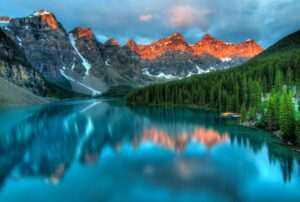
Featured photo by Budget Bizar on Pexels.
No comments yet.