
Family-Friendly Spring Hiking Trails Near Anchorage 2026

Spring in Anchorage opens up incredible opportunities for family hiking adventures. As snow melts and temperatures warm, local trails become accessible again, offering families the chance to explore Alaska’s stunning wilderness with children of all ages.
Whether you’re planning your first family hike or you’re experienced hikers looking for kid-friendly options near Anchorage, this guide covers the best spring trails that welcome families. You’ll discover safe, accessible routes perfect for children, plus essential safety tips for hiking with kids in Alaska.
Why Spring Is Perfect for Family Hiking in Anchorage
Spring hiking in Anchorage offers the perfect balance of accessible trails and manageable weather conditions for families. From late April through early June, you’ll find trails that aren’t too challenging for young hikers while still providing that authentic Alaska wilderness experience.
The extended daylight hours of Alaska’s spring season give families more time to explore. By May, Anchorage enjoys nearly 18 hours of daylight, allowing for flexible hiking schedules that work around nap times and meal schedules.
Spring temperatures typically range from 40-60°F, comfortable for hiking but cool enough that kids won’t overheat during moderate activity. Wildlife is emerging from hibernation, making spring an excellent time for teaching children about Alaska’s animals while maintaining safe distances.
Eagle River Nature Center: Perfect for First-Time Family Hikers
The Eagle River Nature Center offers the ideal introduction to Alaska hiking for families with young children. Located just 30 minutes from downtown Anchorage, this destination combines easy trail access with educational opportunities that keep kids engaged.
The Nature Center features a network of well-maintained trails suitable for children as young as 3-4 years old. The Historic Iditarod Trail provides a gentle 1.5-mile walk along the Eagle River, with interpretive signs that teach kids about Alaska’s history and wildlife.
What Makes It Family-Perfect
The visitor center offers indoor activities if weather turns challenging, including educational displays about local wildlife and ecosystems. Clean restrooms and picnic areas make this an excellent choice for families planning longer outings.
During spring, the center’s naturalist programs often include guided family walks where kids can learn to identify animal tracks, bird calls, and emerging wildflowers. These programs are typically scheduled on weekends from late May through June.
Russian Jack Springs Park: Urban Hiking with Kids
For families seeking convenient hiking options close to the city, Russian Jack Springs Park provides extensive trail networks perfect for spring family adventures. This 300-acre park offers multiple trail options that can accommodate different energy levels and attention spans.
The park’s loop trails range from 0.5 miles to 2 miles, allowing families to choose distances that match their children’s capabilities. Spring is particularly beautiful here, with wildflowers beginning to bloom and migratory birds returning to the area.
Spring Trail Conditions at Russian Jack
During late April and May, some elevated sections may still have snow patches, but the main trails are typically clear and safe for family hiking. The park’s proximity to the city means trails are regularly maintained and clearly marked.
The park features playground equipment at the trailhead, making it easy to combine hiking with traditional playground activities. This setup works particularly well for families with children of mixed ages.
Glen Alps: Gateway to Chugach Adventures
More adventurous families should consider starting their Alaska hiking journey at Glen Alps Trailhead. While some trails here can be challenging, several options work beautifully for families with school-age children ready for moderate mountain hiking.
The Glen Alps area offers spectacular views of Anchorage and the surrounding mountains, providing those Instagram-worthy family photos that showcase your Alaska adventure. During spring, the dramatic contrast between snow-capped peaks and emerging green valleys creates stunning backdrops.
Family-Appropriate Routes from Glen Alps
The Powerline Trail provides an excellent family option, offering a wide, relatively flat route that extends as far as your family wants to hike. You can turn back at any point, making it perfect for gauging children’s energy levels and endurance.
For families with older children (ages 8+), the trail to the Flattop Mountain overlook provides a moderate challenge with incredible payoffs. The overlook offers 360-degree views without requiring technical climbing skills.
Essential Spring Hiking Safety for Families
Hiking with children in Alaska requires additional safety considerations beyond typical family hiking precautions. Spring conditions present unique challenges that families should prepare for before hitting the trails.
Weather Preparedness
Alaska’s spring weather can change rapidly, even during what appears to be a perfect hiking day. Pack layers for every family member, including waterproof outer shells and warm mid-layers. Children lose heat more quickly than adults, so bring extra warm clothing even for short hikes.
Temperatures can vary dramatically between trailheads and higher elevations. A 40-degree day in Anchorage might include snow and 30-degree temperatures just 1,000 feet higher in elevation.
Wildlife Safety with Children
Spring wildlife encounters require special attention when hiking with children. Black bears and brown bears are emerging from hibernation and may be more unpredictable. Teach children to stay close, make noise while hiking, and never run if you encounter wildlife.
Moose are particularly active during spring, especially mothers with new calves. These animals can be aggressive and unpredictable around children. Maintain at least 25 yards distance from any moose, and teach children to hide behind trees or large rocks if a moose approaches.
Trail Condition Awareness
Spring trails often feature muddy sections, stream crossings with higher water levels, and potential ice patches in shaded areas. Test stream crossings yourself before allowing children to cross, and consider bringing trekking poles for added stability.
Snow patches can hide trail markers and create confusing route-finding situations. Stick to well-marked trails and consider bringing a GPS device or smartphone with downloaded offline maps.
What to Pack for Family Spring Hiking
Successful family hiking adventures require careful packing, especially during Alaska’s variable spring conditions. Your packing list should prioritize safety, comfort, and engagement for children of all ages.
Essential Safety Gear
Pack a comprehensive first aid kit that includes bandages, antiseptic wipes, pain relievers appropriate for children, and any personal medications your family requires. Include emergency whistles for each family member and teach children when and how to use them.
Bear spray is essential for Alaska hiking, but requires special considerations with children. Keep it accessible to adults while ensuring children understand it’s not a toy. Consider taking a bear safety course before your first family hiking adventure.
For gear recommendations and safety equipment, REI Anchorage offers expert advice on family hiking gear specifically suited for Alaska conditions. Their staff understands local trail conditions and can recommend age-appropriate equipment for your children.
Comfort and Engagement Items
Bring snacks that provide sustained energy without creating excessive sugar crashes. Trail mix, granola bars, and fruit leather work well, but pack extra food—children burn more calories hiking than adults anticipate.
Consider bringing nature identification guides or smartphone apps that help children identify plants, animals, and geological features. Alaska has many child-friendly nature apps that turn hiking into an educational treasure hunt.
Trail Etiquette and Environmental Responsibility
Teaching children proper trail etiquette during family hikes creates responsible outdoor enthusiasts and protects Alaska’s wilderness for future families. Spring hiking provides excellent opportunities to model environmental stewardship.
Leave No Trace Principles for Families
Involve children in Leave No Trace practices by making it a game. Have kids help pick up any litter they find (even if it’s not yours), and teach them to stay on designated trails to protect emerging spring vegetation.
Pack out all food waste, including organic items like banana peels and apple cores that might attract wildlife. Children should understand that feeding wildlife, even accidentally through dropped food, can be dangerous for both animals and future hikers.
Wildlife Viewing Responsibilities
Teach children that watching wildlife requires patience and distance. Bringing binoculars designed for children (lightweight, durable models) allows for up-close viewing while maintaining safe distances.
If you encounter wildlife, use the opportunity to teach children about animal behavior and habitats. Discuss why we don’t approach wild animals and how to appreciate wildlife encounters without disrupting natural behaviors.
Seasonal Trail Recommendations by Age Group
Different trails work better for different age groups, and spring conditions affect accessibility for various skill levels. Here’s how to match trails to your children’s capabilities during spring hiking season.
Ages 3-6: Short and Sweet Adventures
Focus on trails under 1 mile with interesting features to hold attention. Nature center trails, park loops, and interpretive trails work well because they offer educational elements that engage young minds.
Plan for frequent stops and bring activities like nature scavenger hunts or simple games that can be played on the trail. Young children often enjoy the journey more than the destination, so expect to stop for interesting rocks, unusual plants, or animal tracks.
Ages 7-12: Building Confidence
School-age children can handle longer distances and moderate elevation gains. Spring is perfect for introducing them to mountain views and more challenging terrain while conditions remain relatively mild.
These kids often enjoy having responsibilities on the trail, like carrying their own small backpack, using a map and compass, or taking photos to document the hike. Give them ownership over parts of the adventure to build confidence and engagement.
Ages 13+: Preparing for Independence
Teenagers can handle most adult hiking routes during spring conditions. Use family hikes as opportunities to teach advanced outdoor skills like navigation, weather assessment, and emergency preparedness.
Spring hiking provides excellent practice for more challenging summer adventures while weather conditions remain forgiving for learning new skills.
Planning Your Spring Family Hiking Season
Success with family hiking often comes down to proper planning and realistic expectations. Spring in Anchorage offers a relatively short window for optimal family hiking conditions, so advance planning maximizes your opportunities.
Timing Your Adventures
Late May through early June typically provides the best combination of clear trails and mild weather for family hiking. Early spring (April-early May) can still feature significant snow at higher elevations, while late June brings the start of mosquito season.
Plan weekday hikes when possible to avoid crowds and enjoy quieter wildlife viewing opportunities. Popular family trails can become quite busy on weekends, especially during good weather.
Building a Family Hiking Tradition
Consider creating family hiking traditions that build excitement for outdoor adventures. Annual spring hikes to favorite locations, photo documentation of children’s growth on the same trails, or special hiking rewards can motivate children and create lasting outdoor connections.
Keep a family hiking journal where children can record trail conditions, wildlife sightings, and personal achievements. This documentation becomes a treasured record of your family’s outdoor adventures and encourages children to pay attention to natural details.
Frequently Asked Questions
When do Anchorage hiking trails typically open for families in spring?
Most lower-elevation family trails around Anchorage become accessible in late April to early May, depending on snow conditions. Higher elevation trails may not be fully clear until late May or early June. Check trail condition reports before heading out with children.
How do I know if a trail is appropriate for my children?
Consider your children’s regular activity level, attention span, and previous hiking experience. Start with shorter, easier trails and gradually increase difficulty. Most children can comfortably hike 1 mile for every year of age, but this varies significantly by individual.
What should I do if my child gets tired or scared on the trail?
Plan for breaks and bring motivational snacks or activities. Sometimes a simple game or story can re-energize a tired child. If a child becomes genuinely scared or exhausted, don’t hesitate to turn back—positive experiences are more important than completing a specific distance.
Are there guided family hiking options in the Anchorage area?
Yes, several local organizations offer guided family hiking programs during spring and summer. These can be excellent for first-time family hikers or families wanting to learn more about Alaska wilderness safety and wildlife.
Alaska’s family-friendly spring hiking trails offer incredible opportunities to introduce children to wilderness appreciation while creating lasting family memories. Start with easier trails, prioritize safety and preparation, and remember that the goal is building positive associations with outdoor adventures. Happy hiking!
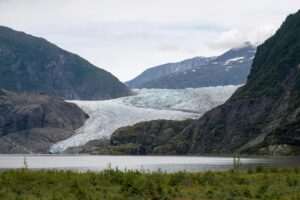
Featured photo by Josh Willink on Pexels.



No comments yet.