
Fall in Alaska: Anchorage Off-Season Local Favorites
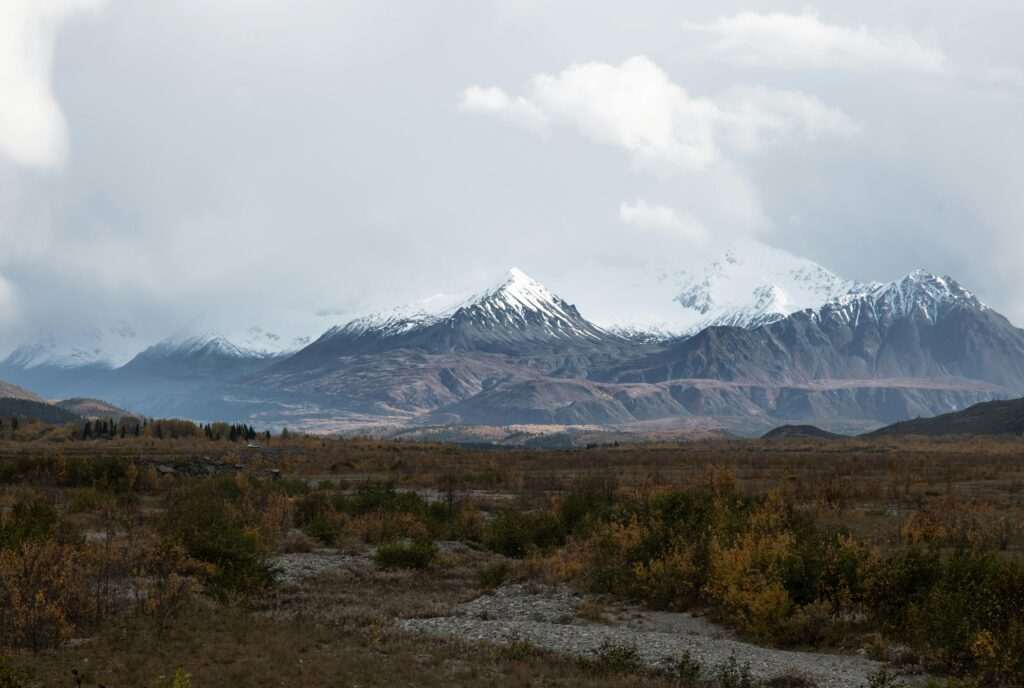
If you ask locals when Anchorage feels most like ours, a lot of us will point to that short stretch between summer crowds and real winter. September and early October are when the city exhales. The cruise rush fades, the parking lots calm down, the birch and cottonwood start turning gold, and you can still string together a full day outside without committing to a winter expedition. If you want a trip that feels a little more relaxed and a lot more local, fall is the sweet spot.
The shoulder season also gives you a better mix of experiences than visitors expect. You can spend the morning watching the color change at Alaska Botanical Garden, take an afternoon walk at Potter Marsh Bird Sanctuary, and still end the day looking north for the first dark-sky aurora opportunities of the season. That’s hard to beat.
Why fall is such a good time to visit Anchorage
Anchorage in fall is about timing, not scarcity. You still have trail access, restaurants are easier to get into, and the city starts leaning back into everyday rhythm. Visit Anchorage notes that northern lights season generally runs from September into April, so early fall is when many travelers get their first real chance to pair autumn color with darker evenings. Add in cooler hiking weather and fewer crowds at scenic pullouts, and you get a version of Anchorage that feels less rushed and more discoverable.
Local tip: build your day around light. Morning is best for calm wetlands, midday is ideal for trail hikes, and evening is when the sky starts earning your attention again. Fall days are shorter than midsummer, but that actually works in your favor when you want a packed itinerary without staying out until midnight.
Start with color and quiet at the city's easiest wins
For a low-stress first stop, head to Alaska Botanical Garden in east Anchorage. It’s one of the easiest places in town to see how fast the season turns. The paths are gentle, the setting feels tucked away from the city, and early fall is when the garden shifts from peak bloom to textured reds, yellows, and seed heads that feel distinctly Alaskan rather than manicured in a lower-48 way. If you want a quieter morning with coffee in hand and no pressure to rack up miles, this is the move.
From there, swing south to Potter Marsh Bird Sanctuary. The boardwalk makes it one of the most accessible wildlife stops around Anchorage, and fall migration can still bring a lot of activity before freeze-up. Even when bird traffic slows, the marsh has that wide-open Turnagain Arm mood that makes a short stop feel bigger than it is. On a calm day, the light out there gets especially good in September.
Hike while the trails are cool, crisp, and usually less crowded
Fall hiking in Anchorage is less about chasing the hardest objective and more about picking routes that give you color, views, and flexibility if the weather shifts. Flattop Mountain Trail is still the classic answer if you want a quick local benchmark. On a clear day, the city, inlet, and Chugach front range all show off at once. Go early, dress in layers, and don’t underestimate how quickly wind and slick rock can change the feel of the hike once you get higher up.
If you want something a little more relaxed and more family-friendly, Eagle River Nature Center is one of the best shoulder-season calls near town. The valley color holds beautifully there, the walking options are approachable, and it feels like a reset button after time in the city. Alaska State Parks keeps this area active well into the fall, and it is one of those places where even a shorter walk feels like a full outing.
For visitors who want the broadest possible outdoor menu, keep Chugach State Park in the mix. Fall is when the park starts showing off its texture: berry-red ground cover, yellowing brush, fresh snow dusting on higher peaks, and that sharp, dry air that makes everything look closer than it is. This is also the season to be honest about conditions. Mud, frost, and early snow can all show up fast, so the smart play is choosing a route you can scale up or down.
Berry picking, scenic drives, and small detours that feel local
One reason fall works so well here is that the best days are often built from smaller stops instead of one headline attraction. Anchorage locals love this season for roadside color, short walks, and spontaneous detours. If berry picking is part of your Alaska fantasy, this is the time to ask a local where conditions have been good and to follow posted land-use rules. A lot of the pleasure is in the wandering anyway: pull over for mountain views, walk a boardwalk, grab lunch, then keep going.
The scenic-drive version of that day is especially good along Turnagain Arm and up toward Eagle River. You’re not locked into a rigid schedule, and the shoulder season gives you room to improvise without fighting every other traveler for the same pullout or trailhead. Fall visitors who leave space in the plan usually end up with the better stories.
Stay out after dark for your first aurora shot
By late September, Anchorage starts giving you something summer can’t: legitimate darkness. That does not guarantee northern lights every night, but it does put aurora viewing back on the table. If you want help with timing, clouds, and darker viewing areas, booking with Aurora Tours Anchorage – Greatland Adventures Northern Lights can take a lot of the guesswork out of your evening. This is especially useful if you are visiting without a car or do not want your first aurora attempt to turn into a late-night scouting mission.
Keep expectations realistic and your schedule flexible. The best fall aurora nights usually come when skies clear after a cooler day, and the win is often being ready rather than forcing it. Even on nights when the lights stay faint, you still get that distinctly Alaska feeling of stepping outside into real darkness with mountain silhouettes all around you.
What to pack and how to plan around September-October weather
Fall in Anchorage rewards people who dress for change, not for a single forecast. Bring waterproof layers, shoes that can handle mud or frost, a hat, and light gloves. If your plan includes both wetlands and ridgeline viewpoints, assume you will feel two different seasons in one day. This is also the time of year to start early. Trail conditions are usually best before the afternoon chill sets in, and wildlife-viewing spots tend to feel more active in the morning.
If you are building a two-day fall itinerary, think in clusters: one city-and-wetlands day, one mountain-and-aurora day. That keeps your driving reasonable and gives you room to pivot if weather closes in on the higher terrain.
The local verdict on Anchorage in fall
Summer gets the headlines, but fall is when Anchorage starts to feel personal. You notice more, rush less, and get a better sense of how locals actually use the city. Come for the color, stay for the breathing room, and leave time for the in-between moments. That’s where the local surprises usually show up.
Featured photo by John De Leon on Pexels.



No comments yet.