
Denali National Park 2026: Complete Visitor Guide from Anchorage
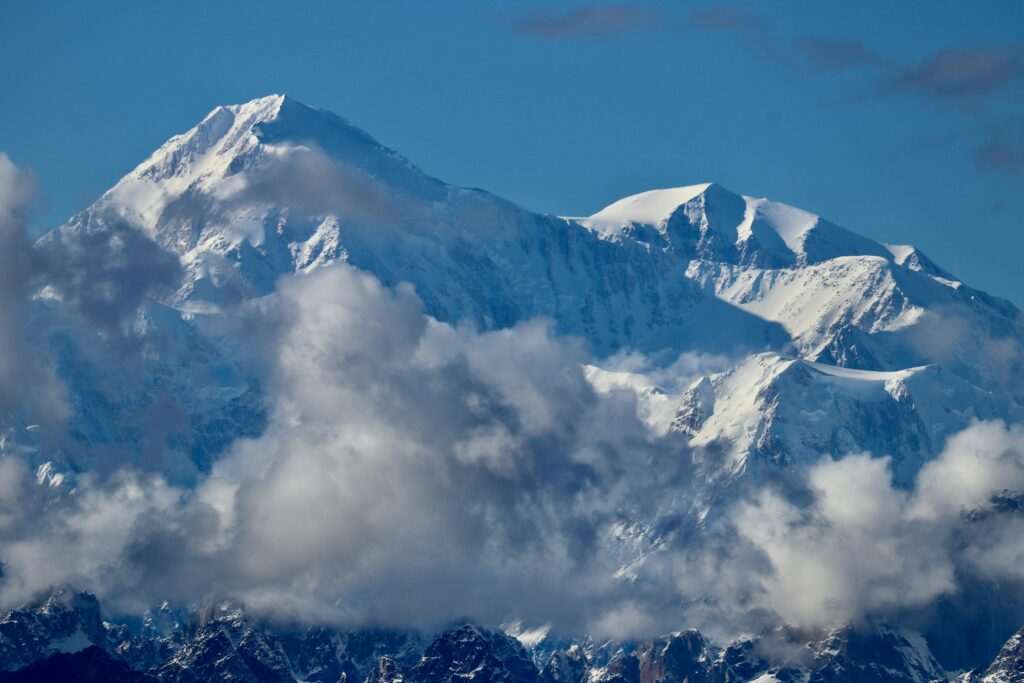
There are national parks, and then there’s Denali. Sprawling across 6 million acres of wilderness in interior Alaska, Denali National Park protects the highest peak in North America — Denali at 20,310 feet — along with one of the most intact large-mammal ecosystems on earth. Grizzly bears wander freely across tundra that stretches to the horizon. Wolves hunt caribou in valleys you can see from the single park road but can’t reach by foot without planning a serious expedition. For visitors based in Anchorage, Denali sits approximately 240 miles north — a 4 to 5 hour drive, or 8 hours by rail — and it’s worth every minute of the journey to get there.
Getting There from Anchorage
The primary route is the George Parks Highway north from Anchorage. The drive passes through Wasilla and Palmer in the Matanuska-Susitna Valley before the road opens into the broader interior and the Alaska Range comes into view. The Parks Highway is well-maintained, traffic is light compared to most American highways, and the drive itself is scenic — particularly the Talkeetna area, where the Alaska Range dominates the skyline on clear days.
The Alaska Railroad offers an alternative that eliminates the driving entirely. The Denali Star departs Anchorage each morning in summer, reaches Denali National Park roughly 8 hours later, and threads terrain that has no roads — entire river valleys and mountain flanks visible only from the train window. Gold Star dome cars with panoramic windows curve into the ceiling and an open rear platform makes the journey a destination in itself. Standard round-trip fares from Anchorage to Denali run approximately $209–$269 per adult; Gold Star service is significantly more. Book well in advance — summer trains sell out.
If you’re driving north, the Mat-Su Valley offers a worthwhile detour before committing to the full Parks Highway run. Hatcher Pass and Independence Mine State Historical Park, about 90 minutes north of Anchorage, delivers genuine alpine tundra and gold rush history — the kind of stop that makes the drive feel like an itinerary rather than a commute.
The Park Road: What You Can Drive vs. What Requires a Bus
This is the most important thing to understand before you arrive: Denali’s single 92-mile park road isn’t open to private vehicles beyond Mile 15 at Savage River. Beyond that checkpoint, all travel into the park requires a park bus — either a transit bus (advance reservation required through recreation.gov, approximately $38 per adult round trip) or a guided tour bus at higher cost. The restriction exists to protect wildlife and maintain the wilderness character that makes Denali worth visiting. It also means your experience of the park’s interior depends entirely on getting on a bus.
The visitor center area at Mile 1.5 and the Savage River check-in at Mile 15 are both accessible by personal vehicle and give you a sense of the terrain from a distance. But the real park — the grizzlies on open tundra, the caribou herds, the Eielson viewpoint at Mile 66 — starts at Mile 15 and only gets better going north.
Bus Tours into the Backcountry
The Tundra Wilderness Tour is the standard full-day introduction to the park interior. Running approximately 8 hours and reaching Mile 53 or beyond depending on road conditions, it’s the most popular guided option and the one that gives visitors the best wildlife and landscape access in a single day. Fares run approximately $165 per adult. Wildlife encounters aren’t guaranteed, but grizzly bears, moose, caribou, and Dall sheep are regular sightings in good visibility conditions. Narrated commentary throughout the tour provides ecological and historical context that transforms what you’re seeing.
The Kantishna Experience is the full-day option that reaches Mile 92 at the road’s end — the historic Kantishna mining community deep inside the park. The journey takes most of the day each direction and provides the deepest penetration into Denali’s interior available by road. Reserve both options well in advance; summer dates fill months ahead.
Wildlife: What You’re Likely to See
Denali’s wildlife density and diversity are exceptional by any standard. The park supports all five of Alaska’s large mammal species — grizzly bears, black bears, moose, caribou, and Dall sheep — along with wolves, foxes, and over 160 bird species. Grizzlies are the most frequently spotted from the bus road; they forage openly on tundra slopes, and sightings of mothers with cubs aren’t unusual in summer. Caribou herds move across the tundra throughout the season, and bus passengers often encounter them at close range alongside the road.
Dall sheep — bright white, sure-footed, and often visible on steep rocky slopes — are a regular sighting on the cliffs above Mile 30–60. Wolves are present but rarely seen; a wolf sighting is genuinely exceptional and worth noting in any trip report. Foxes are common near developed areas and often approach buses with characteristic Alaska boldness. Moose move through the forests and river bottoms near the park entrance.
Eielson Visitor Center: Mile 66
On a clear day, Mile 66 at the Eielson Visitor Center provides the closest road-accessible view of Denali’s summit. The peak rises above the Alaska Range at relatively close range here — an overwhelming presence when the clouds part. Ranger staff are on site; interpretive exhibits cover the geology and ecology of the Alaska Range and the Kahiltna Glacier visible below. When you’re planning a bus trip into the park, booking a tour that reaches Eielson is worth the extra time and cost over shorter options.
Denali and the Clouds
The mountain is shrouded in clouds or obscured by atmospheric haze approximately 70% of summer days. This is worth understanding before you arrive. A day at Denali without seeing the summit is still a spectacular day in one of the world’s great wilderness parks — the tundra, the wildlife, and the scale of the landscape don’t disappear when the peak hides. But if seeing Denali itself is the primary goal, plan for multiple days in the park to maximize the odds. Early morning tends to offer the best visibility; afternoons often bring cloud buildup over the Alaska Range.
Hiking Near the Entrance
Several frontcountry trails are accessible from the visitor center area without a bus reservation. The Horseshoe Lake Trail (1.5 miles, easy) loops to a scenic lake through spruce and birch forest. The Triple Lakes Trail (9.4 miles, moderate) climbs to three connected lakes with Alaska Range views. The Mount Healy Overlook Trail (5.4 miles, strenuous) is the most rewarding near-entrance hike, climbing 1,700 feet to a ridge with panoramic views of the entrance valley and, on clear days, the distant Alaska Range.
Backcountry hiking beyond the frontcountry trail network requires permits (limited and distributed by lottery at the backcountry desk) and a bus ride to your starting point. The park’s backcountry has no marked trails — navigation is by topographic map. It’s exceptional wilderness for experienced parties with the planning and skills to use it.
Denali Village: Where to Stay and Eat
Just outside the park entrance at Mile 238 on the Parks Highway, Denali Village is a cluster of hotels, restaurants, and tour operators that serves as the logistical hub for most visitors. Accommodation ranges from basic lodges to higher-end wilderness resorts. Book lodging months in advance for summer — the entrance area fills quickly. Restaurants in the village cover the practical meal bases; the real experience is in the park itself, not the dining scene outside it. A brief evening walk from most lodging areas gives views of the Alaska Range on clear days.
Flightseeing Over Denali
For visitors who want a different perspective on the mountain, Denali flightseeing tours depart from Talkeetna — the climbing base camp town on the Parks Highway about 100 miles south of the park entrance — and offer glacier landings and close-range summit views that aren’t possible from the road. Some Anchorage operators also run flightseeing packages from the city. The Lake Hood Seaplane Base is the departure point for several Anchorage-based flightseeing outfitters who fly to Denali and offer glacier landings as an add-on. Flightseeing adds significant cost but delivers a view of the Alaska Range and the summit massif that’s simply not achievable from the ground.
Best Time to Visit
The park road is open and bus tours operate from late May through mid-September. June offers the longest daylight — up to 21 hours at this latitude — green tundra, and active wildlife with cubs and calves still young. Late August and early September bring the best fall color: tundra that turns brilliant shades of red, orange, and gold, along with increased grizzly feeding activity before hibernation. September shoulder season means fewer visitors and a more intimate experience, though some services start closing by mid-September.
What to Bring
- Layers for every condition: Interior Alaska weather is unpredictable at any point in summer. Even in July, temperatures can drop to the low 40s with wind at elevation. Pack a waterproof shell, a mid-layer, and warm base layers regardless of the Anchorage forecast — conditions at elevation inside the park run colder.
- Binoculars: Wildlife on the tundra is often at distance from the bus. Binoculars bridge the gap and turn a distant brown shape into a grizzly bear. An 8×42 or 10×42 pair is the standard field choice for this kind of wildlife viewing.
- Snacks and water: Full-day bus tours run 8+ hours. Pack more food than you think you’ll need. Water isn’t reliably available in the park interior; bring at least a liter per person for a full-day tour.
- Camera with zoom: Wildlife encounters are unpredictable in distance. A telephoto lens or camera with significant reach works far better than a standard phone shot of a caribou 150 meters away.
- Bus reservation in hand: Book before you leave home. Summer buses sell out, especially on weekends and clear-weather days when demand spikes. Arriving at Denali without a bus reservation means you’re limited to the first 15 miles and the visitor center.
No comments yet.