
Denali National Park 2026 — Day Visitor Guide from Anchorage (Bus, Road Lottery & What to Expect)
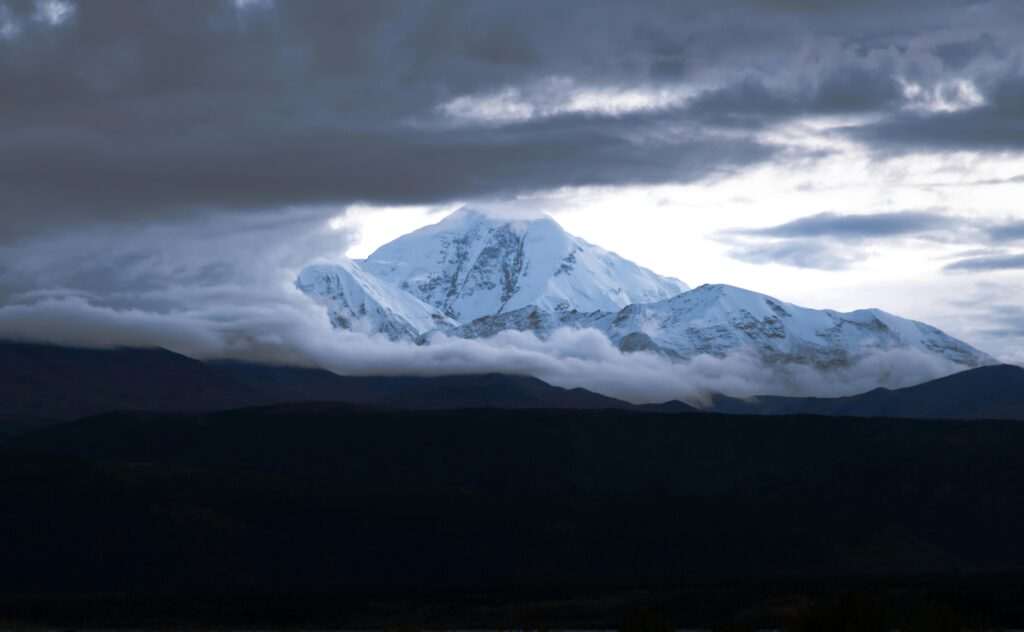
Denali National Park is 240 miles north of Anchorage, and making the trip from the city to the park in a single day is entirely possible — if you start early, have bus tickets booked, and accept that Denali itself, the 20,310-foot peak that is the whole point, may or may not be visible when you arrive. The park protects 6 million acres of Alaska Range wilderness, and its road system is deliberately limited: only the first 15 miles are open to private vehicles, and beyond that, everything moves by park bus. This structure is one of the most consequential design decisions in the U.S. national park system. It keeps the park genuinely wild, turns bus rides into wildlife safaris, and requires visitors to give up some control in exchange for an experience that cannot be replicated by driving a highway. This guide covers how to get there from Anchorage, how the bus system works, what to do in the front country, and what to realistically expect.
Getting There from Anchorage
Driving the Parks Highway is the standard approach. The George Parks Highway (Alaska Route 3) runs directly from Anchorage to the park entrance, 240 miles north. The drive takes 4 to 4.5 hours without stops; the highway passes through Wasilla and Willow, then opens into increasingly dramatic scenery as it climbs toward the Alaska Range. Denali itself becomes visible from the highway on clear days in the final 50 miles of the approach — the peak rising implausibly above the surrounding terrain. Depart Anchorage no later than 6 AM for a day trip that includes a full bus ride into the interior. Construction zones and RV traffic on the Parks Highway in summer can add 30-60 minutes unpredictably — build buffer time. Fuel up in Anchorage or the Mat-Su Valley; gas near the park entrance is significantly more expensive.
The Alaska Railroad Denali Star is the scenic alternative — a full-day train journey that departs Anchorage in the morning and arrives at Denali station in the afternoon, returning the next day. The train runs late May through mid-September. The journey through the Susitna Valley and along the Nenana River gorge is one of the most dramatic rail rides in North America; the Railroad’s glass-domed cars provide unobstructed views in all directions. The Denali Star is not practical for a day trip (the return arrives back in Anchorage in the evening of the second day) but is an excellent one-way or round-trip option for visitors with more than one night to commit. Verify current schedules and fares at alaskarailroad.com, as seasonal service changes annually.
The Park Road System
Denali’s single park road runs 92 miles from the entrance to the Kantishna area in the park’s interior. The road is unpaved beyond the first few miles and travels through open tundra, river bars, and alpine terrain that provides some of the best wildlife viewing accessible by any road in Alaska.
Private vehicles may drive only to the Savage River Check Station at Mile 15. This is not a minor restriction — 77 miles of the park’s most productive wildlife habitat and most dramatic scenery lies beyond Savage River, and it is accessible only by park bus. The rule has been in place since 1972 and has been consistently credited with maintaining the park’s exceptionally high wildlife density relative to other large parks. The tradeoff is worth understanding before you arrive: your access to the interior is entirely dependent on the bus system, and bus trips require advance booking.
The Bus System
Visitor Transport Buses (also called transit buses) are the standard access tool. These are non-narrated hop-on/hop-off buses that run to various points along the road — Toklat River (Mile 53), Eielson Visitor Center (Mile 66), and the Kantishna area (Mile 92). Passengers may request stops at any point to view wildlife or disembark for hiking; you can flag down a later bus to reboard. There is no food service; bring your own lunch, snacks, and water. The round trip to Eielson, the most popular full-day destination for independent visitors, takes approximately 8-9 hours total. Toklat is a shorter option at approximately 5-6 hours round trip. Bus tickets are sold online at recreation.gov and should be booked weeks to months in advance for summer travel — demand significantly exceeds supply for July and August departures.
Narrated tours, including the Kantishna Experience, are longer guided bus trips run by the park’s concessionaire. These provide naturalist commentary throughout the journey and are the best option for first-time visitors who want context for what they’re seeing. The Kantishna Experience reaches the far end of the road and runs approximately 12-13 hours. Tundra Wilderness Tour options cover varying distances with narration. Prices run $60-150+ per person depending on distance and tour type.
The Road Lottery runs for four days each September — typically the Friday through Monday of the third week of September — during which private vehicles may drive the full 92-mile road. Applications are submitted in spring (the window typically opens in May) through recreation.gov at a nominal fee per application; the lottery is competitive, drawing tens of thousands of applicants for a few hundred daily permits. If you plan to be in Alaska in September and want the most intimate Denali road experience available to a non-park-employee, apply. The fall timing brings golden tundra color, post-rut caribou and moose activity, and the best odds of clear mountain visibility of any time of year.
Wildlife Along the Road
Denali harbors approximately 39 mammal species and is one of the best places in Alaska to observe large predators and prey animals in open terrain. Grizzly bears are the premier wildlife sighting along the road — the park has an estimated 300-350 grizzlies, and the open tundra habitat means you often see them digging for ground squirrels or moving across ridgelines at significant distances in full view. Caribou from the Denali Herd move through the park and are often seen near the road in summer and fall. Dall sheep use the rocky slopes above the road in the Polychrome and Highway Pass areas. Wolves are present but less predictable; sightings are always a bonus. Moose are seen in riparian areas. Arctic ground squirrels are ubiquitous and often provide the first wildlife sighting of the day. Ptarmigan — both willow and rock — are found in the alpine areas along the road. Lynx are present but rarely seen. Golden eagle nest on the cliffs above several road sections and are frequently spotted soaring above the tundra in summer. The diversity and density of visible wildlife per road mile in Denali exceeds almost any other park in the lower 48 or Alaska, and is the primary reason many visitors regard a full-day bus trip as the single best wildlife experience available to an Anchorage-based visitor.
Wildlife sightings are not guaranteed but are statistically reliable for full-day bus trips in June and July. The open tundra visibility is the key factor: unlike forested parks where large mammals can be 50 feet away and invisible, Denali’s terrain lets you scan miles of hillside. Binoculars are not optional equipment — bring 8×42 or 10×42 and use them continuously from the bus window.
Denali’s Visibility
The summit of Denali is visible from the park road approximately 30% of the time due to the mountain’s ability to generate its own weather systems. Cloud caps form on the summit even on otherwise clear days. The mountain is most often clear in the early morning before convective cloud buildup; if you are on a bus that departs at 6 or 7 AM into clear skies, your odds are better than afternoon travelers. Having a full, unobstructed view of the 20,310-foot summit is genuinely special — the scale of the peak above the surrounding landscape is unlike any other North American mountain view because Denali rises approximately 18,000 feet above the Kantishna basin floor, a vertical relief greater than Everest above its own base. When it is out, it is unmistakable and arresting. When it is not, the park is still worth the trip. Many repeat visitors to Denali have never seen the summit clearly and return specifically hoping for a clear day — the pursuit itself becomes part of the Alaska experience.
Front Country: The First 15 Miles
The front country — the portion accessible by private vehicle — has its own worthwhile destinations that can be visited without bus reservations.
Denali Visitor Center at Mile 1 is the starting point for all park orientation. It has exhibits on Denali’s ecology, geology, and mountaineering history, plus a schedule of ranger talks and guided walks that are among the best free interpretive programs in the park system. Stop here first regardless of your plans.
Horseshoe Lake Trail is an easy 1.5-mile round-trip walk through spruce forest to a lake near the Nenana River. It is accessible from the Visitor Center and appropriate for all fitness levels, including children. Beaver activity at the lake is common.
Savage River Loop is a 2-mile easy loop at Mile 15 — the end of the private vehicle road — that crosses the Savage River and traverses open tundra with views of the Alaska Range. It is the most scenic front-country walk and provides the kind of open horizon that defines the park’s character.
Mount Healy Overlook Trail is the most demanding front-country hike: 5.4 miles round trip with 1,700 feet of elevation gain to a ridge above the park entrance with panoramic Alaska Range views. Allow 3-4 hours. The effort is repaid with the best unobstructed mountain vista available without a bus ticket.
Day Trip Logistics
For a full day trip from Anchorage: depart by 5:30-6 AM, arrive at the park by 10-10:30 AM, take a bus to Toklat or Eielson (book well in advance at recreation.gov), return to the bus depot by 6-7 PM, drive back to Anchorage arriving by 10:30-11 PM. This is a genuine 16-18 hour day and is tiring but feasible. Bring: packed lunch and snacks (no food service on transit buses), rain gear, insulating layers (the park can be 40°F on summer afternoons at elevation), binoculars, and a fully charged camera. Bear spray is recommended for any off-trail hiking.
Guided day tour operators such as Adventures by True North offer round-trip transportation from Anchorage with park access included. For aerial perspectives on the Alaska Range, flightseeing tours from Rust’s Flying Service provide Denali flyovers on clear days.
Overnight Options Near the Entrance
Several large lodges operate in the Glitter Gulch corridor just outside the park entrance on the Parks Highway. Denali Princess Wilderness Lodge and the McKinley Chalet Resort are the two largest, both offering full hotel amenities with organized activities, restaurants, and shuttle service to the park entrance. They book months in advance for peak season. The park itself has six campgrounds ranging from the developed Riley Creek campground near the entrance (with flush toilets and a dump station) to backcountry-adjacent sites at Wonder Lake (Mile 85, accessible by bus only). Riley Creek and Savage River campgrounds are the most accessible for car campers; book at recreation.gov as soon as your dates are set. Tent campers should note that the park is bear country — food storage in bear boxes is required at all campgrounds, and bear spray should be accessible during any hiking. The campgrounds fill completely for July; May and early September bookings are considerably more available.
Best Time to Visit
Late May through mid-September is the park season. June and July are peak months for wildlife activity, wildflowers, and road access depth. August brings blueberries on the tundra and the first hints of fall color on higher ground. Late August and early September sees caribou in rut, spectacular fall color across the entire park landscape, and — statistically — better Denali summit visibility than summer. The Road Lottery in September is the capstone experience for those who can arrange it. The park closes to bus service in mid-September; the entrance road remains accessible for front-country hiking through October.
Denali will show you the mountain or it won’t. Either way, the bus ride through the tundra, the grizzly on the ridge, the silence at the river bar — these are not consolation prizes. They are what the park actually is.

No comments yet.