
Clam Gulch Alaska 2026: Razor Clamming on the Kenai Peninsula
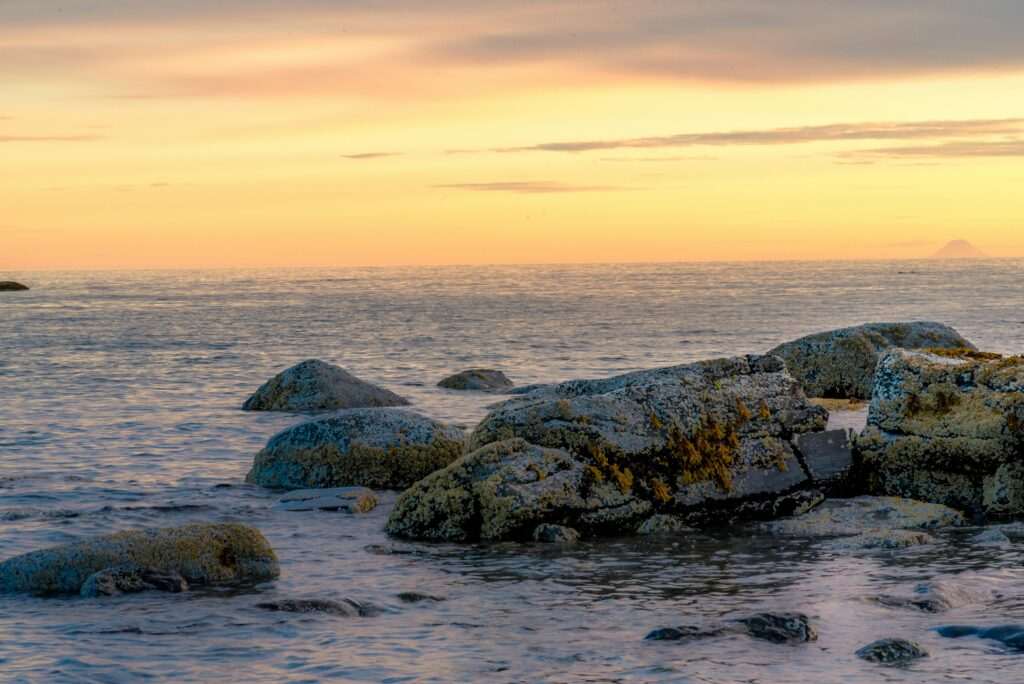
Razor clamming has been a summer ritual for Alaskans for generations, and Clam Gulch is where most of them go to do it. Located about 150 miles south of Anchorage on the west coast of the Kenai Peninsula, the Clam Gulch State Recreation Area sits on a stretch of Cook Inlet beach that’s famous for its size, its accessibility, and its productivity. On a good minus tide in late spring or early fall, you can watch dozens of people fanned across the sand, each one chasing a dimple.
nn
If you haven’t done this before, you’re in for one of the more satisfying experiences Alaska offers. Razor clamming sounds simple — and mostly it’s — but it’s fast and physical and you’ll come home tired, muddy, and carrying a bucket that smells strongly of the sea.
nn
What Razor Clams Are
n
Razor clams are large, fast-moving bivalves that live in the sandy tidal flats of Cook Inlet. They’re long and thin — up to a foot in some cases — with a fragile shell and an impressive ability to dig straight down when disturbed. That’s the central challenge of clamming: once you find one, you have maybe ten seconds before it burrows out of reach. Alaskan razor clams are also exceptionally good eating, with a sweet, mild flavor that lends itself to chowder, fried clam strips, or a simple pan sear.
nn
How the Dig Works
n
You find a clam by its “show” — a small dimple or hole in the wet sand where the clam is breathing. To bring the clam up, you use either a clam gun (a hollow tube that you plunge over the show and then pull up, extracting a core of sand with the clam inside) or a shovel (you dig toward the clam as it retreats downward). The clam gun is faster and gentler on the clam; experienced diggers use them almost exclusively.
nn
Once you’ve got the clam in hand, measure it with your clam gauge — undersized clams go back. Most of the legal-size razor clams at Clam Gulch run six inches or more. The daily bag limit is 60 clams per person, which is a lot. Most people don’t get close to that on their first time out.
nn
Gear You’ll Need
n
- n
- Alaska Sport Fishing License — required; covers razor clams
- Clam gun or shovel
- Bucket
- Rubber boots or waders — the sand is wet, the tide is cold, and regular footwear won’t survive
- Clam gauge (minimum legal size: 3 inches from tip of shell to first lateral)
- Tide chart app — search “Clam Gulch tide chart” or use the NOAA tides tool for nearby Drift River
n
n
n
n
n
n
n
The Alaska Department of Fish and Game publishes current regulations at adfg.alaska.gov, including bag limits, gauge requirements, and any area closures. Check before your trip — limits and open areas do change.
nn
Timing: Tides Are Everything
n
Razor clams live below the waterline. They’re only exposed during low tides — specifically, tides of +2.0 feet or lower. Minus tides (negative numbers on the tide chart) expose the most productive ground, the areas furthest down the beach that are normally underwater. These prime tides happen a few times a month and tend to cluster in spring and fall, which is why April through May and September through October are the peak clamming seasons.
nn
The ideal setup is a low tide that hits around midday, giving you plenty of light and a comfortable window on either side to dig. When a minus tide falls in the dark or in mid-January, you can still go — plenty of locals do — but for a first trip, pick a warm-weather minus tide and you’ll have a much better experience.
nn
Getting There
n
Clam Gulch is roughly 2.5 to 3 hours from Anchorage via the Seward Highway south and then the Sterling Highway west along Cook Inlet. The Seward Highway Scenic Drive out of Anchorage is one of Alaska’s most dramatic roads — Turnagain Arm runs alongside you for the first 50 miles, with bore tides, beluga whale habitat, and Dall sheep visible on the cliffs above. Leave early and plan for stops.
nn
At the Clam Gulch State Recreation Area, there’s a small parking area and a short trail down to the beach. Day-use fees apply; check Alaska State Parks for current rates. On a peak clamming tide, the lot fills fast — arrive at least an hour before the low.
nn
Building a Full Kenai Peninsula Day
n
Because Clam Gulch sits about halfway down the Kenai Peninsula, it works naturally as part of a longer day. The Sterling Highway continues south through Soldotna and on to Homer, where Alan’s Water Taxi and Kachemak Bay Adventures runs trips across the bay to Kachemak Bay State Park — a worthwhile add-on for tide pools, wildlife, and remote hiking. Homer itself is worth an evening if you’re inclined to make it an overnight.
nn
Heading out of Anchorage, the Alaska Wildlife Conservation Center at Portage makes an excellent first stop — a 90-acre sanctuary with bear, moose, elk, musk ox, and bison in natural enclosures, right on the Seward Highway.
nn
Cleaning and Cooking
n
Cleaning razor clams takes a little practice but comes quickly. After a brief blanch in boiling water, the shells open and the meat comes free. Remove the dark digestive sack, rinse, and you’re ready to cook. Razor clam chowder is the classic preparation — creamy, potato-thick, and unlike anything from a can. Fried in breadcrumbs and served with tartar sauce, they’re also exceptional.
nn
Frequently Asked Questions
nn
Do I need a special clam license?
n
No separate clam license is required. Your Alaska Sport Fishing License covers razor clamming. Nonresidents can purchase one online at Alaska.gov or at sporting goods stores in Soldotna, Cooper Landing, or Anchorage.
nn
Can I use a shovel instead of a clam gun?
n
Yes. A shovel works but requires more speed and effort. Beginners often find the clam gun more forgiving. You can rent or buy one in Soldotna or Homer before heading to the beach.
nn
How cold is it at Clam Gulch?
n
Even in summer, Cook Inlet wind and water keep the beach cool — often in the mid-40s to low 50s Fahrenheit. Dress in layers, bring a hat, and assume you’ll be kneeling in wet sand for an extended stretch.
nn
Is Clam Gulch open year-round?
n
The beach is accessible year-round, but the most productive minus tides during daylight hours cluster in spring and fall. Summer low tides are often modest and fall during low-light hours in June and July, so the shoulder seasons are preferred by experienced clammers.
nn

No comments yet.