Chugach National Forest 2026: The Vast Wild Surrounding Anchorage & the Kenai
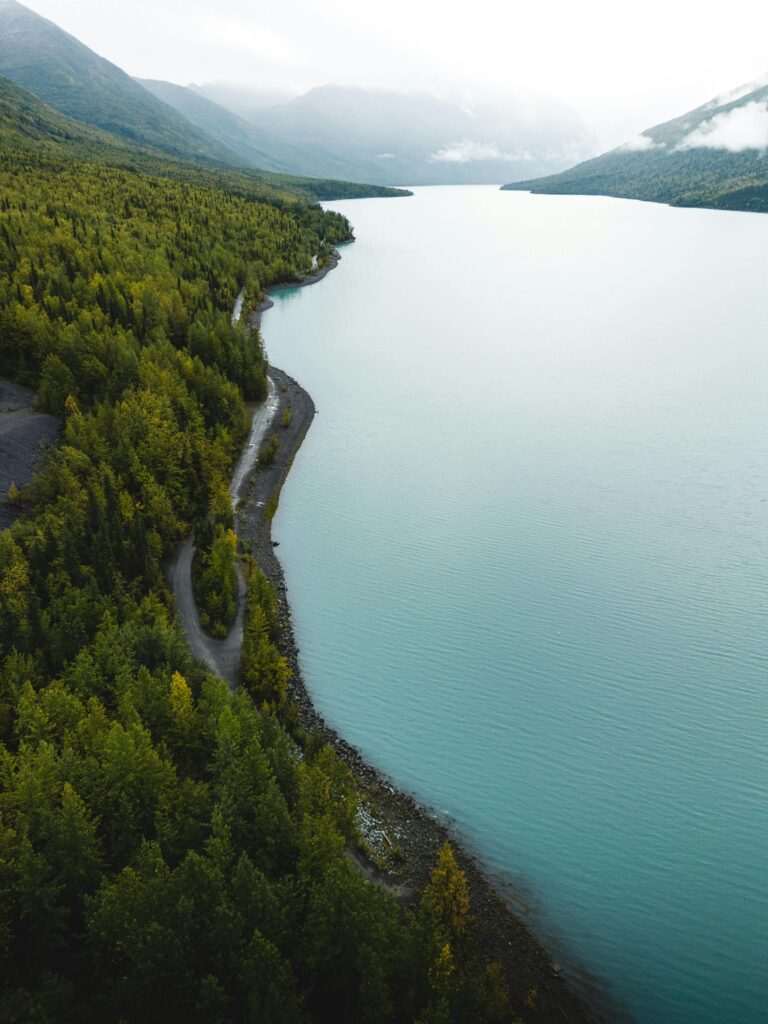
Most visitors to Anchorage don’t realize they’re already inside one of the largest national forests in the United States. Chugach National Forest wraps around the city’s eastern and southern edges, extends down the Kenai Peninsula, and reaches east to encompass Prince William Sound — nearly 6 million acres of glaciers, mountains, rivers, and coastline that makes New Hampshire look modest. It’s the second-largest national forest in the country, and it sits in the backyard of Alaska’s largest city. For anyone who wants wilderness without a long drive, this is an extraordinary resource.
Understanding the Forest: Three Access Areas
The Chugach National Forest is large enough that “visiting the forest” doesn’t quite capture what’s possible. Most visitors access it through one of three geographic corridors:
- The Anchorage front range: The Seward Highway corridor, Portage Valley, and the mountains visible from Anchorage’s eastern edge are all within the forest. Hiking, day trips to Portage Glacier, and access to the Turnagain Arm coastline are all within an hour of downtown.
- The Kenai Peninsula: The forest covers the eastern half of the peninsula, including the Kenai River and Russian River drainages, the Resurrection Pass trail system, and the Kenai Fjords approach through Seward. This is the primary fishing and multi-day backpacking zone.
- Prince William Sound: The forest encompasses the coastal area from Whittier east to Cordova and Valdez — tidewater glaciers, islands, and the most remote section of the forest, accessible primarily by boat or floatplane.
Scenic Drives Through the Forest
The most accessible way to experience Chugach National Forest is from the car window — and the roads through it are among the most spectacular in Alaska. Chugach National Forest Scenic Drives highlights the key corridors: the Seward Highway along Turnagain Arm, the Portage Valley road to the glacier, the Hope Highway spur to the historic gold rush town, and the Sterling Highway through the Kenai’s river country.
The Seward Highway Scenic Drive — officially designated one of America’s most beautiful roads — runs through the heart of the forest for much of its length, offering views of tidal flats, beluga whale feeding grounds, mountain sheep on talus slopes, and glacier-draped peaks within 30 minutes of Anchorage. If you’re driving south from Anchorage toward Seward or the Kenai Peninsula, you’re in the forest from the moment you leave the city.
Portage Valley: Glaciers Up Close
Portage Valley, accessed via a short spur road off the Seward Highway about 50 miles south of Anchorage, is one of the most visited sections of the forest and one of the most dramatic. Portage Glacier sits at the valley’s end — a tidewater glacier that has retreated significantly over the past century, but remains impressive and accessible. The Begich, Boggs Visitor Center at the end of the valley provides exhibits on glaciology and the history of ice in the region.
For those who want to get onto the glacier’s face rather than just view it from shore, the MV Ptarmigan tour boat makes regular sailings from the lake, approaching the glacier’s calving face for a perspective not available from land. Several day hiking trails in Portage Valley offer additional access to the surrounding terrain — the Byron Glacier Trail to a small side glacier is an easy walk that puts visitors on remnant ice.
The Kenai River and Russian River Fishing
The Kenai River, flowing through the forest on the Kenai Peninsula, is the most heavily fished river in Alaska and the source of some of the largest king salmon ever recorded. The Russian River confluence — where the Russian River meets the Kenai near Cooper Landing — is one of the most famous sockeye salmon fisheries in the world, drawing thousands of anglers during the July sockeye run for what locals call “combat fishing”: hundreds of waders standing shoulder to shoulder in the river, all casting simultaneously.
If combat fishing isn’t your style, Russian River Falls offers something more peaceful: a short hike to waterfalls where brown bears come to catch sockeye salmon in late summer, viewable from a safe distance on the trail. The bears are reliable, the setting is beautiful, and it’s free — one of the better wildlife experiences accessible from a paved road in Alaska.
Resurrection Pass Trail: The Forest’s Premier Multi-Day Route
The Resurrection Pass Trail is the signature backpacking route in Chugach National Forest — a 38-mile through-route from Hope on the Turnagain Arm side to Cooper Landing on the Sterling Highway, crossing the Kenai Mountains through alpine country with sweeping views, abundant wildlife, and a string of US Forest Service cabins spaced along the route. The trail is typically hiked as a 3–5 day trip, though it can be done shorter with a point-to-point shuttle arrangement.
The USFS cabins on Resurrection Pass are accessible by advance reservation through Recreation.gov and represent some of the best value in Alaska wilderness lodging — basic structures with wood stoves, bunks, and outhouse facilities in spectacular settings, bookable for a small nightly fee. The full Chugach National Forest cabin system includes over 40 cabins spread throughout the forest, some on lakes, some on the coast, some reachable only by floatplane or boat. For multi-day wilderness experiences without a tent, the cabin system is exceptional.
Chugach National Forest vs. Chugach State Park
This distinction confuses visitors reliably. They’re adjacent but different:
- Chugach State Park: State-managed (Alaska Department of Natural Resources), immediately east of Anchorage, encompasses the city’s mountain backdrop and most trails visible from town. Parking fees apply at most trailheads. Dogs allowed on most trails. Focus on recreational access close to the city.
- Chugach National Forest: Federally managed (US Forest Service), begins roughly where the State Park ends and extends south and east. Different rules, different cabin system (Recreation.gov, not state reservations), different permit structures in some areas. The two overlap in some administrative descriptions, which adds to the confusion — just verify which jurisdiction covers your specific destination when planning.
Camping in Chugach National Forest
The forest has dozens of established campgrounds ranging from drive-in sites near the Seward Highway to remote walk-in camps in the backcountry. Popular campgrounds like Bertha Creek, Granite Creek, and Bird Creek fill up quickly in summer; book through Recreation.gov as early as possible. Dispersed camping (off established campgrounds) is generally permitted throughout the forest with a few restrictions near river corridors during salmon season. The Forest Service ranger districts in Anchorage and Seward can provide current regulations and recommendations.
For the full scale of what Chugach National Forest encompasses, a good mental image: stand on Anchorage’s Coastal Trail and look east. Every mountain you can see is in the forest. Drive the Seward Highway for two hours. Still in the forest. Take the ferry from Whittier into Prince William Sound. Still in the forest. It’s one of Alaska’s most extraordinary public land resources — and almost all of it is free to access.
No comments yet.