
Camping Near Anchorage 2026 — Best Campgrounds & Backcountry Sites in Alaska
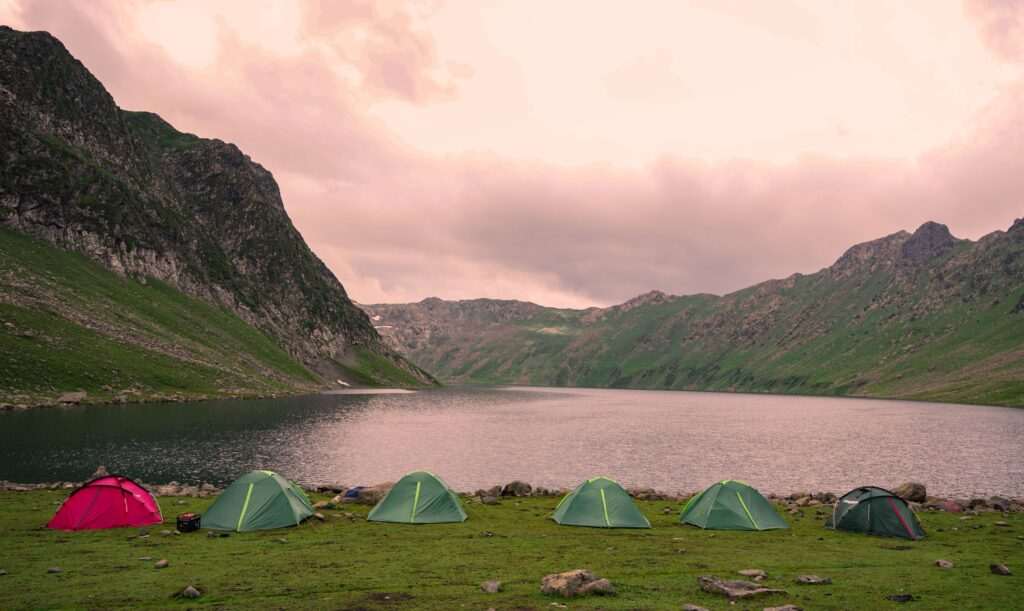
Anchorage sits within reach of some of the best camping in North America, and the geography works in your favor: drive 30 minutes in any direction from downtown and you’re at a campground with genuine Alaska wilderness outside your tent. The options range from developed sites with RV hookups and restrooms to backcountry dispersed camping in Chugach State Park where the only infrastructure is a bear box and whatever you carry in. Whether you’re road-tripping through Alaska, basing out of Anchorage for a week, or looking for a single night of camping near the city, here’s where to go and what to know in 2026.
Eklutna Lake Campground — Closest to Anchorage
Eklutna Lake Campground is the nearest developed campground to downtown Anchorage — about 30 miles northeast, roughly a 35-minute drive. The lake is glacially-fed and sits in a deep valley in Chugach State Park, surrounded by mountains on three sides with the Eklutna Glacier visible at the valley head on clear days. The campground has tent sites, a few sites with electrical hookups for RVs, vault toilets, and fire rings with bear boxes. It’s a state park campground — no recreation.gov required for most sites, but check the Alaska State Parks reservation system before you go in peak summer.
The lake itself is one of the most scenic camping backdrops near Anchorage. Kayak and canoe rentals are available seasonally at the campground, and the lakeshore is excellent for an evening walk. The Eklutna Lakeside Trail runs 13 miles along the north shore to the glacier — accessible by mountain bike or on foot. Bear activity is high in the valley, particularly in late summer when berry season starts; treat the campground’s food storage requirements as mandatory, not optional.
Bird Creek Campground — Ocean Views on the Seward Highway
Bird Creek Campground sits on the east shore of Turnagain Arm, about 25 miles south of Anchorage on the Seward Highway. The sites are close to the water — some within view of the Arm — and the campground is one of the few places in Alaska where you can watch the tidal bore while sitting at your campsite. The bore comes through on a predictable schedule driven by the tide chart; the campground host usually knows the timing, and it’s worth arranging your evening around it.
Bird Creek is also a known salmon fishing location in late summer, when pink and silver salmon run in the creek adjacent to the campground. Non-anglers still find the creek worth walking at that time of year — the salmon run is visible from the footbridge and draws bald eagles in numbers. Sites here fill fast on summer weekends, particularly in July and August. Book through the Alaska State Parks reservation system as far ahead as you can manage.
Eagle River Campground — Valley Camping Near the Nature Center
Eagle River Campground is set in the Eagle River valley north of Anchorage, about 12 miles from downtown off the Glenn Highway. It’s a developed campground with tent sites, RV sites with electrical hookups, flush toilets in summer, and immediate access to the Chugach trail network. The Eagle River Nature Center is a few miles further up the valley road and offers ranger programs, natural history exhibits, and the trailhead for the Albert Loop Trail — worth visiting even if you’re just using the campground as a base.
The Eagle River valley is heavily forested and genuinely beautiful, with the river running through it and the mountains rising steeply on both sides. Brown bear activity is consistently high in this valley, particularly near the river and in the forested campground sections. Keep a clean camp, use bear boxes for all food and scented items, and carry bear spray on any walk outside the campground perimeter.
Chugach State Park Backcountry — Dispersed Camping
For people who want to go further than a developed campground, Chugach State Park allows dispersed backcountry camping throughout most of the park’s nearly half-million acres. There’s no permit system for most backcountry camping in Chugach — you choose your site, practice leave-no-trace principles, and follow the park’s food storage requirements, which are mandatory and enforced. Bear canisters or bear-resistant bags are required for overnight stays. No campfires are permitted above treeline; below treeline, established fire rings at designated sites may be used.
Popular overnight destinations accessible from Anchorage trailheads include the Williwaw Lakes basin (accessible from Glen Alps), the South Fork Eagle River valley, and the Crow Pass area via the Historic Iditarod Trail from Girdwood. All of these require a full day’s hiking to reach — Chugach backcountry camping is for people who are prepared for remote conditions, not for a casual car-camping extension.
Bear Safety: Non-Negotiable in Any Anchorage Campground
Every campground near Anchorage sits in active bear country. Brown bears and black bears use all of the corridors described above, and both species are food-motivated — a sloppy camp is a bear attractant. The rules are the same everywhere and they’re not suggestions:
Store all food, trash, coolers, and scented items — including soap, sunscreen, and toothpaste — in the provided bear boxes or bear-resistant containers when not in active use. Never leave food in a tent or an unlocked vehicle. Don’t cook or eat in your tent. Keep the camp clean and pack out everything you carry in.
Carry bear spray on any walk outside the campground and know how to use it — the safety clip off, thumb on the trigger, ready to deploy in a charge situation. Bear spray is available at Alaska Wildlife Conservation Center and at outdoor retailers in Anchorage before you head to any campsite. The campground hosts at developed sites can give you current bear activity reports for their specific location.
Reservations, Fees, and Recreation.gov
Alaska State Parks campgrounds (Eklutna Lake, Bird Creek, Eagle River) book through the Alaska State Parks reservation system — not recreation.gov, which handles federal sites. Alaska State Parks reservations open in mid-winter for the following summer and popular sites book out weeks to months in advance. If you arrive without a reservation on a peak summer weekend, expect to find developed campgrounds full by Friday evening.
Nightly fees at Alaska State Parks developed campgrounds run roughly $15–$30 depending on site type and hookup availability. Day-use parking fees are separate where applicable. A small number of walk-in-only sites are held for same-day registration at most campgrounds — arrive early for those.
Best Time to Camp Near Anchorage
June through August is the primary camping season. June offers the extraordinary experience of camping under the midnight sun — it doesn’t get dark in Anchorage in late June, which means evenings at camp feel genuinely different from anywhere else in the United States. Some people find the extended light disorienting for sleep; bring an eye mask if you’re sensitive to it.
July is peak season for weather and campground occupancy. August is slightly quieter at campgrounds and brings the first berry season and early salmon runs, with the light noticeably shorter by the end of the month. September is shoulder season — campgrounds are less crowded, the birch trees turn yellow in the valleys, and conditions can be excellent for experienced campers comfortable with cooler nights and variable weather.
What’s the closest campground to downtown Anchorage?
Eklutna Lake Campground in Chugach State Park is the closest developed campground — about 30 miles northeast of downtown, roughly a 35-minute drive. It has tent sites, limited RV electrical hookups, vault toilets, and bear boxes, set on a glacially-fed lake with mountain views. Eagle River Campground is closer in miles (about 12 miles from downtown) but requires going north on the Glenn Highway rather than directly accessing the Chugach front country. Both are significantly closer to the city than any campground on the Kenai Peninsula.
Do you need reservations for Anchorage area campgrounds?
For developed campgrounds in summer (June–August), reservations are strongly recommended and often necessary. Alaska State Parks campgrounds book through the Alaska State Parks reservation system, not recreation.gov. Popular sites at Bird Creek and Eagle River can fill weeks in advance on summer weekends. A limited number of walk-in sites are held for same-day registration at most campgrounds — arrive by early afternoon for the best chance. Backcountry camping in Chugach State Park doesn’t require advance permits for most areas.
Is camping near Anchorage safe with bears?
It’s safe when you follow bear country protocols consistently. All campgrounds near Anchorage are in active bear habitat, and bears are regularly sighted in and around developed sites. Use bear boxes for all food and scented items, carry bear spray on any walk outside the campground, and keep a clean camp. These aren’t optional precautions — they’re standard practice for camping anywhere in Southcentral Alaska. The campground hosts at developed sites post current bear activity information and can tell you what’s been active recently.
Can you camp in Chugach State Park without a permit?
Yes — Chugach State Park allows dispersed backcountry camping throughout most of the park without an advance permit. You’re required to follow leave-no-trace principles, use bear-resistant food storage (canisters or bags), and comply with campfire restrictions (no fires above treeline). Popular backcountry destinations include the Williwaw Lakes basin, South Fork Eagle River valley, and Crow Pass on the Historic Iditarod Trail. All require a full day’s hiking to reach from the trailhead.
Camping near Anchorage rewards planning — particularly the reservation side of things — but the access to genuine Alaska wilderness from city-adjacent trailheads and campgrounds is hard to match anywhere. Eklutna Lake for the best mountain scenery in a developed setting; Bird Creek for the tidal bore and salmon run; Eagle River for the valley experience with Nature Center access; and the Chugach backcountry for anyone ready to go further. Book early, run a tight camp, and treat every food item as bear bait until it’s inside the box.
Featured photo by Syed Qaarif Andrabi on Pexels.


No comments yet.