
Birdwatching in Anchorage 2026 — Best Spots, Species & Seasonal Guide
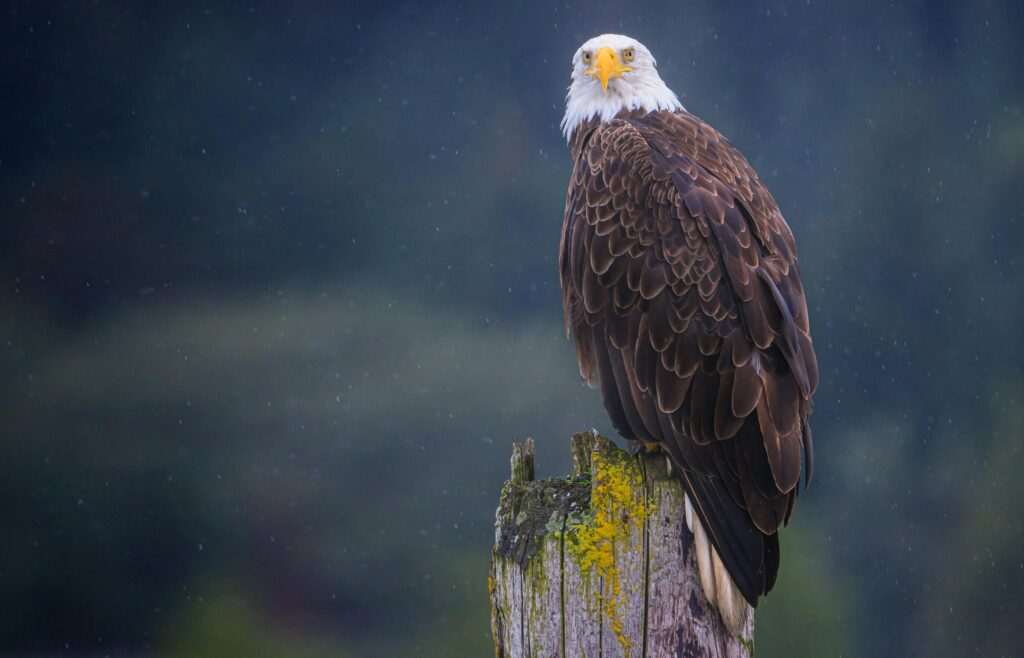
Anchorage sits at a confluence of habitats that would be unremarkable in a smaller place but is genuinely extraordinary given that it is a city of 300,000. Within thirty minutes of downtown, you can stand on a tidal flat watching Arctic terns dive against the backdrop of the Alaska Range, or sit on a boardwalk above a wetland where trumpeter swans nest in the cattails, or walk a coastal trail with bald eagles perched at eye level in the cottonwoods. The city is positioned at the northern end of the Pacific Flyway — one of four major North American bird migration corridors — and its varied habitats include boreal forest, alpine tundra, intertidal mudflats, wetlands, rivers, and urban parkland within a compact geographic area. For birders, Anchorage is significantly underrated. This guide covers the best locations, the key species by season, and the practical information to make a birding visit work.
Top Birding Locations in Anchorage
Potter Marsh Wildlife Viewing Area
Potter Marsh, located approximately 10 miles south of downtown Anchorage on the Seward Highway, is the city’s premier birding location and one of the most productive accessible wetland birding sites in Alaska. A 1,500-foot elevated boardwalk crosses the marsh, providing unobstructed views over open water and emergent vegetation without disturbing nesting birds. The marsh is formed by the backup of Potter Creek against the highway embankment, creating a freshwater wetland system that hosts nesting waterfowl and shorebirds from May through August.
Species reliably present at Potter Marsh in season: Arctic tern (nesting colony visible from the boardwalk), trumpeter swan (nesting pairs and cygnets visible in June and July), red-necked grebe (nesting, distinctive black-and-white breeding plumage), northern shoveler, American wigeon, mallard, lesser scaup, and various shorebirds during migration. The boardwalk is accessible, flat, and appropriate for spotting scopes — bring one if you have it, as the shorebird diversity on the open mud in late July and August rewards careful scanning. Parking is free at the highway pullout; a short path leads to the boardwalk entrance. The site is open year-round but birding activity peaks from late April through August.
Westchester Lagoon
Westchester Lagoon is an urban freshwater lake at the western edge of downtown Anchorage, immediately adjacent to the Tony Knowles Coastal Trail. It is the most accessible birding site in the city — reachable on foot from downtown hotels in 20 minutes — and productive year-round. The lagoon hosts diving ducks in winter and spring: bufflehead, Barrow’s goldeneye, common goldeneye, and common merganser are regular winter residents. During migration, the lagoon attracts common loon, horned grebe, and red-necked grebe. The surrounding cottonwood and spruce trees hold varied thrush, red-breasted nuthatch, and black-capped chickadee. In summer, the trails around the lagoon are good for warblers: yellow warbler, yellow-rumped warbler, and orange-crowned warbler breed in the area. The lagoon is free, publicly accessible 24 hours, and has interpretive signage identifying common species.
Tony Knowles Coastal Trail
The 11-mile Tony Knowles Coastal Trail runs along Cook Inlet from downtown Anchorage to Kincaid Park, providing a long transect through multiple habitat types: cottonwood bottomland, tidal flats, spruce forest, and open inlet shore. The tidal flats visible from the trail at low tide are feeding habitat for migrating shorebirds — western sandpiper, least sandpiper, dunlin, and greater yellowlegs move through in large numbers in July and August. Belted kingfisher are resident along the drainage channels year-round. Bald eagles use the large cottonwoods along the trail as perch and nest sites; in salmon season they concentrate at the creek mouths where fish are visible from the trail above. The open water of Cook Inlet is worth scanning with binoculars for loons and scoters. The trail is free and publicly accessible; parking at the Elderberry Park entrance near downtown or at the Kincaid chalet at the far end.
Earthquake Park and Point Woronzof
Earthquake Park and the adjacent Point Woronzof area, at the northwest corner of Anchorage near Ted Stevens International Airport, provide good raptor viewing — particularly during fall migration in August and September. Rough-legged hawk, which breeds on the arctic tundra and moves south in fall, is regularly seen here during migration. Merlin, sharp-shinned hawk, and American kestrel also pass through. The open sky over the inlet and the elevated viewpoint make this a functional hawkwatch location when weather is favorable. The area is less visited by birders than Potter Marsh or Westchester Lagoon, which means the site is underbirded relative to its potential. Common raven and northwestern crow are year-round residents. Scan the inlet for surf scoter and white-winged scoter in migration.
Ship Creek
Ship Creek runs through downtown Anchorage and hosts one of the more unusual urban birding opportunities in the country: a year-round American dipper population. The dipper — a stocky, gray bird that walks underwater along streambeds to forage for invertebrates — is resident on Ship Creek in all seasons, visible from the pedestrian bridge near the Alaska Railroad depot. In salmon season (July and August), bald eagles concentrate along the lower creek to feed on spawning fish and carcasses, sometimes in numbers exceeding 20 birds visible from the bridge at once. Great blue heron work the shallows. The combination of a boreal specialty (dipper) and a seasonal concentration of one of North America’s most impressive raptors makes Ship Creek worth 30 minutes during any Anchorage visit. The American dipper’s behavior — diving into swift current, walking along the streambed, bobbing constantly on exposed rocks — is one of the more unusual things you can watch within a 10-minute walk of downtown Anchorage hotel rooms. Year-round presence makes it dependable regardless of season.
Chugach State Park
Chugach State Park’s diverse elevation zones — valley forest, subalpine shrub, and alpine tundra — provide habitat for a different suite of species than the lowland and coastal sites. Boreal forest birds include Steller’s jay, gray jay (Canada jay), Townsend’s warbler, three-toed woodpecker, and hairy woodpecker. The trailheads off the Hillside above Anchorage give access to subalpine terrain where Townsend’s solitaire, hermit thrush, and fox sparrow breed. Above treeline, white-tailed ptarmigan and rock ptarmigan are the primary targets — both are year-round residents that turn completely white in winter and become cryptically brown and mottled in summer. Finding ptarmigan requires patience and elevation; the ridges above the Glen Alps trailhead in July are reliable habitat. Golden eagle occasionally nests in the Chugach and is seen over the higher terrain. Gray-crowned rosy-finch, a high-elevation alpine specialist, breeds in rock fields near the summits and is worth watching for on any ridge hike above the alpine transition.
Species Highlights by Season
Spring (May): May is peak migration in Anchorage. Shorebirds move through the tidal flats and Potter Marsh in large numbers; western sandpiper arrive in the hundreds of thousands across the Inlet. Arriving warblers — yellow, yellow-rumped, orange-crowned, Wilson’s — appear in the lowland trees in the second and third week of May. Owl activity peaks in May: great horned owl, boreal owl, and northern hawk owl are most vocal. The first Arctic terns arrive at Potter Marsh. Snow geese and greater white-fronted geese pass through in large flocks.
Summer (June–July): Breeding season brings full plumage and visible nesting behavior at Potter Marsh and Westchester Lagoon. Puffins — both tufted and horned — are accessible on day boat tours from Seward (2.5 hours south) and Homer (4.5 hours south); the Kenai Fjords boat tours from Seward are the most reliable puffin access from an Anchorage base trip. The summer solstice period brings near-continuous daylight, meaning birding is possible at any hour.
Fall (August–September): Shorebird diversity peaks at the tidal flats and Potter Marsh in late July and August, with the full range of Pacific Flyway species passing through. Raptor migration — rough-legged hawk, sharp-shinned hawk, merlin — moves through the coastal areas in August and September. Waterfowl staging on lakes and the inlet builds through September. Fall color peaks in mid-September and provides a dramatic backdrop for all birding activity.
Winter (October–March): Winter birding in Anchorage rewards those who look. Bohemian waxwing arrive in October-November in flocks that strip mountain-ash berries from urban trees; flocks of hundreds move through parks and neighborhoods. The Alaska Botanical Garden, with its extensive plantings of berry-bearing shrubs and native trees, is a reliable waxwing spot in autumn. Common and hoary redpoll gather in birch and alder stands. Ptarmigan are more accessible at lower elevations when deep snow pushes them out of the alpine. Barrow’s goldeneye and bufflehead remain on Westchester Lagoon through winter. The relatively mild maritime influence on Anchorage keeps winter temperatures less extreme than the Interior, making extended outdoor birding sessions feasible.
Using eBird
eBird (ebird.org), Cornell Lab’s citizen science bird reporting platform, is the most useful planning tool for Alaska birding. The Anchorage area has hundreds of active hotspots with recent sighting data, species frequency charts, and rare bird alerts. Before visiting any location, pull up the hotspot page on eBird to see what has been reported in the past two weeks — this real-time data is far more useful than any static field guide for knowing what to expect on a given day. The eBird app allows on-site reporting and displays nearby hotspots on a map. Alaska Audubon maintains a rare bird alert for the state; unusual sightings are circulated quickly through the Alaska birding community and often appear on eBird within hours. The Alaska Audubon Society also publishes resources on birding hotspots across the state and offers guided bird walks in Anchorage during migration season — check their schedule before your visit for upcoming public events. For serious listers, Alaska holds the highest state bird diversity of any U.S. state, and Anchorage is a practical base for adding species across multiple habitat types in a short trip.
Gear Recommendations
Binoculars rated 8×42 are the standard recommendation for Alaska birding — 8x magnification provides a wide field of view useful for scanning tidal flats and following moving birds, and 42mm objective lenses gather adequate light for the overcast conditions common in Anchorage. 10x binoculars are useful for spotting scopes but harder to hold steady in wind. A spotting scope (20-60x zoom) on a tripod is worth bringing for serious shorebird identification at Potter Marsh; the diversity of sandpiper and plover species in late summer is not distinguishable at binocular range.
Rain gear is essential — waterproof jacket and pants, not water-resistant. Anchorage summer rain arrives without much warning and can continue for hours. Rubber boots or waterproof hiking boots are appropriate for any mudflat or marsh work. The Sibley Guide to Birds of Western North America is the standard field reference; the National Geographic Field Guide’s western edition is also commonly used. Both cover all Anchorage-area species.
The birds in Anchorage do not require effort to find the way wilderness birding sometimes does. They are on the boardwalk, on the creek, in the cottonwoods along the trail. The effort required is simply showing up with binoculars and enough time to look.


No comments yet.