
Best Time to Visit Anchorage: A Month-by-Month Guide
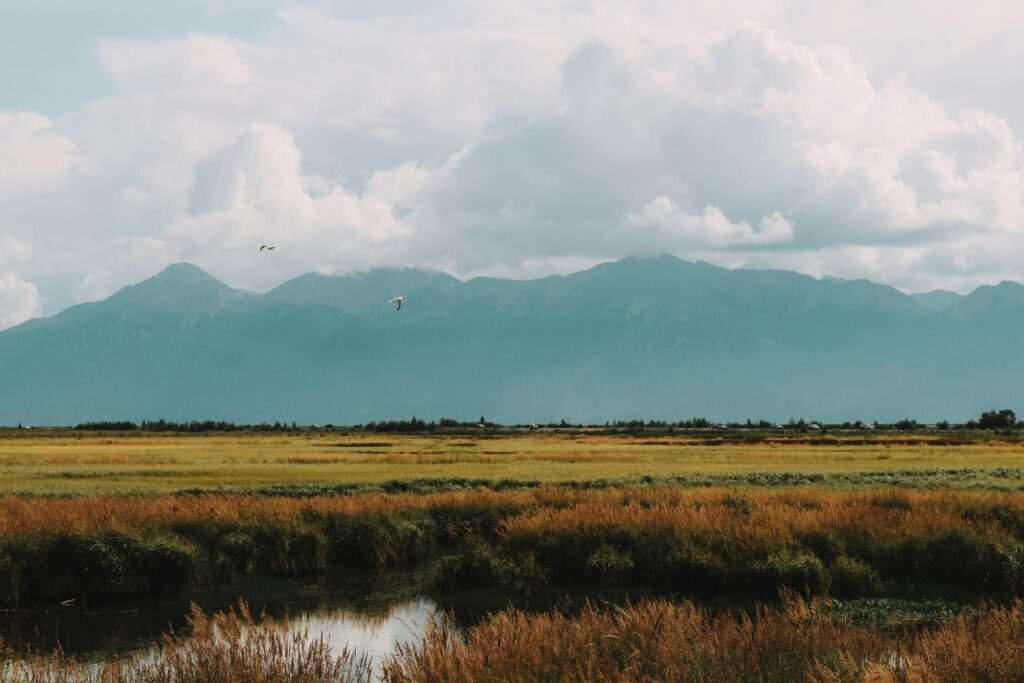
If you’re trying to figure out the best time to visit Anchorage, the honest local answer is this: it depends on what you want from the trip. Our city changes dramatically through the year. June gives you almost endless daylight and packed event calendars, September brings golden birch leaves and fewer crowds, and deep winter is when Anchorage feels the most distinctively Alaskan.
For most first-time visitors, late June through early September is the easiest window. You’ll get the mildest weather, the longest days, and the widest range of tours and festivals. But if your priorities are northern lights, snowy scenery, or lower shoulder-season rates, another month may fit better. Here’s how we break it down month by month.
January and February: Best for winter lovers
January and February are cold, dark, and very local in feel. Daylight is limited compared with summer, but the city is beautiful when fresh snow is on the ground and the Chugach peaks are sharp against a blue sky. This is a strong time to visit if you want winter scenery, cozy restaurants, and a better chance of seeing the northern lights than you would in summer.
The tradeoff is obvious: you’ll need real winter layers and flexible expectations for snow and ice. If that sounds like your kind of trip, winter can be rewarding. Pair museum time with meals at places like Snow City Cafe or Glacier Brewhouse, then lean into seasonal events once February rolls around.
March: Best for classic Alaska energy
March is one of our favorite insider months because Anchorage starts to feel brighter without losing its winter identity. Days get noticeably longer, and the city buzzes with late-winter events. In 2026, the ceremonial start of the Iditarod is scheduled for Saturday, March 7, 2026, and this stretch of the calendar is also when Fur Rondy brings snow sculptures, races, and a festive downtown atmosphere.
If you want Anchorage at its most iconic and don’t mind cold mornings, March is a smart pick. You’ll still need boots and winter gear, but the extra daylight makes sightseeing easier than it is in midwinter.
April: Best for value and breathing room
April is a true shoulder season month. Snow can linger, trails can be messy, and the city is in transition, so it is not the prettiest month of the year. But if you care more about lighter crowds and lower travel costs than postcard conditions, April can work well. This is when we tell visitors to focus on flexible itineraries, indoor attractions, and meals rather than chasing every outdoor highlight.
For a slower-paced spring trip, build in time for the Anchorage Museum and the Alaska Native Heritage Center. Both are excellent year-round and help anchor a trip when trail conditions are unpredictable.
May: Best for shoulder-season travelers who still want long days
May is when Anchorage starts looking and feeling more open. Snow is mostly retreating at lower elevations, daylight ramps up fast, and prices are often still better than they are in peak summer. If you’re wondering when to go to Anchorage for a balance of value and usable weather, May deserves a serious look.
This is a good month for city walks and early-season sightseeing. Places like the Tony Knowles Coastal Trail usually start calling people back outside, though you’ll want to check conditions before committing to longer rides or hikes.
June: Best overall for first-time visitors
If you want the easiest answer to “when is the best time to visit Anchorage,” June is hard to beat. Around the summer solstice, Anchorage gets more than 22 hours of daylight, which means you can fit an incredible amount into a single day without ever feeling rushed. It is one of the most fun times to be here, especially if you enjoy busy sidewalks, active tours, and a city that stays lively late into the evening.
June also lines up with some of Anchorage’s signature summer experiences. The Downtown Anchorage Summer Solstice Festival 2026 is a natural fit if you want the city’s celebratory peak, and the Anchorage Market & Festival adds another easy downtown stop for food, crafts, and local browsing. This is also an excellent month to book something scenic like Alaska Helicopter Tours while visibility and access are generally strong.
July: Best for warmest weather and full summer schedules
July is typically the warmest month in Anchorage and one of the busiest. If your priority is comfortable sightseeing weather, long days, and the widest selection of tours, July delivers. This is prime time for visitors who want to hike, take day trips, ride the railroad, and stay outside as much as possible.
The downside is that this is also when prices and visitor volume tend to be highest. If you visit in July, book your hotel and tours early and expect popular dinner spots to be busy. The payoff is that Anchorage is fully awake: trails are accessible, patios are active, and summer events stack up fast.
August: Best for festivals and late-summer color
August still feels like summer, but it starts shifting toward fall by the end of the month. You’ll notice slightly shorter days, cooler evenings, and a little more room to breathe compared with June and July. For many travelers, this is a sweet spot: most summer activities are still running, but the pace can feel less intense.
August is also great for community events. The Bear Paw Festival 2026 in nearby Eagle River is one of those fun late-summer happenings locals genuinely show up for. If you want Anchorage Alaska month by month in one sentence, August is the point where summer is still open for business but begins to mellow.
September: Best for fall scenery and fewer crowds
September is one of the most underrated times to visit Anchorage. Birch trees turn gold, mornings feel crisp, and there are usually fewer visitors than in midsummer. It is a strong choice for photographers, hikers, and travelers who want a quieter version of the city without dropping straight into winter conditions.
This is when hikes like Flattop Mountain Trail can feel especially rewarding on a clear day. By late September, you also start regaining real darkness at night, which means aurora chances begin returning if skies cooperate.
October and November: Best if you want a quiet local feel
October and November are another shoulder-to-winter transition, and they are not for everyone. Days shorten quickly, weather gets more variable, and you may see a mix of rain, early snow, and gray stretches. But if you like low-key city trips with room at restaurants and a more local rhythm, this part of the calendar can be appealing.
We usually recommend these months to repeat visitors rather than first-timers. They work best when the goal is a relaxed Anchorage base, not a maximalist Alaska bucket-list itinerary.
December: Best for holiday atmosphere and winter magic
December brings back the deep-winter Anchorage experience, including very short days and strong holiday energy. If you want snowy streets, festive lights, and a reason to embrace the season, December can be memorable. The Anchorage Winter Solstice Festival 2026 fits naturally into a December visit and gives travelers a way to experience our darkest season with a little extra celebration built in.
This is not the easiest month for broad sightseeing, but it is one of the most atmospheric. Think warm drinks, winter walks, and a city that feels fully itself.
So, what is the best month to visit Anchorage?
If you want the simplest recommendation, come in June or July. Those are the best months for first-time visitors who want mild weather, maximum daylight, and the biggest menu of things to do. If you want better value and fewer crowds, aim for May or September. If snow, winter events, and aurora potential matter more than easy touring, look at February, March, or December.
Anchorage does not have one perfect season for everyone, and that is part of the appeal. Pick the month that matches your priorities, then build your trip around the version of the city you actually want to experience.
Featured photo by Hannah Villanueva on Pexels.



No comments yet.