
Anchorage Museum Guide 2026: Exhibits, Events & What Not to Miss
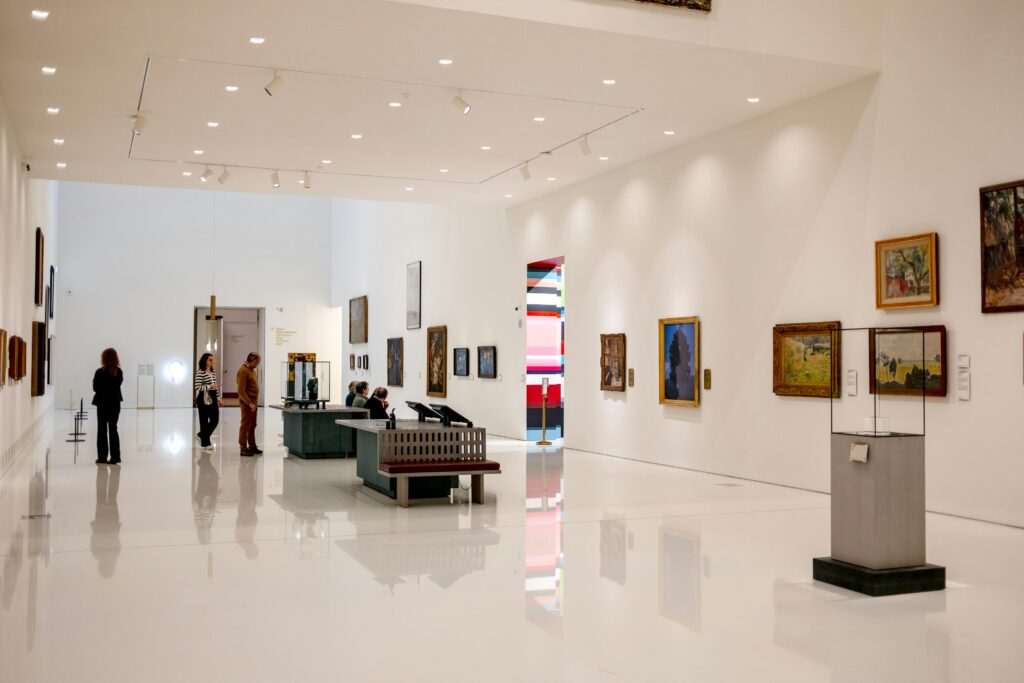
The Anchorage Museum isn’t just a rainy-day backup plan. It’s one of the best cultural institutions in the Pacific Northwest and, for many visitors, the most illuminating single experience available in the city. Budget at least 2–3 hours — more if you’re traveling with curious kids or have genuine interest in Alaska history, science, or Indigenous art.
The museum is located in the heart of downtown Anchorage, an easy walk from most hotels. It anchors a city block and has undergone significant expansion over the past decade, making it larger and more comprehensive than most visitors expect.
The Smithsonian Arctic Studies Center
This is the single most distinctive element of the Anchorage Museum — a permanent partnership with the Smithsonian Institution that brings a remarkable collection of Alaska Native cultural objects to the state where they originated. The collection includes over 600 objects from the Smithsonian’s National Museum of Natural History, representing the full geographic range of Alaska’s Indigenous peoples: Yup’ik, Cup’ik, Inupiaq, Athabascan, Alutiiq, Unangan, Eyak, Tlingit, Haida, and Tsimshian.
The interpretation is exceptional. Objects are presented not just as artifacts but in their cultural and functional context, with attention to the communities they came from. Alaska Native staff and community members have been involved in how the collection is presented. If you see only one gallery in the museum, see this one.
Art of the North
The Art of the North galleries hold one of the most significant collections of Alaska and circumpolar art in existence. Sydney Laurence’s monumental paintings of Denali and the Alaska landscape anchor the historical section — his canvases were doing for Alaska what the Hudson River School did for the American West, capturing a landscape that most of his audience would never see in person.
The collection extends through the 20th century and into contemporary work, showing how Alaska artists have engaged with the landscape, the light, and the cultural complexity of the state across generations. It’s a surprisingly rich art museum within a museum, and the Laurence paintings alone merit the visit for anyone interested in American landscape art.
Alaska History and Science Exhibits
The Anchorage Museum‘s history galleries walk through Alaska’s human presence from the first peoples across the Bering Land Bridge through the Russian period, the American purchase, the gold rushes, territorial status, the World War II role of Alaska as a strategic front, statehood in 1959, and up through the contemporary era. It’s a coherent narrative told well, with objects and imagery that ground the timeline.
The science exhibits engage with climate, geology, and the biological systems of Alaska — appropriate given that Alaska is one of the places where climate change is most visibly and rapidly transforming landscapes and ecosystems. The interpretation is science-forward and clear.
The Discovery Center: For Families
The Imaginarium Discovery Center within the museum is hands-on science and learning specifically designed for younger visitors. Interactive exhibits cover Alaska ecology, physics, and natural history in a way that keeps kids engaged. The format is kinetic — children do things rather than look at things — and the space is popular enough that it can get crowded on weekends and in summer.
Families with children should factor in extra time for the Discovery Center; it’s easy to spend 45 minutes there alone if kids are engaged.
The Thomas Planetarium
The museum’s Thomas Planetarium hosts shows covering astronomical topics, with regular programming for both general audiences and children. The planetarium is worth checking on scheduling when you purchase your tickets — shows run at specific times and occasionally sell out. Alaska’s aurora borealis gets dedicated programming that pairs well with a visit during aurora season.
Special Exhibitions
The Anchorage Museum’s summer exhibitions rotate annually and typically include at least one major traveling exhibition alongside Alaska-focused programming. The quality of the traveling shows has been consistently high in recent years — topics have ranged from Arctic exploration to contemporary Indigenous art to specific natural history themes. Check the current exhibition schedule before your visit so you know what’s up.
First Friday
The first Friday of each month, the Anchorage Museum opens for an extended evening (typically until 9 PM) with programming, live music, special gallery activations, and a social atmosphere that draws a mix of locals and visitors. It’s one of the best ways to engage with Anchorage’s cultural community and see the museum in a livelier context than the typical daytime visit. Admission is charged but the programming is often included. Check the schedule in advance if your trip overlaps with a first Friday.
Practical Information
Hours: Generally Tuesday through Sunday, 10 AM to 6 PM, with extended hours on Fridays. Closed Mondays. Hours can vary seasonally — check the museum website for current schedules.
Admission: Adults approximately $20–22, children and seniors discounted. Free for children under 5. The Alaska museum pass, available locally, covers the Anchorage Museum and other cultural institutions if you’re planning multiple stops.
Parking: The museum is within walking distance of downtown hotels. Metered street parking is available on surrounding blocks, with a small parking structure nearby. In summer, walking or using the free People Mover downtown shuttle is easier than dealing with parking.
Cafe and shop: The museum cafe serves lunch and light meals at reasonable prices for a museum cafe, with Alaska-sourced items on the menu. The gift shop has some of the best Alaska-made goods available in the city — books, prints, jewelry, and objects from Alaska Native artists.
Accessibility: The museum is fully accessible with elevators and ramps throughout.
What Not to Miss
If time is limited, prioritize in this order: the Smithsonian Arctic Studies Center, the Sydney Laurence paintings in Art of the North, and the Alaska history narrative. These three sections give you the most distinct and irreplaceable Alaska content. The Discovery Center is the priority if you’re traveling with children. Budget 2 hours minimum for a meaningful visit; 3–4 hours to go deeper into multiple collections.
The Anchorage Museum earns its central position in any downtown Anchorage itinerary. It’s not just a place to wait out the rain — it’s one of the clearest windows into why Alaska matters and what makes it distinct from anywhere else on earth.



No comments yet.