
Anchorage Lantern Festival 2026
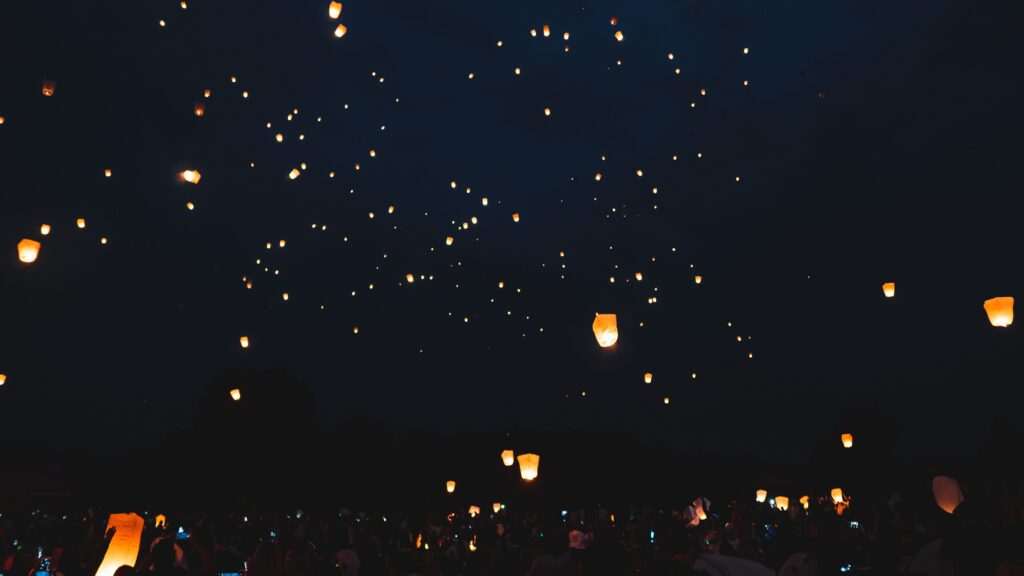
Alaska’s extreme relationship with darkness makes every celebration of light feel significant in a way that temperate latitudes can’t quite replicate. The sun barely rises above the horizon for two months of the Anchorage winter — then refuses to set for most of June. In that context, lantern festivals, floating lights, and luminous community events carry a meaning here that goes beyond seasonal decoration. This guide covers the lantern and light-based festivals that actually happen in and around Anchorage, from the Chinese community’s annual Lantern Festival celebration to the Japanese Obon floating lantern tradition, Fur Rendezvous winter light events, and the aurora borealis — Alaska’s own natural light show that no lantern maker has yet managed to improve on.
Chinese Lantern Festival in Anchorage
The Chinese Lantern Festival — Yuanxiao Jie — falls on the fifteenth day of the first month of the lunar calendar, marking the final night of the traditional Chinese New Year celebration period. Anchorage’s Chinese American community has maintained this tradition for generations, with celebrations centered around Chinese cultural associations and community centers in the city. Events typically include lantern displays, traditional food, and community gatherings in February. The Anchorage Chinese Community Center hosts events around this period — check their calendar in January for 2026 dates and event details. These celebrations aren’t large commercial productions; they’re genuine community events that welcome visitors interested in participating rather than spectating from a distance.
Japanese Obon and Floating Lantern Traditions
Alaska’s Japanese American community traces roots to the early 20th century, with significant populations arriving before and after World War II. The Obon festival — a Buddhist tradition honoring ancestors — traditionally includes floating lanterns on water (tōrō nagashi) as a way of guiding spirits back to the afterlife. While Alaska’s climate constrains the elaborate outdoor Obon celebrations seen in Hawaii and mainland Japanese American communities, the Anchorage Buddhist Temple and Japanese cultural organizations observe the tradition in adapted forms. The tōrō nagashi ceremony, when it occurs, typically takes place at a lake or waterway in summer. Contact the Anchorage Buddhist Temple directly for 2026 event schedules — these small ceremonies are among the most moving light experiences available in Alaska outside of the aurora itself.
Fur Rendezvous Light Events
The Fur Rendezvous winter festival — Rondy, as Anchorage residents call it — spans multiple February weekends and includes a range of events that embrace rather than hide the winter darkness. Evening events, fireworks, and the festival’s general atmosphere of celebrating the deep-winter Alaska experience all involve light in ways that matter more when the backdrop is genuine darkness. The World Championship Sled Dog Race runs through downtown Anchorage streets as part of Rondy, drawing evening spectators who line the routes under lights strung along the course. Our Anchorage winter activities guide covers Fur Rendezvous in full context alongside other February events.
Solstice Celebrations
The winter solstice — typically December 21 — is a genuine occasion in Anchorage, where it means roughly five and a half hours of daylight. Community events, including organized runs at Kincaid Park and informal gatherings, mark the turning point when daylight begins to return. The summer solstice in June flips the script entirely: the sun doesn’t set, and the Midnight Sun Run sends runners through Anchorage at midnight in full daylight. Solstice events aren’t lantern festivals in the traditional sense, but they represent Alaska’s most culturally specific relationship with light as a scarce and then overwhelming resource.
The Aurora Borealis: Alaska’s Original Light Show
No lantern festival produces light effects that compare to a strong aurora display over the Chugach Mountains. The northern lights visible from Anchorage from late August through April represent a natural light phenomenon that draws visitors from across the world specifically to Alaska. The Anchorage area provides reasonable aurora viewing, though the mountains to the east block some of the northern sky — dedicated aurora chasers typically drive 30–60 minutes out of the city for clearer dark-sky conditions. Hillside areas above Anchorage, the Glenn Highway corridor toward Chugiak, and Hatcher Pass (70 miles north) all provide improved viewing over in-city conditions. Our winter activities guide covers the aurora season in Anchorage alongside practical viewing timing and locations.
For guided aurora excursions from the Anchorage area, Rust’s Flying Service operates charter flights to dark-sky areas north of the city during high-aurora periods, reaching viewing conditions well beyond urban light interference.
Modern Light Events and Installations
Anchorage’s arts community has increasingly incorporated light-based installations into winter events, partly as a direct response to the city’s relationship with darkness. The Anchorage Museum periodically hosts evening events with light components, and First Friday art walks — monthly events on the first Friday of each month — sometimes include exterior light installations and illuminated displays, particularly in the winter months when they make the greatest visual impact. Check the Anchorage Museum website and the Downtown Partnership calendar for current-year event listings.
Sky Lantern Releases: What to Know
Sky lantern releases — the floating paper lanterns associated with Southeast Asian festivals — face legal and practical constraints in Alaska. The Alaska State Fire Marshal’s office has issued guidance on sky lantern use, and many communities restrict or prohibit them due to wildfire risk during dry seasons and the potential for flame-carrying lanterns to drift unpredictably. Organized sky lantern releases haven’t become an established Anchorage event format, in part because of these regulatory concerns. If you’re planning a private celebration involving sky lanterns, check current Anchorage Municipal Code and any active burn bans before proceeding. Our free things to do in Anchorage guide covers the full range of outdoor community events where visitors can participate without cost.
Planning a Light-Themed Visit to Anchorage
For visitors drawn specifically to lantern and light events, the February window — spanning Chinese New Year celebrations and Fur Rendezvous — concentrates multiple light-oriented events within a few weeks. Winter aurora viewing, available September through April, provides the most reliable large-scale light experience. Summer Obon events (when they occur) typically take place in July or August.
Contact the Alaska Native Heritage Center, Anchorage Buddhist Temple, Anchorage Chinese Community Center, and the Anchorage Museum for 2026 event calendars. These organizations maintain the most current information about culturally specific light and lantern events that don’t always appear on mainstream tourism platforms. Most of these events welcome non-community visitors who approach them with genuine interest in the cultural context rather than treating them as casual sightseeing stops.
The Alaska Public Lands Information Center on 4th Avenue maintains seasonal event calendars and can provide guidance on aurora viewing locations, park access, and outdoor event timing throughout the year.
Photo by Chait Goli on Pexels.



No comments yet.