
Alaska Native Culture in Anchorage 2026: Museums, Heritage Sites & Cultural Experiences
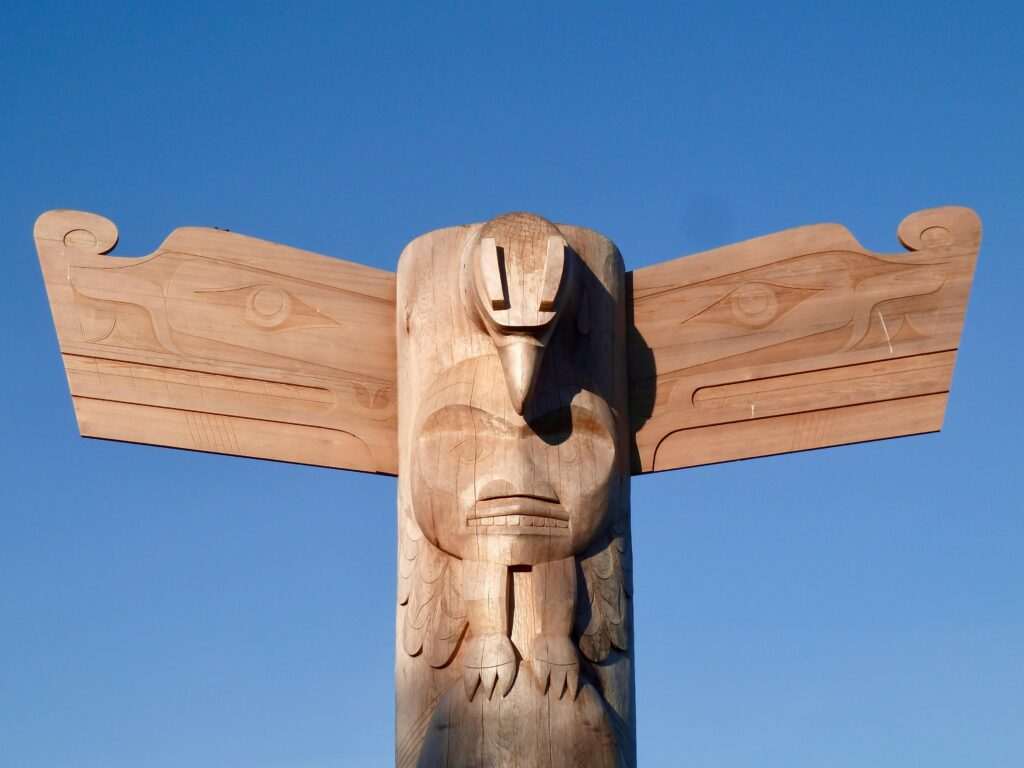
Alaska Native cultures represent more than 20 distinct peoples — Athabascan, Yup’ik, Cup’ik, Inupiaq, Alutiiq, Eyak, Tlingit, Haida, and Tsimshian among them — each with its own language, artistic traditions, and relationship to the land. Anchorage sits at a geographic crossroads where many of these cultures converge, and the city offers more serious, substantive engagement with Alaska Native heritage than most visitors realize. Here’s where to find it.
Alaska Native Heritage Center
The Alaska Native Heritage Center is the essential starting point — a 26-acre campus on the northeast edge of Anchorage that brings together cultural demonstrations, traditional architecture, and the work of Native artists and scholars in one place. This isn’t a museum in the conventional sense. It’s a living cultural institution where Native Alaskans are the guides, the artists, and the storytellers.
The centerpiece is a series of full-scale traditional dwelling structures built around a central lake, each representing a distinct cultural group. An Athabascan winter home, a Yup’ik sod house, a Northwest Coast clan house, a St. Lawrence Island home — the differences in construction and design reflect the radically different environments and lifestyles of each people. Guides from the respective cultures walk visitors through the structures, explain the materials and techniques, and answer questions with the specificity that only someone raised in that tradition can provide.
Inside the main hall, cultural demonstrators work throughout the day — weaving, carving, drumming, beading — and the Welcome House hosts performances of traditional dance that visitors can watch from the floor rather than from a theater seat. The Ch’k’iqadi Gallery exhibits fine art and cultural objects drawn from the center’s collections alongside work by contemporary Native artists. Admission runs $24.95 for adults, and the center operates May through September with extended summer hours. Budget three to four hours for a complete visit.
Anchorage Museum
The Anchorage Museum approaches Alaska Native culture through a different lens — art history, anthropology, and contemporary practice — and its permanent Alaska gallery includes one of the strongest collections of Alaska Native art and material culture accessible to the public in the state. The Smithsonian Arctic Studies Center, which operates within the museum, brings curatorial depth and rotating exhibition programming that’s informed by ongoing collaboration with Native communities.
The Anchorage Museum summer exhibitions 2026 extend the museum’s Alaska Native programming through the peak visitor season. Check the museum’s current schedule when planning; the summer lineup typically includes works by Alaska Native artists alongside exhibitions exploring Indigenous land relationships, language revitalization, and contemporary Native identity. Admission is $20 for adults. The museum is open year-round and is downtown, making it an easy addition to any Anchorage day.
Festivals & Cultural Events
Two annual festivals bring Alaska Native cultural expression into public space in ways that complement the museum and heritage center visits.
The Alaska Indigenous Arts Festival focuses specifically on the intersection of traditional practice and contemporary Native art — a forum where Alaska Native artists present work and discuss how inherited techniques and cultural knowledge shape what they’re making now. It’s a serious arts event, not a general cultural fair, and the conversations it generates between artists, curators, and visitors are worth attending for anyone with more than a passing interest in Alaska Native art.
The Anchorage Native Arts & Culture Festival is broader in scope — dance performances, traditional games, arts demonstrations, and food — and functions as a community celebration as much as a visitor event. The traditional games competitions, adapted from practices that developed as preparation for the physical demands of Arctic life, are genuinely athletic and worth watching on their own terms. Check current year dates for both festivals, as scheduling varies.
Buying Alaska Native Art
One of the most meaningful things visitors can do is buy directly from Alaska Native artists rather than purchasing mass-produced items sold as “Alaska Native art.” The distinction matters economically and culturally. Authentic Alaska Native art supports living artists and their communities; imitation pieces, which are legally required to be labeled as such but often aren’t, don’t.
The Alaska Native Heritage Center’s gift shop sells only authentic work by Native artists and craftspeople — it’s one of the safest purchasing environments in the state. The Anchorage Museum’s shop carries a curated selection of contemporary Alaska Native art. The Saturday Market in downtown Anchorage sometimes includes Native artists selling directly; always ask whether the artist made the piece you’re considering.
Look for the Silver Hand label — a state-certified mark indicating that the item was made by a Native Alaskan. It’s not required, so its absence doesn’t disqualify a piece, but its presence is a reliable indicator.
Alaska Native Foods
Traditional Alaska Native foods — dried salmon, smoked fish, muktuk (bowhead whale skin and blubber), akutaq (a mixture of fat, berries, and sometimes fish sometimes called “Eskimo ice cream”) — aren’t readily available at restaurants, but the Alaska Native Heritage Center sometimes incorporates food into its programming, and cultural events like the Native Arts & Culture Festival occasionally feature traditional foods prepared by community members. If you encounter the opportunity to try traditional foods at a Native-hosted event, do so respectfully — these foods carry cultural significance far beyond their nutritional function.
Visiting Respectfully
A few practices make a significant difference when engaging with Alaska Native cultural spaces and events. Ask before photographing individuals, particularly during cultural demonstrations or performances — the answer is almost always yes, but asking signals respect. Let Native guides and demonstrators lead the conversation; the heritage center in particular structures its programming so that Native voices are primary rather than supplemental. At cultural events, watch traditional dances and games as attentive audience members rather than stepping in or participating unless explicitly invited.
Alaska Native cultures aren’t artifacts. They’re living systems that adapted over thousands of years to some of the most demanding environments on earth, and they’re adapting now to the pressures and possibilities of the 21st century. The most valuable thing a visitor can bring is the willingness to listen to what’s actually being said rather than confirming what they already think they know.

No comments yet.