
Anchorage Floral Workshops 2026: Classes
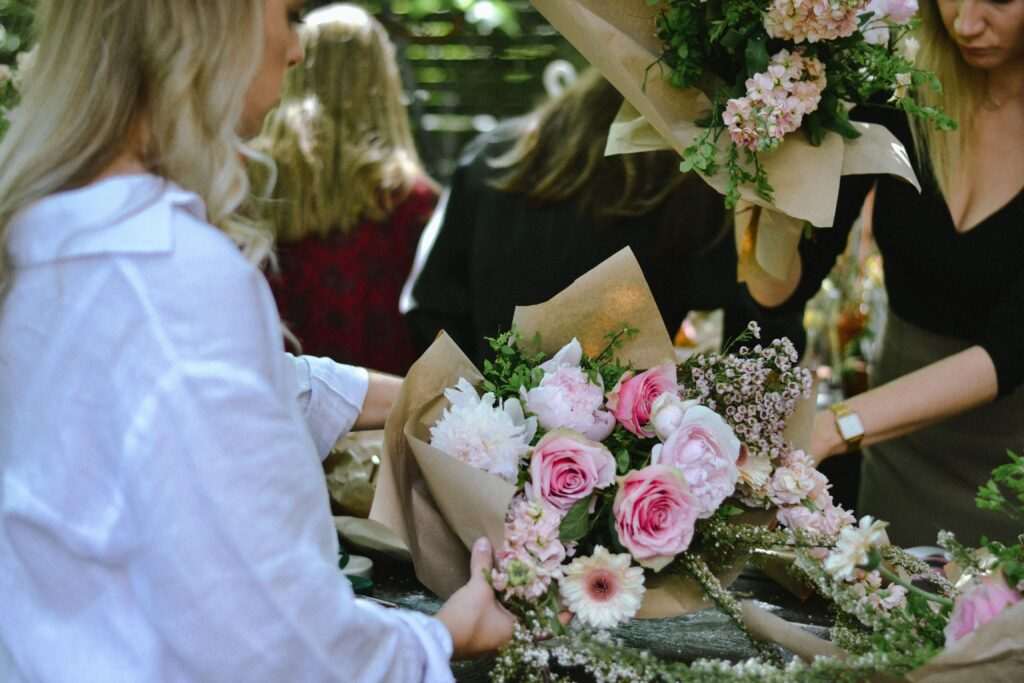
Alaska’s wildflower season is compressed and intense. The window from late May through August delivers fireweed, wild roses, lupine, cow parsnip, monkshood, arnica, columbine, and dozens of other species in a succession of bloom that rewards anyone who knows where to look. The floral arrangement community in Anchorage has built around this natural abundance — combining foraged Alaska botanicals, locally grown flowers from greenhouse and hoophouse operations, and the design traditions of ikebana and Western floral art into a creative practice that’s distinctively tied to the place. Floral arrangement workshops in Anchorage in 2026 range from single-session introductions to multi-week design courses, and the best of them incorporate Alaska’s native plant material in ways that ground the craft in local botanical identity. This guide covers what’s available, where to find it, and what to expect from an Anchorage floral workshop.
Alaska’s Wildflower Season as Design Resource
The defining characteristic of floral design in Alaska is that the raw material changes dramatically with the season. In late May, the first dandelions and chocolate lilies appear; by June, wild iris and columbine bloom in the foothills; July brings fireweed — the state’s defining summer wildflower, with its vertical spike of magenta-pink blooms — alongside wild roses, yarrow, and meadowsweet; August adds goldenrod and Alaska’s late-season asters. Each of these species has design characteristics that inform how you work with it: fireweed’s upright spike creates strong vertical lines; wild roses’ small blooms cluster naturally; monkshood’s deep blue-purple pairs with the amber tones of grasses in late-summer arrangements.
Alaska’s native botanicals aren’t always available from commercial florists, which means the most interesting local design work often involves foraged material. It’s worth knowing the relevant regulations: foraging on Chugach State Park land is permitted for personal use in small quantities, but commercial foraging requires permits. Most floral workshop instructors who use native material have established legal sourcing — from their own property, from permitted foragers, or from the handful of Alaska growers who cultivate native species commercially. The Alaska Public Lands Information Center on 4th Avenue is the authoritative local resource for personal-use foraging rules and seasonal wildflower identification guides.
Workshop Formats in Anchorage
Anchorage’s floral workshop landscape includes several distinct formats:
- Drop-in studio workshops: Single-session workshops typically run 2–3 hours and cover a specific design format — a centerpiece, a hand-tied bouquet, a wreath, or a seasonal arrangement. These are the most accessible entry point and don’t require any prior experience. Participants leave with a finished piece.
- Themed seasonal workshops: Tied to Alaska’s botanical calendar — a spring wildflower workshop in late May, a fireweed arrangement class in July, a dried botanicals and winter greens workshop in October. These capitalize on the season’s material and teach design principles specific to that material’s characteristics.
- Multi-week design courses: Less common in Anchorage’s smaller creative economy, but available through the Alaska Pacific University community education program and occasionally through independent design studios. Multi-week formats allow progression from basic structure and mechanics to advanced color theory and style exploration.
The Anchorage creative workshop community includes several florists and design instructors who offer private and group sessions from their studios. Social media — particularly Instagram — is the most reliable way to find currently operating Anchorage floral workshop providers, since the market shifts from year to year as individual instructors add or discontinue offerings. For fresh-cut Alaska-grown flowers and botanical material during summer, the South Anchorage Farmers Market carries flowers from local growers from late June through early September.
Ikebana in Anchorage
Ikebana — the Japanese art of flower arrangement governed by principles of line, form, and asymmetry rather than Western floral abundance — has a dedicated community in Anchorage through the local chapter of the Ikenobo school, one of the oldest ikebana lineages in Japan. The Anchorage chapter runs periodic workshops and demonstrations that are open to newcomers without prior experience. Ikebana’s minimalist philosophy — using fewer stems deliberately placed to suggest nature’s forms rather than replicate them — pairs particularly well with Alaska’s native botanicals, where a single fireweed stalk, a branch of birch catkins, or a piece of driftwood from a coastal beach can anchor an arrangement that feels native to the place.
Ikebana workshops in Anchorage typically use kenzan (pin frogs) and specific vessel forms that support the traditional arrangements; the school provides materials for introductory sessions, so beginners don’t need to invest in tools before trying the practice.
Alaska Native Botanical Knowledge in Floral Design
Alaska Native plant knowledge extends well beyond the utilitarian into the aesthetic. Traditional plant use in Alaska includes botanical materials for weaving, dyeing, construction, and ornamentation — the same species that contemporary floral designers reach for. Engaging with this knowledge requires the same approach as engaging with any Indigenous cultural material: seek out instruction from Alaska Native instructors and cultural organizations rather than borrowing design vocabulary without context. The Alaska Native Heritage Center periodically offers botanical and plant knowledge events where traditional material use is shared in culturally appropriate context.
Growing Your Own: Alaska-Adapted Cut Flowers
Alaska’s growing season is short (roughly 100–120 frost-free days in the Anchorage area) but the long summer days produce plants of exceptional size and vigor. Annual cut flowers that work well in Anchorage home gardens include sunflowers (which reach extraordinary heights in the Mat-Su Valley, where the Palmer area holds world records for giant vegetables), zinnias, dahlias (started indoors in March–April and transplanted after last frost in late May), and Iceland poppies. Perennials that naturalize in Anchorage’s climate include bleeding heart, Siberian iris, and hardy geraniums that come back each season with minimal care.
Growing your own cut flower supply, even at small scale, supports a deeper engagement with the floral design practice — you’re working with material you’ve grown from seed, which changes the relationship with the arrangement itself. Our free things to do in Anchorage guide covers Anchorage’s public gardens and parks where Alaska’s cultivated and wild botanicals are on display through the summer. Our Anchorage hiking guide covers the trail routes — including Kincaid Park‘s meadow and coastal zones, which host fireweed, wild iris, and columbine through the summer — where Alaska wildflowers are most abundant and accessible for foragers with legal personal-use authorization.
Photo by Vladimir Srajber on Pexels.



No comments yet.