
Anchorage Farmers Markets 2026: Where to Shop Local in Alaska
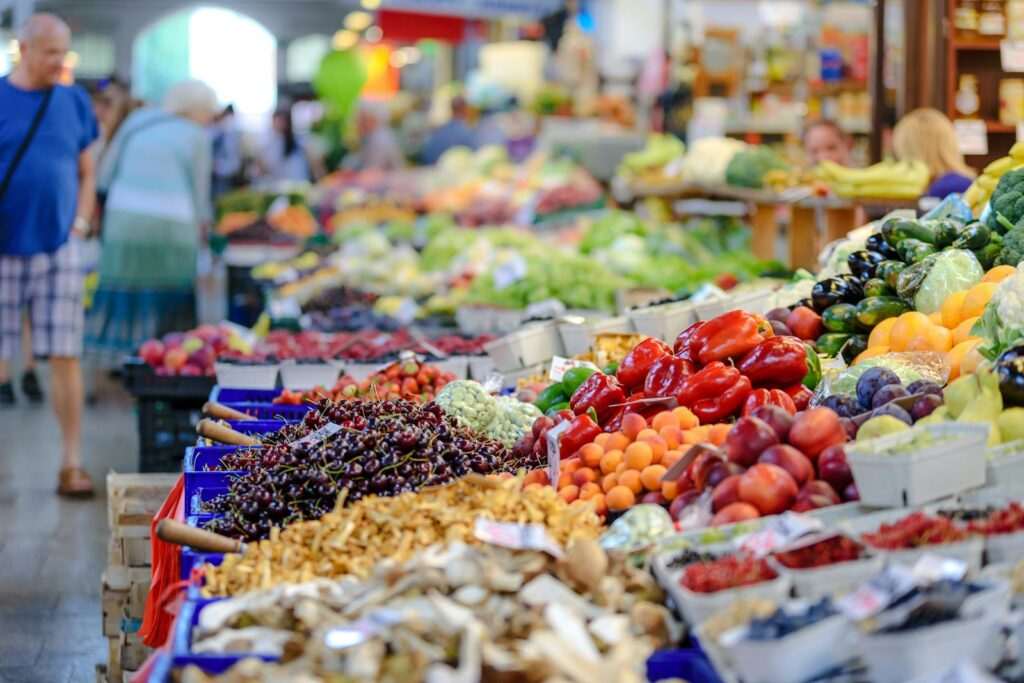
Every Saturday from late May through early September, a few thousand Anchorage residents make their way to the same outdoor stalls, browse the same jars of raw honey and locally smoked salmon, and come home with their bags heavier than planned. The farmers market scene in Anchorage is modest by Lower 48 standards — this is not a year-round institution — but within the Alaska summer window it delivers something the grocery stores can’t: produce grown a few miles away under 20 hours of daily light, Alaska-made goods from people who made them, and the specific pleasure of shopping outside in a city that spends most of the year indoors. Here are the main markets to know.
South Anchorage Farmers Market
The South Anchorage Farmers Market runs Saturdays and Sundays from late May through September at a parking lot off Old Seward Highway in the Dimond area. It’s one of the larger and more established markets in the city — consistent vendors, a good variety of produce, and a comfortable suburban layout that makes it easy to browse with a stroller or shopping cart. Expect to find field greens, radishes, carrots, and eventually tomatoes and squash as the summer matures. Alongside produce vendors you’ll find booths with Alaska-made jams, fermented foods, baked goods, and artisan crafts. The Saturday market tends to draw heavier attendance than Sunday; arrive by 10 a.m. for the best selection.
Spenard Farmers Market
The Spenard Farmers Market runs Saturdays from June through August in the Spenard neighborhood — a stretch of Anchorage with a slightly grittier, more eclectic character than the suburban south end. The market reflects the neighborhood: independent vendors, a strong emphasis on local food culture, food trucks often parked alongside the produce stalls, and live music that makes it feel less like a grocery run and more like a Saturday morning hangout. The crowd is local; tourists rarely make it this far off the standard Anchorage itinerary, which keeps the atmosphere relaxed and unpretentious. If you’re staying anywhere in midtown, Spenard is a short drive or bike ride.
Saturday Market at Ship Creek
The Saturday Market at Ship Creek runs Saturdays from June through August in downtown Anchorage near the waterfront, just a short walk from the Alaska Railroad depot. This is the most visitor-friendly of the three markets — central location, good food truck presence, and a festive atmosphere with live music on most Saturdays. Beyond produce, the Saturday Market leans into Alaska-made goods: handmade jewelry, birch syrup, wild berry jams, local honey, smoked fish, and craft items that make legitimate souvenirs. The downtown location means you can combine it with a walk along the waterfront or a visit to the nearby Tony Knowles Coastal Trail. Plan to arrive in the morning — the market runs roughly 9 a.m. to 2 p.m. and the best food truck lines form before noon.
What You’ll Find
Alaska’s short, intense growing season produces vegetables with exceptional flavor — the same daylight that drives the midnight sun also drives sugar content in root vegetables and leafy greens. Don’t pass up Alaskan-grown lettuces, kale, and radishes in June and July. As summer peaks, look for greenhouse tomatoes and cucumbers, and by August, the fireweed honey arrives — a light, delicate Alaska wildflower honey that’s worth buying in quantity. Wild berry jams (blueberry, salmonberry, lingonberry) are among the most reliable quality buys at any of these markets.
Practical Tips
- Bring cash. Most vendors accept cards, but some smaller booths and food trucks are cash-only. An ATM run beforehand saves friction.
- Go early. Farmers markets in Alaska sell out of the most popular items quickly — popular produce vendors and bakeries are often sold out by noon.
- Bring a bag. Reusable totes work better than the small plastic bags vendors sometimes hand out.
- EBT/SNAP accepted. All three major markets accept EBT/SNAP cards, and several participate in programs that double purchasing power for fresh produce.
- Parking. All three markets have adjacent parking. Saturday Market at Ship Creek has the most constrained downtown parking — consider arriving by bike on the coastal trail or allow extra time on busy summer Saturdays.
Alaska-Made vs. Alaska-Grown
Not everything at an Anchorage farmers market is grown in the ground. A significant portion of vendors sell Alaska-made goods — products crafted, processed, or produced in-state even if the raw ingredients come from wild harvest rather than a farm row. The distinction matters if you’re trying to understand what you’re buying.
Alaska-grown produce comes from local farms and greenhouses. Because of the short season and limited arable land, the selection is narrower than you’d find in a temperate-climate market: primarily leafy greens, root vegetables, herbs, and some greenhouse-grown tomatoes and cucumbers. What it lacks in variety it makes up for in freshness — most of this produce was harvested within 24 to 48 hours of the market.
Alaska-made goods are a broader category. Smoked salmon, halibut jerky, and canned seafood come from commercial and sport fishermen who process their own catch. Jams and preserves are made from wild-harvested berries — blueberries, salmonberries, cloudberries, crowberries — that grow across Alaska’s forests and tundra. Honey from Alaska hives, birch syrup tapped from local trees, and handcrafted fermented foods round out the category. These goods are often the best value at the market: hard to find outside Alaska, genuinely local, and shelf-stable enough to travel home with you.
When in doubt, ask the vendor directly. Most market sellers are the producers — they can tell you exactly where the salmon was caught or which meadow the honey came from. That direct connection is part of what makes the market worth going to.
Season and Timing
Anchorage farmers markets open around Memorial Day weekend and most run through Labor Day, with some extending into early September. The peak of the market season — highest vendor attendance, widest selection, best weather odds — falls in July and the first half of August. By late August, some vendors begin scaling back as the growing season concludes and the school year returns. If you’re visiting in June, markets are smaller but the energy of the early season is its own reward.
Featured photo by AS Photography on Pexels.



No comments yet.