
Alaska Zoo Anchorage 2026: Arctic & Subarctic Wildlife Up Close
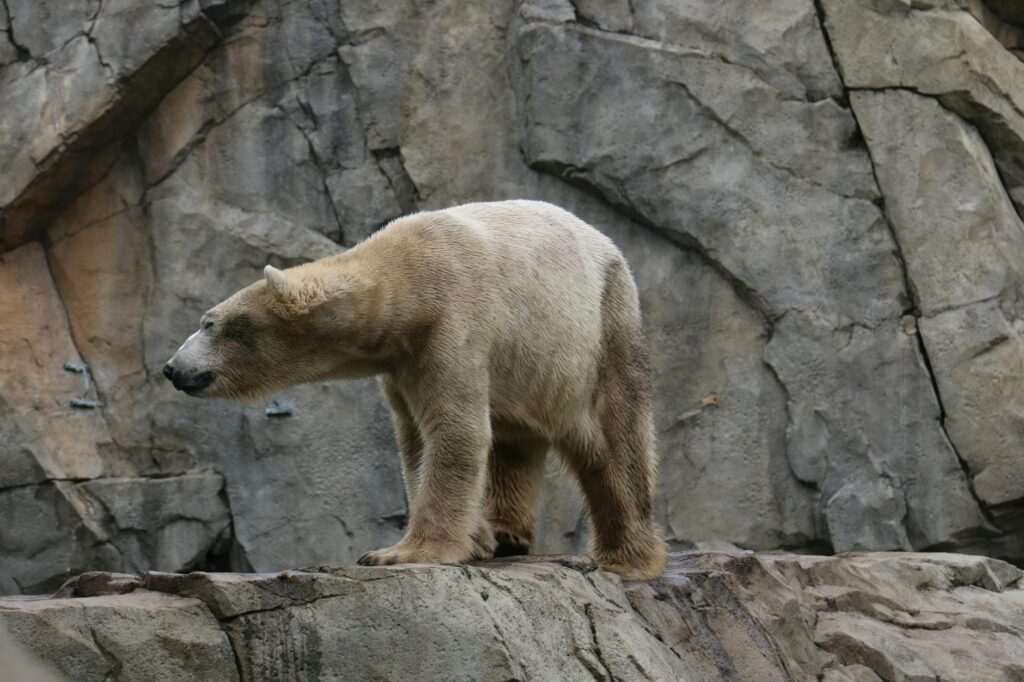
Most zoos aim to show you the world. The Alaska Zoo, tucked into south Anchorage on O’Malley Road, aims to show you exactly one corner of it — and does it better than anywhere else on the planet. This is the only zoo in Alaska, and its focus is narrow by design: Arctic and subarctic species that live wild in Alaska’s forests, tundra, and coastlines. If you want to see a giraffe, you’re in the wrong place. If you want to stand two feet of glass away from a polar bear, this is it.
A Brief History
The Alaska Zoo’s origin story is about as Alaskan as it gets. In 1966, a grocery store chain ran a contest offering a Kodiak bear cub as the prize. The winner, a local family, soon found themselves overwhelmed by a growing bear and donated the animal to the city. That bear — named Binky — became the founding animal of what would eventually grow into a full zoo. The facility opened to the public in 1969 and has operated as a nonprofit ever since, funded through admission, memberships, and donations rather than municipal appropriations. That nonprofit structure shapes everything: the zoo stays small and mission-focused, reinvesting revenue directly into animal care and habitat improvement.
The Animals: A Who’s Who of Alaska Wildlife
The Alaska Zoo’s collection reads like a field guide to the state’s most compelling fauna. Polar bears anchor the experience — the zoo has maintained polar bears since the early 1970s and the enclosure gives visitors close-up viewing that’s simply not possible anywhere in the wild. Brown bears are on exhibit alongside their smaller black bear cousins, and the habitat design gives both species room to exhibit natural foraging behavior.
Beyond the bears, the zoo holds wolverines (famously difficult to keep and rarely seen in any zoo), Canada lynx, moose, Sitka black-tailed deer, reindeer, and musk oxen. The bird program is equally strong: snowy owls, Steller’s sea eagles (one of the largest raptors in the world), bald eagles, great horned owls, and ravens are all on exhibit. Arctic foxes round out the collection with their seasonal coat changes — pure white in winter, silvery-brown in summer.
The animals here aren’t exotic imports. Many are rescues: bears that had human-conflict histories and couldn’t be released, raptors that came in with injuries, wolves that were orphaned. The zoo’s rehabilitation and conservation mission runs through everything — interpretive signs explain each animal’s story, and staff are knowledgeable about the specifics of why each animal is here rather than in the wild.
Planning Your Visit: Practical Details
Hours: The zoo operates year-round. Summer hours (May–September) run 9:00 AM to 6:00 PM daily. Winter hours vary; check the website before visiting in shoulder seasons.
Admission: Adult tickets run approximately $20; children 3–17 pay less; under 3 are free. Prices are reasonable by zoo standards — this isn’t a major metropolitan zoo charging $35 to see a lion.
Time needed: A complete loop of the zoo takes 1.5–2 hours at a comfortable pace. Add time if you linger at the polar bear exhibit or catch a keeper talk.
Parking: Free, with a large lot off O’Malley Road. The lot fills on peak summer weekends — arrive before 11:00 AM.
Dining: The zoo has a snack bar operating in summer with standard concession fare. Picnic tables near the entrance make it easy to bring your own lunch — this is a good option for families wanting to stretch the visit without paying concession prices.
Accessibility
The zoo is largely flat and paved, with accessible restrooms and wide paths throughout. A few natural-terrain sections exist near the back of the park but can be bypassed. The polar bear viewing area and raptor exhibits are all fully accessible by wheelchair or stroller. Staff are helpful; call ahead if you have specific accessibility questions.
Wildlights: The Winter Event
One of the zoo’s most beloved programs is Wildlights, held annually in late November through early January. The zoo transforms after dark with extensive holiday light displays, and the winter-adapted animals — polar bears, Arctic foxes, snowy owls — are at their most active in the cold. It’s the rare winter event that actually benefits from Alaska’s darkness. Wildlights typically runs on select evenings; check the zoo’s calendar for specific dates and times, as it sells out on weekends.
Wildlife Education Programs
The zoo runs structured education programs for school groups and families throughout the year, with behind-the-scenes keeper experiences available for an additional fee during peak season. If the zoo’s programming sparks a broader interest in Alaska’s natural history, the Alaska Museum Wildlife Education Programs offer complementary curriculum-based experiences covering the state’s ecosystems in depth.
Pairing the Zoo with South Anchorage Trails
The zoo sits at the base of the Chugach foothills in south Anchorage, which makes it a natural anchor for a full-day outdoor itinerary. O’Malley Road is essentially the spine of south Anchorage’s trail network. After the zoo, the O’Malley Peak Trail departs from the Glen Alps trailhead just minutes away — it’s a moderate-to-strenuous hike with panoramic views of the city, Cook Inlet, and on clear days, Denali. The round trip runs about 5 miles with roughly 1,700 feet of gain.
For families with younger kids or anyone looking for something flatter, the Gasline Trail offers an easy multi-use path along the foothills corridor with mountain views and frequent moose sightings. It’s accessible from multiple points in south Anchorage and works well as an after-zoo wind-down walk.
The Flattop Mountain trail — one of Anchorage’s most iconic hikes and the most-climbed peak in Alaska — also departs from Glen Alps and is doable for older children and experienced hikers. There’s no better way to end a south Anchorage day than on Flattop at golden hour, looking back over the city and the inlet toward the Alaska Range.
Who the Alaska Zoo Is For
The Alaska Zoo punches well above its size. It’s not a mega-zoo, and it doesn’t try to be — the collection is tight, the mission is specific, and the execution is genuinely excellent within that scope. For families with kids, it delivers concentrated wildlife encounters in a manageable footprint without the exhaustion of a sprawling multi-hour complex. For visitors who’ve come to Alaska specifically for the wildlife, it provides a guaranteed close-up experience with species they might spend a week in the backcountry hoping to spot.
Budget roughly half a day here, pair it with a trail or two from Glen Alps, and you have one of the best south Anchorage days available — wild Alaska animals in the morning, wild Alaska landscapes in the afternoon.
Photo: Nathan Stein / Pexels


No comments yet.