
Alaska State Fair 2026: Dates, Tickets, Giant Vegetables & What to Expect
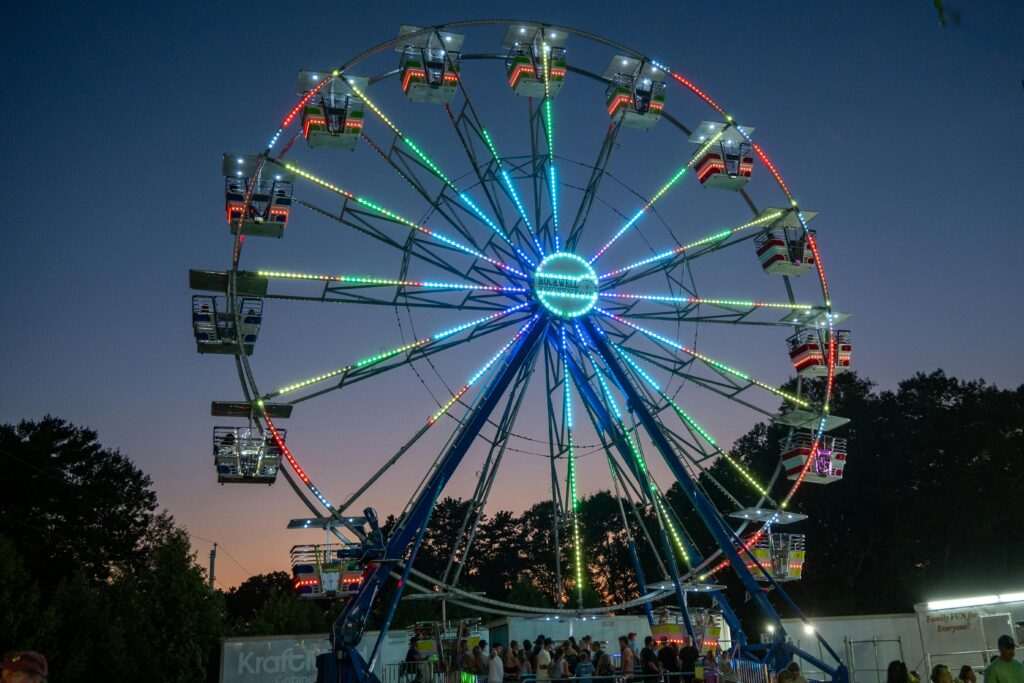
Every August, the Matanuska-Susitna Valley transforms into Alaska’s biggest celebration of agriculture, community, and sheer spectacle. The Alaska State Fair in Palmer draws more than 300,000 visitors over twelve days, making it one of the most anticipated events on the Alaska calendar. In 2026, the fair runs August 21 through September 1 — and if you have never stood next to a 100-pound cabbage, this is your year.
Dates, Location & Hours
The 2026 Alaska State Fair takes place at the fairgrounds in Palmer, about 45 miles northeast of Anchorage in the heart of the Matanuska-Susitna Valley. Palmer is Alaska’s farming hub, and the Mat-Su Valley’s extraordinary summer daylight — up to 19 hours a day — is precisely why those legendary giant vegetables exist.
Fairgrounds gates open daily at 11 a.m. Evening entertainment typically runs until 10 p.m. on weekdays and midnight on weekends. Specific event schedules are published closer to opening day, so check the official fair website for the final program as August approaches.
The Giant Vegetables: Alaska’s Most Famous Exhibit
Nothing at the Alaska State Fair draws more gasps than the Giant Vegetable Competition. Cabbages topping 130 pounds, pumpkins exceeding 1,000 pounds, zucchini longer than a child is tall — the Harvest Building is a genuine spectacle that surprises even repeat visitors. The long Alaskan summer days feed plants that grow at an almost surreal pace, and Mat-Su farmers have spent generations perfecting the art.
The weigh-off is a signature event, usually held in the first few days of the fair. Growers arrive early with their prize specimens, and crowds gather to watch the results. Plan to visit the Harvest Building in the morning when it’s less crowded and the produce is freshest. Even if oversized vegetables don’t sound compelling in the abstract, standing next to a pumpkin that outweighs you is the kind of moment you photograph and describe to people for years.
Entertainment & Events
Twelve days of programming means something is always happening. The main stage hosts evening concerts spanning country, rock, and Alaska-based artists — headline acts are announced in the weeks before opening. The rodeo is a ticketed event within the fair and draws competitors from across the Pacific Northwest; it’s a highlight for visitors who haven’t seen working rodeo competition before.
Family programming runs throughout the day. The kids’ zone has carnival rides, midway games, and hands-on agricultural exhibits where children can interact with livestock. The 4-H and FFA project displays are worth seeking out — Alaska’s young farmers and ranchers showcase work that reflects genuine skill and dedication, from preserved foods to woodworking to animal husbandry.
Check the fair schedule for cultural performances, talent competitions, and themed days that rotate across the twelve-day run. Weekends are busiest; weekday visits typically move at a more relaxed pace.
Food at the Fair
Fair food in Palmer leans into Alaska’s identity. Reindeer sausage, wild-caught salmon prepared multiple ways, and desserts built around Alaska-grown berries appear alongside standard fair staples. The Harvest Kitchen hosts cooking demonstrations and tastings that highlight Mat-Su Valley produce — if a salmon preparation demo is on the schedule, make time for it.
Vendor lineups rotate each year, so the full food map for 2026 won’t finalize until closer to opening. Bring cash for smaller booths that may not accept cards, and arrive hungry. Fair portions tend toward the generous.
Getting There from Anchorage
The drive from Anchorage to Palmer runs about 45 minutes via the Glenn Highway under normal conditions. Weekend traffic can extend that significantly — leaving before 10 a.m. or after 1 p.m. helps. The Glenn Highway drive is scenic in its own right, passing through the Eagle River valley with views of the Chugach Mountains.
For a more relaxed option, the Alaska Railroad Depot in Anchorage runs special fair trains during the event. The ride through the Matanuska Valley is a genuine experience — the scenery is spectacular, and arriving by rail eliminates the parking scramble entirely. These trains sell out well in advance, so check the Alaska Railroad schedule as soon as dates are confirmed. The depot is located in downtown Anchorage near Ship Creek, making it easy to combine with a morning start.
Fairground parking is available but fills quickly on peak days. Paid shuttle service from satellite lots operates during busy periods.
Tickets & Admission
General admission pricing for 2026 has not yet been announced. In recent years, adult tickets have run approximately $15–$17 at the gate, with discounts for seniors, children under a certain age, and military. Season passes offer good value if you’re planning multiple visits. Carnival rides require separate tickets or a wristband purchase beyond general admission.
Online ticket purchase typically includes a small discount over gate prices and is available through the fair’s official website. Starting in July, discount coupons sometimes appear at Anchorage-area grocery stores and visitor centers.
Extend Your Trip: Mat-Su Valley & Beyond
Palmer and the surrounding valley reward an overnight stay. The Matanuska Glacier, about 100 miles northeast of Palmer on the Glenn Highway, is one of the most accessible glaciers in Alaska — you can walk on the ice surface with a guided tour without any mountaineering experience. The terminal face alone, viewed from the access road, is worth the drive.
For cultural depth, the Alaska Native Heritage Center in Anchorage offers an introduction to the eleven distinct Indigenous cultural groups of Alaska, including Athabascan peoples who have inhabited the interior and Mat-Su region for thousands of years. It’s an excellent stop on the drive back to Anchorage.
What to Pack
Late August in Palmer can swing from warm and sunny to cold and rainy within a single afternoon. Layers are essential: a fleece or light jacket, a waterproof outer shell, and sturdy walking shoes will handle most conditions. The fairgrounds are primarily outdoors, so rain doesn’t stop the event — it just changes the footwear equation. Bring sunscreen for clear days when Alaska’s sun is relentless at these latitudes.
The Alaska State Fair is the kind of event that puts everything about the state in one place: the agricultural abundance, the wild scale of the landscape, the community pride, and the particular Alaskan talent for finding ways to celebrate summer before it’s gone. Give yourself a full day, go hungry, and arrive ready to be surprised by something you didn’t expect to find impressive.



No comments yet.