
Alaska Senior Travel Guide 2026: Active & Accessible Adventures in Anchorage
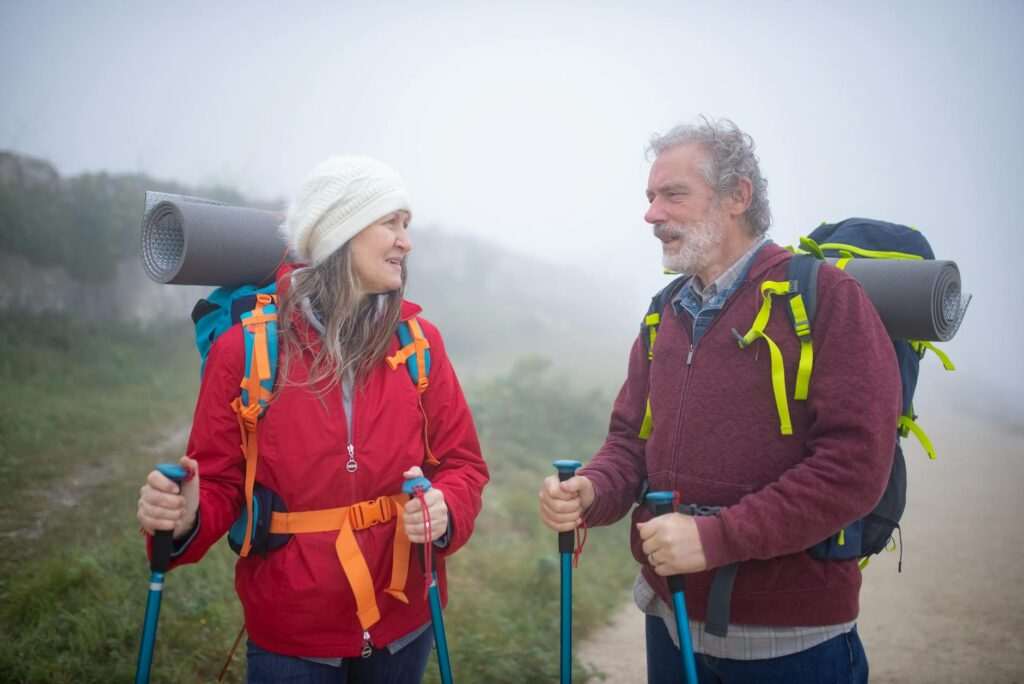
Alaska has a reputation as an extreme destination — something for serious mountaineers and wilderness veterans in their thirties. That reputation is misleading. Anchorage is a modern city with paved trails, accessible attractions, excellent medical facilities, and a tourism infrastructure that makes Alaska genuinely approachable for travelers at any age and fitness level. For active adults in their 60s, 70s, and beyond, it can deliver one of the most memorable trips of a lifetime without requiring anyone to strap crampons to their boots.
Best Time of Year to Visit
June through August is the sweet spot for senior travelers. Temperatures in Anchorage average 55–65°F, rarely pushing above 75°F or dropping below 45°F — a comfortable range for outdoor activity without the heat that makes summer travel exhausting in many destinations. Daylight is extraordinary: the solstice brings nearly 20 hours of light, and even mid-August offers long, bright evenings ideal for unhurried exploration. July and early August balance maximum daylight with the lowest probability of early-season snow at higher elevations.
Travelers who prefer fewer crowds should consider early September, when fall color arrives, temperatures remain mild, and tour operators are less crowded. This window is excellent for photography and a quieter pace at popular sites.
Accessible Trails and Outdoor Activities
The Tony Knowles Coastal Trail is Anchorage’s premier accessible outdoor experience — 11 miles of paved, relatively flat trail following the Cook Inlet coastline with mountain views in three directions. The most accessible sections run from downtown’s Elderberry Park to Westchester Lagoon, a round trip of about two miles with minimal elevation change. The trail is well-maintained, offers benches at intervals, and is used by locals of all ages and abilities. Early morning walks here in summer produce beluga whale sightings in the inlet with some regularity.
The Alaska Botanical Garden in east Anchorage offers 110 acres of curated plant collections and natural forest trails, with accessible pathways through the main garden areas. It’s a calm, unhurried experience that rewards a slow pace, and the wildflower displays in late June and July are excellent.
Earthquake Park, a small park along the Coastal Trail commemorating the 1964 Good Friday Earthquake, provides paved walking paths, interpretive exhibits, and unobstructed views of Cook Inlet and the Alaska Range. It’s a 20-minute stop that delivers significant visual and historical return for minimal physical effort.
Wildlife Viewing Without Leaving Your Vehicle
Some of Alaska’s best wildlife encounters require nothing more than a car and good timing. Potter Marsh — a state game refuge boardwalk just south of Anchorage on the Seward Highway — has paved parking, a flat elevated boardwalk, and consistent sightings of Arctic terns, ducks, sandhill cranes, and moose in the surrounding willow flats. The boardwalk is accessible by stroller or walker with some unevenness in boards.
Driving the Turnagain Arm corridor south from Anchorage on the Seward Highway puts you along one of the most scenic roads in North America, with beluga whale sightings (seasonal, July–September) from roadside pullouts, Dall sheep visible on the cliff faces above the highway, and bore tide viewing at turnouts near Girdwood. All of this is accessible from a vehicle with no hiking required.
Glacier Experiences
Glaciers are Alaska’s signature attraction, and several are genuinely accessible to visitors of all mobility levels. Portage Glacier, an hour south of Anchorage, offers boat tours that carry passengers directly to the glacier face — no hiking involved, seating provided on board, and a close-up encounter with blue-ice calving that competes with any glacier experience in the state. The visitor center at Begich-Boggs is fully accessible and provides historical context on the glacier’s significant recession over the past decades.
Accessible Cruises from Seward and Whittier
Day cruises from Seward (2.5 hours south of Anchorage) and Whittier (1 hour) put travelers into Kenai Fjords National Park and Prince William Sound respectively — some of the most wildlife-rich marine environments in the world. Major Marine Tours operates ranger-guided wildlife and glacier cruises from both ports with accessible boarding, onboard seating, and indoor heated viewing areas for passengers who want to be inside during exposed water crossings. These day cruises deliver sea otters, humpback whales, orcas, puffins, and tidewater glaciers — the Alaska experience most visitors come for — without any hiking or outdoor exposure beyond boarding.
Cultural Attractions and Senior Discounts
The Anchorage Museum is the city’s flagship cultural institution — a world-class facility covering Alaska history, Indigenous art, contemporary Alaska artists, and interactive science programming. The museum is fully accessible with elevator access to all floors, and offers senior discounts on admission. Plan two to three hours and use the café on site for a midday rest.
The Alaska Native Heritage Center, northeast of downtown, provides a comprehensive introduction to the state’s Indigenous cultures through living demonstrations, traditional structures, and museum collections. It’s set on a landscaped campus with accessible pathways, and the interpretive programming is among the best in Alaska. Senior discounts apply; check current pricing before visiting.
Additional senior discounts are available at the Alaska Zoo (one of the most relaxed and accessible wildlife encounters in the city), the Iditarod Trail Headquarters in Wasilla, and many state park visitor centers. The America the Beautiful Senior Pass ($80, available to U.S. residents 62+) provides lifetime access to national parks, national forests, and BLM lands — a worthwhile purchase that pays for itself on a single Alaska trip given the number of federally managed sites along the Seward and Glenn highways.
Senior-Friendly Lodging
Downtown Anchorage hotels offer the most practical base for senior travelers — walkable to restaurants, the Coastal Trail, the Museum, and the transit center. Look for properties with elevator access, confirmed ground-floor or accessible-room availability, and on-site dining. The Hilton Anchorage, Marriott Downtown, and Hotel Captain Cook are all central, full-service properties with elevators and accessible rooms bookable directly. Request accessible rooms at reservation time and confirm ahead of arrival.
Medical Facilities
Anchorage has solid medical infrastructure for a city its size. Providence Alaska Medical Center (3200 Providence Drive) is the largest hospital in the state and provides full emergency services. Alaska Regional Hospital on DeBarr Road is the other main acute-care facility. Multiple urgent care clinics operate throughout the city for non-emergency needs, and every major pharmacy chain (CVS equivalent through Fred Meyer, Walgreens) is represented in central Anchorage. Travelers managing prescriptions should bring a sufficient supply and carry copies of prescriptions; specialty medications may not be available at local pharmacies.
Guided Tours for a Relaxed Pace
Several Anchorage tour operators run small-group and private tours that can be customized for pace and accessibility needs. Trolley tours of downtown Anchorage cover the major historic and cultural sites with minimal walking. Gray Line Alaska operates day tours to the Matanuska Glacier, the Alaska Wildlife Conservation Center, and Denali with coach transportation and rest stops built in. For visitors who want expert guidance without rigid schedules, private guide services can structure a personalized itinerary around your interests and pace.
The premise worth holding onto: Alaska’s most powerful experiences — the scale of the mountains, the wildlife encounters, the quality of the light — are accessible to anyone who shows up for them. The logistics are manageable. What you bring is curiosity.
Photo: Kampus Production / Pexels

No comments yet.