
Alaska SeaLife Center 2026: Seward Aquarium & Wildlife Guide
The Alaska SeaLife Center sits on the Resurrection Bay waterfront in Seward, two and a half hours south of Anchorage, and it’s unlike any aquarium you’ve visited before. Alaska’s only public aquarium is also an active ocean wildlife research and rescue facility — the animals you see are here for real reasons, and the science happening behind the walls is genuine. For families, wildlife enthusiasts, and anyone curious about the North Pacific ecosystem, it’s one of Alaska’s best value stops.
Steller Sea Lions
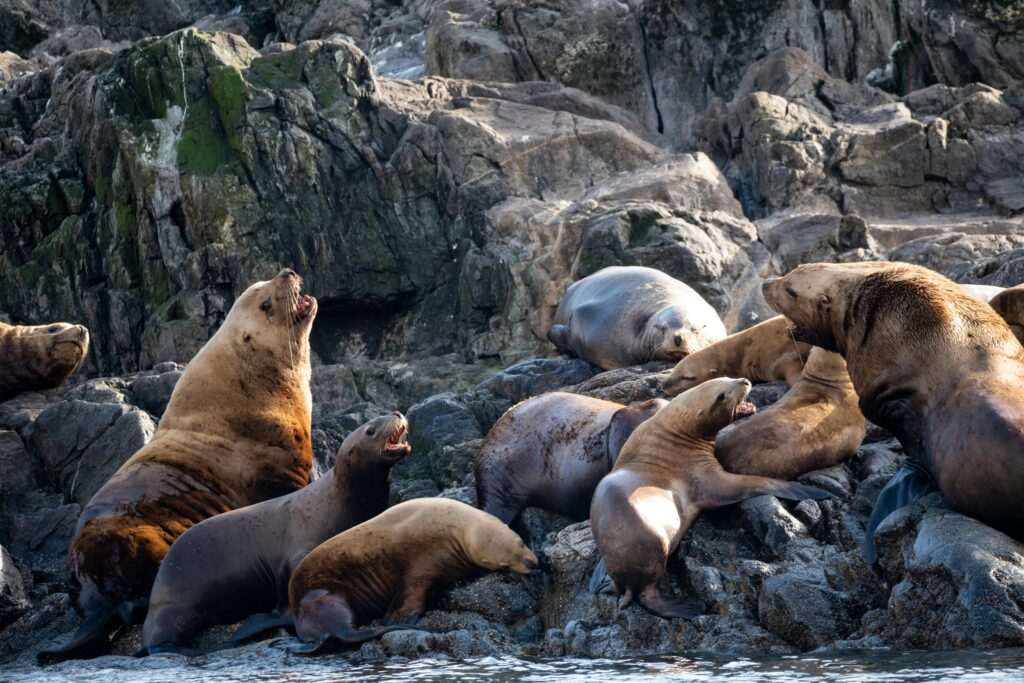
The defining exhibit at the Alaska SeaLife Center is the Steller sea lion habitat — a massive, multi-level tank that allows underwater viewing of these enormous animals from below. Steller sea lions are the largest of the eared seals, with adult males reaching up to 1,200 pounds, and watching them move through the water at speed is genuinely startling. The tank gives visitors both surface-level and deep underwater perspectives. It’s the kind of wildlife encounter that stops people in their tracks, and it’s the memory most visitors take home.
Harbor Seals
The harbor seal exhibit typically houses animals that were rescued from the wild but can’t be released — due to injury, human imprinting, or other factors that make independent survival impossible. This context matters: these aren’t animals captured for display, but individuals that would otherwise not survive. The exhibit explains each animal’s history and the rescue and rehabilitation work the center performs continuously. It brings a conservation dimension to the visit that a typical aquarium rarely achieves.
Puffins and Seabirds
The ASLC houses a live seabird colony that includes both tufted and horned puffins — the two puffin species found in Alaska — alongside common murres and black-legged kittiwakes. The colony exhibit recreates a rocky cliff face with an underwater viewing window where you can watch puffins dive and swim. Puffins are comically charming birds in person, and the underwater swimming footage is one of the exhibit’s highlights. The seabird colony is one of the most complete cold-water seabird displays in North America.
Marine Life Tanks
Beyond the megafauna, the center’s fish and invertebrate tanks cover the full range of North Pacific marine life. The giant Pacific octopus is a perennial favorite — these intelligent cephalopods can reach arm spans of 14 feet and are strikingly active when engaged by staff during feeding demonstrations. King crab, Dungeness crab, rockfish, Pacific halibut, and sockeye salmon round out a collection that represents what lives in the waters just outside the building.
Touch Tanks
The touch tank area allows hands-on interaction with sea stars, sea anemones, sea urchins, and other intertidal invertebrates under staff supervision. It’s consistently the most popular spot for children and tends to draw adults equally. Budget extra time here if you’re visiting with kids — the queue can develop on busy days in peak summer.
Research and Rescue Mission
The Alaska SeaLife Center operates as a working research institution, not purely a public attraction. The facility conducts original research on North Pacific marine species and serves as Alaska’s primary marine mammal and seabird rescue and rehabilitation center. Animals brought in from oil spills, entanglement injuries, or other human-caused harm are treated and, when possible, returned to the wild. This dual role gives the visitor experience an authenticity and depth that distinguishes it from commercial aquariums.
Practical Information
Location: 301 Railway Ave, Seward — on the waterfront, walking distance from the Small Boat Harbor.
Admission: Approximately $29.95 adults, $24.95 seniors, $19.95 youth 3–12, free under 3.
Plan: 2–3 hours minimum. The center is open year-round, with expanded summer hours. Check current hours at alaskasealife.org.
Getting to Seward: A 2.5-hour drive via the Seward Highway, or via the Alaska Railroad, which runs a seasonal Seward route with stunning mountain and coastal scenery.
Combining Seward Attractions
The SeaLife Center pairs naturally with the Kenai Fjords boat tours departing from the adjacent Small Boat Harbor — marine wildlife on the boat often mirrors what you’ll see in the exhibits, and the comparison is illuminating. Exit Glacier, 9 miles from downtown Seward and free to visit, makes an excellent morning stop before the aquarium. The Seward waterfront itself has cafés, seafood restaurants, and shops worth a browse before the drive back to Anchorage.
Planning Tips
- Arrive in the morning: The SeaLife Center opens at 9 a.m. and feeding demonstrations run throughout the day, with the first sessions in the early hours. Arriving early means smaller crowds and more active animal behavior at the exhibits.
- Combine with a boat tour: The most efficient Seward day pairs a morning at the SeaLife Center with an afternoon Kenai Fjords boat tour. Seeing sea otters, puffins, and sea lions in exhibits and then encountering the same species in the wild creates one of the best wildlife days available anywhere in Alaska.
- Allow time for the touch tanks: If you’re visiting with children, the touch tank area reliably becomes the longest stop. Budget extra time rather than rushing it — the staff-supervised interactions are a consistent highlight for young visitors and tend to draw adults equally.
- Year-round access: The SeaLife Center operates year-round, though summer brings the largest crowds. Off-season visits offer a quieter experience — particularly good for visitors who want extended time with the exhibits without navigating peak-season crowds.
Frequently Asked Questions
Where is the Alaska SeaLife Center?
The Alaska SeaLife Center is at 301 Railway Ave in Seward — on the Resurrection Bay waterfront, walking distance from the Small Boat Harbor. Seward is approximately 2.5 hours from Anchorage via the Seward Highway or accessible by seasonal Alaska Railroad service.
How much does the Alaska SeaLife Center cost?
Admission runs approximately $29.95 for adults, $24.95 for seniors, $19.95 for youth ages 3–12, and free for children under 3. The center is open year-round; check current hours at alaskasealife.org as hours vary by season.
Is the Alaska SeaLife Center worth visiting?
Yes — especially for visitors combining it with a Kenai Fjords boat tour on the same day. The SeaLife Center functions as both a public aquarium and an active marine rescue and research facility, which gives the visit a depth and authenticity that a typical tourist attraction doesn’t match. The Steller sea lion tank alone — with its massive underwater viewing windows — is one of the most striking wildlife exhibits in the state.




No comments yet.