
Alaska Native Heritage Center 2026 — Complete Visitor Guide
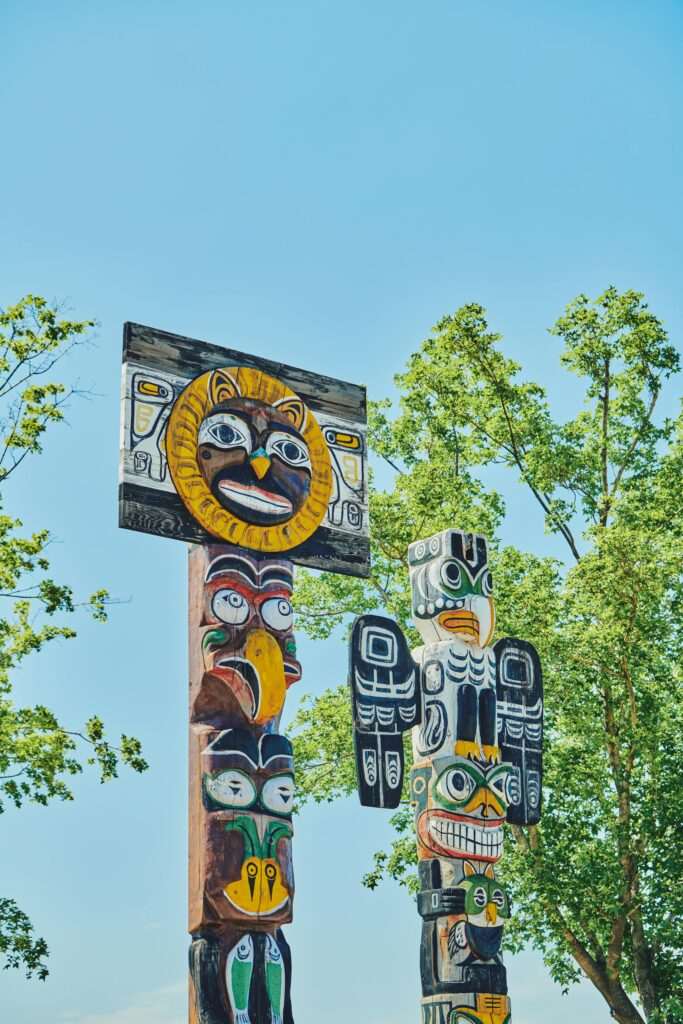
The Alaska Native Heritage Center stands as Anchorage’s most important cultural institution and one of the most significant museums of indigenous culture in the United States. Opened in 1999 on a 26-acre campus in northeast Anchorage, the Heritage Center is not a static archive but a living institution — staffed by Alaska Native cultural demonstrators who share their traditions directly with visitors across six outdoor village sites, a performance hall, and permanent exhibit galleries. For anyone visiting Alaska who wants to understand the people who have lived here for thousands of years, the Heritage Center is the essential stop. No other site in the state brings together the cultural traditions of all eleven distinct Alaska Native groups in one place.
The Eleven Alaska Native Cultures
Alaska’s indigenous cultures are not monolithic. The Heritage Center’s organizing principle is that eleven distinct cultural groups have called Alaska home — and that their traditions, languages, architectures, and relationships with the land differ significantly from one another. Those groups are: Athabascan, Yupik, Cup’ik, Alutiiq (Sugpiaq), Unangan/Aleut, St. Lawrence Island Yupik, Inupiaq, Eyak, Tlingit, Haida, and Tsimshian. The geographic range these cultures cover spans from Southeast Alaska’s temperate rainforests to the Bering Sea coast to the interior boreal forests to the High Arctic tundra. The Heritage Center’s architecture, exhibits, and programming are organized around introducing visitors to all eleven traditions, their differences, and their common roots in a land that has supported human life for at least 13,000 years.
Location and Getting There
The Alaska Native Heritage Center is located at 8800 Heritage Center Drive in northeast Anchorage, approximately 15 minutes by car from downtown. The campus is not walkable from downtown or from most hotels, and public transit options are limited, so most visitors arrive by rental car, rideshare, or tour bus. The Heritage Center is commonly included in organized Anchorage day tours; if you are traveling without a car, checking whether your hotel or tour operator offers transportation is worthwhile. Parking is free on-site. The campus is open seasonally, with full programming typically running mid-May through early September; reduced hours and limited programming are available in the shoulder season. Verify current hours at alaskanative.net before visiting.
Admission is priced to be accessible: approximately $24.95 for adults, $21.95 for seniors, and $16.95 for youth at recent rates, though pricing is subject to change. Alaska residents receive discounted admission, and military discounts are also typically available. Combination tickets that pair the Heritage Center with the Anchorage Museum are sometimes offered and represent good value for visitors planning a full Alaska culture day.
The Welcome House
The main building, called the Welcome House, serves as the orientation hub for the entire campus. Entering through the Welcome House, visitors encounter a large central hearth — an architectural echo of the gathering fires that anchored community life across Alaska Native cultures for millennia. The walls and ceiling display traditional art installations that introduce the aesthetic traditions of the eleven cultures without overwhelming visitors before they have context. Staff at the front desk can advise on the daily performance schedule and recommend a walking route through the outdoor sites based on how much time you have.
The Welcome House also contains one of the finest Alaska Native art and craft retail shops in the state. The gift shop is not a typical museum store — it sells authentic Alaska Native art directly sourced from Native artists, including carved ivory and bone, beadwork, regalia textiles, baskets, and prints. Purchasing here means money goes directly to indigenous artists and to the Heritage Center’s operating budget. For visitors looking to bring home Alaska Native art rather than mass-produced souvenirs, the Welcome House shop is the best single source in Anchorage.
The Village Sites
The outdoor village sites are the Heritage Center’s most distinctive and irreplaceable feature. Six traditional dwelling structures, each representing a different Alaska Native architectural tradition, are arranged around a lake on the 26-acre grounds. No other museum in the world has assembled this range of Alaska Native traditional architecture in a single location, and in summer, each site is staffed by a cultural demonstrator from that tradition who shares their community’s stories, demonstrates traditional crafts and skills, and answers visitor questions directly.
The Athabascan site features a log cache and dwelling representing the Interior Alaska woodland tradition. Athabascan peoples have inhabited Alaska’s vast boreal interior for thousands of years, and their architecture reflects adaptations to a landscape of spruce forests, rivers, and extreme seasonal temperature swings. Demonstrators at this site often discuss traditional hunting practices, birch bark crafts, and the oral traditions that preserved knowledge across generations without a written language.
The Yupik and Cup’ik site reconstructs a semi-subterranean sod dwelling, a form of architecture developed over millennia for life on the Bering Sea coastal tundra where trees are scarce and insulation from arctic winds is essential. Yupik people represent the largest Alaska Native population; Cup’ik people are a related group from Nunivak Island with a distinct dialect and cultural tradition. The semi-subterranean design, with its low entrance tunnel that traps warm air, is a remarkable engineering solution to the challenge of staying warm in one of the harshest climates on earth.
The Alutiiq/Sugpiaq barabara represents the culture of the Kodiak Archipelago and the Alaska Peninsula — a marine people who developed sophisticated ocean-going technology including the baidarka (kayak) and mastered the rich waters of the Gulf of Alaska. The Inupiaq and St. Lawrence Island Yupik site reflects High Arctic traditions, from the coastal whaling culture of the North Slope to the communities of St. Lawrence Island in the Bering Sea. The Northwest Coast tribal house represents the Tlingit, Haida, and Tsimshian traditions of Southeast Alaska — the cultures that produced the elaborate totem poles, cedar formline art, and sophisticated ranked social systems that have become among the most recognized indigenous art traditions in the world. The Unangan/Aleut site represents the people of the Aleutian Islands, who developed one of the world’s most advanced small-boat seafaring cultures across a 1,100-mile volcanic archipelago.
The quality of your outdoor experience depends significantly on whether demonstrators are present. In peak summer (mid-June through August), all six sites typically have demonstrators. In May, early June, and September, demonstrators are present at most but not necessarily all sites. In the off-season, the structures can still be viewed but without the living cultural context that makes them come alive.
Cultural Performances
Traditional Alaska Native dance performances are held multiple times daily in summer in the Gathering Place performance hall inside the Welcome House. These performances feature traditional drumming, regalia, and storytelling dances from several of the represented cultures. Alaska Native dance is not merely decorative; it is a vehicle for transmitting cultural knowledge, community identity, and spiritual tradition that survived the pressures of colonization because communities maintained and revived it. Watching a performance at the Heritage Center — led by indigenous dancers performing their own traditions — is categorically different from watching a cultural performance staged for tourist consumption. The authenticity is apparent.
Performance schedules vary by season and day, and they can change without notice based on staffing and community events. Check the current schedule at the front desk when you arrive, or look at the Heritage Center’s website before your visit. Arriving at the Heritage Center without checking the performance schedule and missing the day’s performance is a common visitor regret.
The Hall of Cultures and Exhibits
Inside the Welcome House, the Hall of Cultures houses permanent exhibits on the history, art, and traditions of each of the eleven cultural groups. The exhibit design is thoughtful: rather than presenting Alaska Native cultures as historical objects, the Hall of Cultures frames each tradition as living and continuing. Video installations feature community members speaking in their own languages and discussing how their traditions have evolved and persisted. Artifact displays include traditional tools, clothing, and art objects with contextual interpretation that explains their function and cultural significance rather than treating them as curiosities.
Rotating special exhibitions address contemporary issues, historical events, and specific cultural topics in more depth than the permanent galleries can provide. These exhibitions change seasonally; check the Heritage Center’s website to see what is current during your visit.
Planning Your Visit
Allow two to three hours for a complete visit that includes all six outdoor village sites and one indoor cultural performance. Visitors who rush through in under an hour will miss most of what makes the Heritage Center valuable. The outdoor sites require walking across the campus, which is accessible but does involve uneven terrain in places — flat, comfortable footwear is appropriate. Alaska weather being unpredictable, a light rain layer is worth having even in summer.
Photography is generally welcomed throughout the campus, including at the village sites. The standard courtesy applies: ask a demonstrator before photographing them specifically. Most demonstrators are accustomed to the question and will indicate whether they are comfortable being photographed. Do not photograph regalia, ceremonial objects, or sacred items without explicit permission — the Heritage Center’s staff will indicate when this applies.
The Heritage Center pairs naturally with the Anchorage Museum downtown. The Anchorage Museum’s Smithsonian Arctic Studies Center holds approximately 600 Alaska Native objects with community-curated interpretation, approaching indigenous material culture from a complementary angle. Together, the two institutions provide the most comprehensive introduction to Alaska Native history and contemporary culture available in Anchorage. Many visitors plan the Heritage Center in the morning, when energy is high for the outdoor walking and the performance schedule is typically most active, and the Anchorage Museum in the afternoon. Anchorage’s other historic house museum — the Oscar Anderson House Museum, the city’s oldest surviving wood-frame house (1915) — is a brief detour from downtown worth combining with a waterfront walk.
The Heritage Center’s café serves food during peak season — useful given the 15-minute drive from downtown. For a full day out, plan to eat there or pack your own food rather than discovering mid-afternoon that the return trip to Anchorage for lunch broke the day’s rhythm.
One note that matters: every dollar spent at the Heritage Center — admission, gift shop, café — goes directly to Alaska Native community institutions. The Heritage Center is governed by a consortium of Alaska Native organizations and exists specifically to generate revenue for those communities while educating the broader public. Visiting the Heritage Center is one of the most meaningful ways a traveler can ensure their Alaska tourist spending benefits Alaska Native people directly.


No comments yet.