
Alaska Native Culture & Heritage Experiences in Anchorage 2026
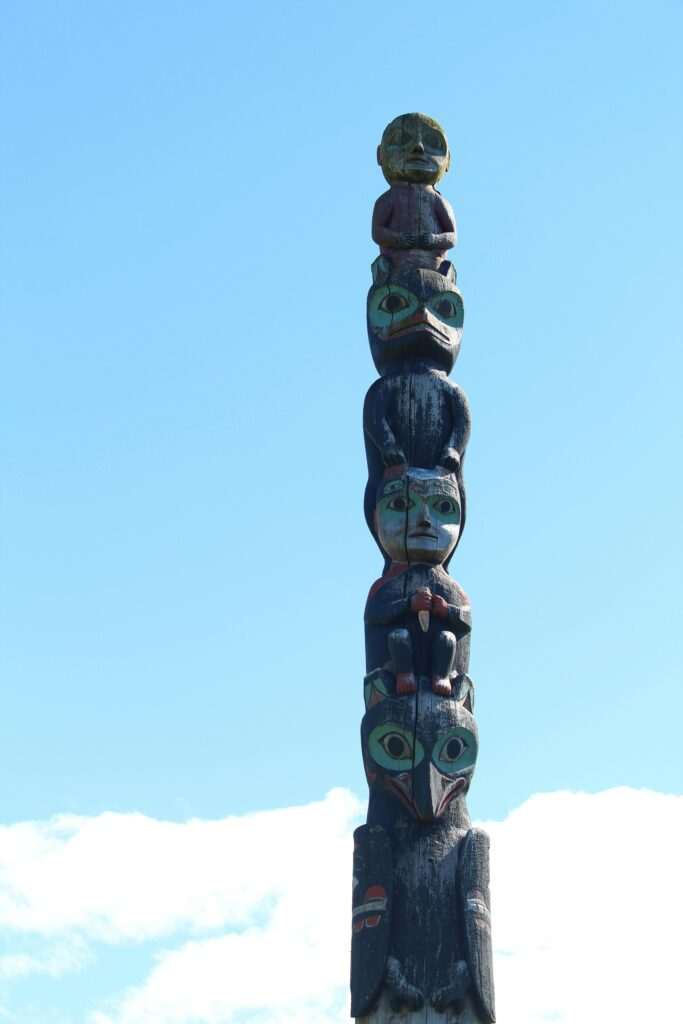
Anchorage is home to Alaska’s largest Alaska Native population, and the city offers access to cultural experiences that are genuinely difficult to find elsewhere in the United States. Over 100 distinct Alaska Native cultural groups — including Athabascan, Yup’ik, Cup’ik, Inupiaq, Alutiiq, Eyak, Tlingit, Haida, and Tsimshian peoples — are represented in Alaska, and Anchorage’s role as the state’s central hub means that their presence, art, and cultural institutions are woven through the city. The two flagship destinations — the Alaska Native Heritage Center and the Anchorage Museum’s Smithsonian Arctic Studies Center — provide the most comprehensive publicly accessible Alaska Native cultural experiences in the state. This guide covers both in detail, alongside art purchasing guidance, cultural events, and the Eklutna Historical Park for visitors who want to extend their cultural itinerary thirty minutes north of the city.
Alaska Native Heritage Center
The Alaska Native Heritage Center on the Glenn Highway, fifteen minutes east of downtown Anchorage, is the premier destination for Alaska Native cultural education in the state. The center was built by and for Alaska Native peoples and serves as a living cultural institution — not a static exhibition of historical artifacts, but an active place where Alaska Native artists, educators, and performers work year-round.
The campus is organized around a central Welcome House and a one-mile outdoor trail that circles a lake, with six village site reconstructions representing the major Alaska Native cultural regions: Athabascan, Unangax (Aleut), Alutiiq, Yup’ik and Cup’ik, Inupiaq, and Southeast Alaska (Tlingit, Haida, and Tsimshian). Each site includes traditional structures — winter houses, fish camps, summer dwellings — that are sized and positioned to convey how the architecture responds to the specific environment and seasonal patterns of each region. Alaska Native staff at each site explain the structures’ functions and the cultural practices they supported.
Inside the Welcome House, the Gathering Place hosts traditional dance performances, storytelling, and art demonstrations throughout the day during summer months. These are not staged tourist performances — the dancers, storytellers, and artists are Alaska Native community members presenting their own cultural traditions to an audience. The schedule of daily programming is posted at the entrance; plan to spend at least three hours on site if you want to see both the outdoor village trail and the indoor demonstrations.
Admission runs approximately $25–30 for adults, less for children and Alaska residents. The center’s gift shop sells authentic Alaska Native artwork and crafts — verified as genuinely made by Alaska Native artists, not imported imitations. The Heritage Center is open May through September; hours and specific programming vary, so check current scheduling directly before visiting. The Glenn Highway location puts it close to the Chugach foothills and is easily combined with a drive up toward the Eagle River valley.
Anchorage Museum: Smithsonian Arctic Studies Center
Downtown Anchorage’s Anchorage Museum houses the Smithsonian Arctic Studies Center — a permanent gallery of Alaska Native cultural objects that represents one of the most significant collections of its kind accessible to the public. The Smithsonian partnership brings objects from the national collections directly to Alaska, including tools, clothing, ceremonial items, and artwork spanning thousands of years of Alaska Native history and representing all major cultural groups across the state.
The Alaska Native collection is the museum’s anchor, but the building covers considerably more: Alaska history from Indigenous occupation through the gold rush and statehood, a science gallery focused on Alaska’s ecosystems and climate, and rotating special exhibitions that frequently feature contemporary Alaska Native artists. The museum hosts live demonstrations and artist residencies during summer months, with Alaska Native artists working in residence and available for questions.
One of the most distinctive aspects of the museum’s approach is its treatment of Alaska Native cultures as living and contemporary, not relegated to a historical past. The collections include both ancient objects and work by current artists, and the interpretive framing is collaborative with Alaska Native community partners rather than purely academic. This matters to visitors — it changes the tenor of the experience from observation of a finished culture to engagement with ongoing traditions.
The museum’s free admission days (typically the first Friday of each month) make it accessible without planning around a ticket purchase. General admission runs approximately $20 for adults. The museum is open year-round, making it one of the few Alaska Native cultural experiences accessible during an Anchorage winter visit. Combined with a visit to the Oscar Anderson House Museum — Anchorage’s oldest standing home and a window into the city’s early settlement history — the museum forms the core of a downtown cultural afternoon.
Purchasing Authentic Alaska Native Art
Alaska Native art is one of the most significant cultural exports in the state and also one of the most frequently counterfeited. Mass-produced imitation carvings, jewelry, and baskets — often manufactured overseas — are marketed as “Alaskan” or “native-style” in airport shops and souvenir stores throughout the state. Understanding how to distinguish authentic work matters both to buyers who want the genuine article and to the Alaska Native artists whose income depends on that distinction.
The Indian Arts and Crafts Act (IACA) is a federal truth-in-advertising law that makes it illegal to misrepresent the origin of Native American and Alaska Native artwork. Authentic Alaska Native-made items can display the state-certified “Silver Hand” symbol — a stylized hand indicating the work was made by an Alaska Native artist. The silver hand appears on labels, hang tags, or packaging attached to the item. Items without this mark may still be genuine, but the mark provides legal verification.
The Alaska Native Heritage Center gift shop and the Anchorage Museum store are two of the most reliable sources for verified authentic work in the city. The Heritage Center’s shop is staffed by people who know the artists and can speak to the provenance of specific items. For higher-end work — scrimshaw on fossil ivory, woven grass baskets, carved wooden pieces — the Heritage Center and museum shops are worth the time before purchasing elsewhere. Several galleries in downtown Anchorage along 4th Avenue sell authentic Alaska Native work; look for the Silver Hand designation and staff who can answer questions about the specific artist and cultural group.
Prices for authentic Alaska Native artwork reflect genuine labor and cultural knowledge. A finely woven grass basket from a Yup’ik artist can run several hundred dollars. Carved ivory jewelry starts in the $50–150 range for smaller pieces and increases substantially with complexity. Expecting to find high-quality authentic Alaska Native art at souvenir shop prices is not realistic; work that seems too cheap almost certainly is not what it represents.
Eklutna Historical Park
The Eklutna Historical Park, thirty miles northeast of Anchorage on the Glenn Highway, is one of the oldest continuously inhabited sites in the Anchorage area — the Eklutna Athabascan village has been occupied for at least 800 years. The park is maintained by the Eklutna village community and includes a small Russian Orthodox church dating to the 1830s, a historic cemetery with traditional Athabascan spirit houses, and interpretive materials explaining the cultural collision between indigenous Dena’ina Athabascan traditions and Russian Orthodox Christianity that began in the nineteenth century.
The spirit houses in the cemetery are the most visually distinct feature of the site. When an Eklutna community member died, family members built a small house over the grave, painted in colors specific to the deceased’s family. The tradition blended indigenous Athabascan burial practices with Russian Orthodox influence, producing a form found nowhere else in Alaska. The cemetery is still in active use by the Eklutna community. Respectful, quiet visitation is expected — this is not a recreation site but a living sacred space still connected to the community whose ancestors it memorializes.
The park is open May through September with guided tours available. Admission is modest, typically $5–10 per person. The site can be combined with a stop at Eklutna Lake or the Eklutna Tailrace for visitors making a day of the Glenn Highway corridor north of Anchorage. The drive takes thirty minutes from downtown and the site itself requires about ninety minutes for a thorough visit with a guided tour.
Cultural Events
The Iditarod Fur Rendezvous (Fur Rondy) in late February is Anchorage’s oldest winter festival and includes a Native Arts and Crafts Fair with Alaska Native vendors selling work during the event weekend. The event is free to attend and provides one of the largest concentrations of Alaska Native artists selling directly to the public available in Anchorage.
The Alaska Federation of Natives annual convention, held in Anchorage each October, is the largest Alaska Native gathering in the state and includes a trade show open to the public with Native vendors, cultural demonstrations, and artwork sales. Attendance at the trade show portions is free. The convention draws participants from across Alaska and represents the broadest cross-section of Alaska Native cultures accessible in a single event.
The summer solstice in late June is marked by informal celebrations and cultural events at both the Heritage Center and the Anchorage Museum. The longest day of the year has deep cultural significance across multiple Alaska Native traditions, and the Heritage Center typically hosts extended programming around the solstice that is worth checking when planning a late June visit.
Respectful Visitation
Alaska Native cultural sites and events are not theme parks or entertainment venues — they are living expressions of cultures that have maintained continuous presence in this landscape for thousands of years, through periods of colonization and cultural disruption that are recent history, not ancient. Respectful visitation is straightforward: ask before photographing people or ceremonial spaces, follow posted guidance at each site, purchase from verified authentic sources, and approach demonstrations with the interest and attention you would give any expert explaining their practice.
At the Alaska Native Heritage Center, photography of outdoor village sites is generally welcomed; photography inside performances and ceremonies follows the guidance of the individual presenter. At Eklutna Historical Park, the cemetery requires quiet and respect — treat it as you would any active cemetery in any culture. At both sites, Alaska Native staff are present to answer questions and appreciate genuine curiosity about cultural history and practice.

No comments yet.