
Alaska Glacier Calving 2026: Where to Watch Ice Crash Into the Sea
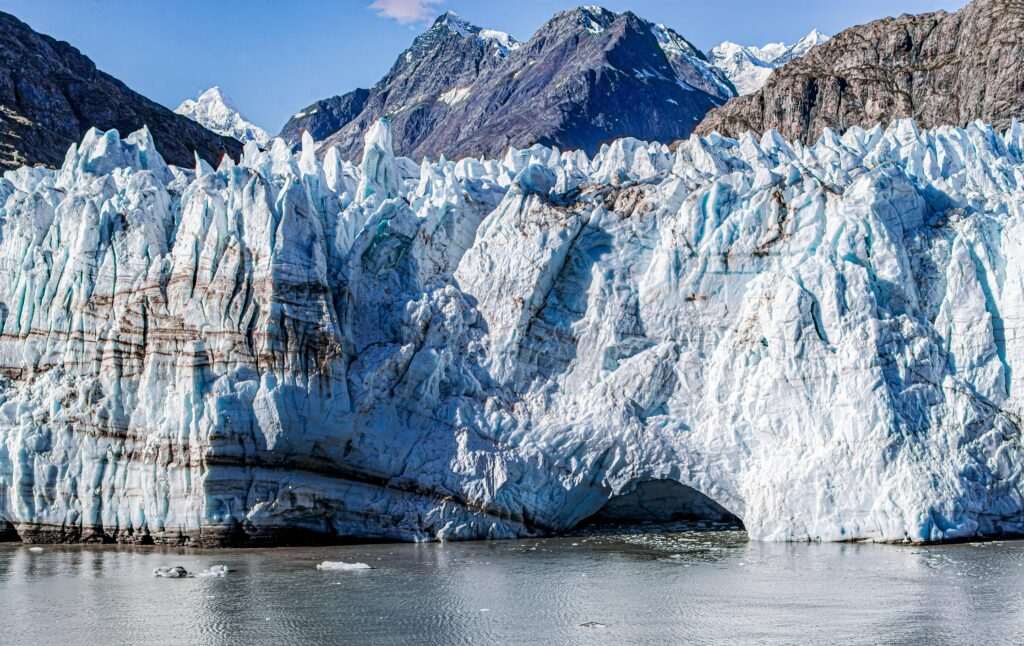
Glacier calving is one of those phenomena that is simply impossible to adequately describe. You hear it first — a crack like a rifle shot, followed by a deep groan, followed by a roar as a mass of ice the size of a house or an apartment building separates from the glacier face and plunges into the water below. The wave it generates can rock a boat a quarter mile away. Then the ice bobs to the surface, bright white or vivid blue, and joins the floating field of bergs that mark every active tidewater glacier in Alaska.
Alaska has more tidewater glaciers than the rest of the world combined outside of Antarctica and Greenland. For visitors based in Anchorage, the calving glaciers are accessible by day trip, overnight tour, or cruise. This guide covers the best options for 2026.
Kenai Fjords National Park: The Most Accessible Option
Seward, about 130 miles south of Anchorage on the Seward Highway, is the gateway to Kenai Fjords National Park and the most practical calving destination for most Anchorage visitors. The park’s coastline holds 40 glaciers, of which more than a dozen reach tidewater and calve actively.
Day cruise operators — including Seward Ocean Excursions — run regularly from Seward’s Small Boat Harbor from late April through September. The standard Northwestern Fjord cruise takes eight to nine hours and visits multiple glaciers — Aialik, Northwestern, and Holgate are the most frequently visited tidewater faces. Half-day Resurrection Bay cruises are shorter but still reach Bear Glacier Lagoon, where icebergs calved from Bear Glacier float in a turquoise meltwater lake.
Kenai Fjords Tours, Tidewater Glacier Expeditions, and Major Marine Tours are the primary operators; both run on the same fjords and offer narrated wildlife spotting alongside the glacier viewing. Expect to see sea otters, Steller sea lions, harbor seals hauled out on ice, puffins, and (frequently) humpback and orca whales on the same trip. Book in advance for summer — the half-day tours sell out most weekends from late June through August.
The best calving viewing at Kenai Fjords is during calm-sea days in late June through August. The glaciers are most visually active in afternoon hours when surface melt has been building through the day, though calving is unpredictable and happens at any hour.
Columbia Glacier Near Valdez: A Glacier in Retreat
Columbia Glacier, accessed by boat from Valdez (about 300 miles from Anchorage), is one of the most dramatically retreating tidewater glaciers in Alaska. The glacier has lost nearly 20 miles in length over the past four decades, and that retreat means active, ongoing calving at a scale that rivals anything in Kenai Fjords.
The approach to Columbia Glacier is through Prince William Sound, itself one of the most beautiful waterways in Alaska — a labyrinth of forested islands, hanging glaciers, and protected channels. Lu-Lu Belle Glacier Wildlife Cruises and Stan Stephens Glacier & Wildlife Cruises are the primary operators running full-day tours from Valdez.
Columbia Glacier is also reachable as a charter flight from Anchorage for visitors who want to see the glacier face from the air — the aerial perspective of the retreating tongue and the floating debris field below it is extraordinary.
Hubbard Glacier: North America’s Largest Tidewater Glacier
Hubbard Glacier, near Yakutat in the far southeast corner of Alaska, is a different category of glacier calving experience. At nine miles wide at its face and advancing (unlike most Alaska glaciers, Hubbard is growing, not retreating), the scale of the calving events is measured differently. The glacier occasionally advances enough to dam the entrance to Russell Fjord — an event that makes international news when it happens.
For most visitors, Hubbard is reached by cruise ship — it is a standard waypoint on Alaska Inside Passage and Gulf of Alaska cruises departing from Seattle, Vancouver, and Seward. From Anchorage specifically, small plane charters to Yakutat provide access for those who want to see the glacier without a multi-day cruise itinerary.
Small boat tours operate from Yakutat when weather permits, getting visitors significantly closer to the face than any cruise ship can approach. The calving noise and wave activity at Hubbard is unlike anything else in Alaska — it is the loudest and most physically felt glacier calving experience accessible in the state.
Glacier Bay National Park: UNESCO World Heritage Status
Glacier Bay, accessible via Juneau by floatplane or ferry, is UNESCO World Heritage-listed and contains some of the most studied glacier calving fronts in the world. Margerie Glacier at the head of the Tarr Inlet is the most visited calving face in the park — tour boats park nearby and wait, sometimes for hours, for calving events that happen several times daily at peak season.
Day trips to Glacier Bay from Juneau run from May through September. From Anchorage, Glacier Bay requires a flight to Juneau plus the day tour — a feasible two-day itinerary for visitors who want to add it to a broader Alaska trip.
Portage Lake and Portage Glacier
For visitors without time for a full-day boat tour, Portage Glacier — 50 miles south of Anchorage in the Chugach Mountains — offers calving on a smaller, more approachable scale. The glacier has retreated significantly over the past century and is no longer visible from the Portage Visitor Center, but the Ptarmigan Express boat tour crosses Portage Lake to reach the glacier face, where small to moderate calving events occur.
The advantage of Portage is proximity — it’s a half-day trip from Anchorage rather than a full day, and the lake setting surrounded by Chugach peaks is beautiful in its own right. It’s not the thunderous multi-story calving of Hubbard or Columbia, but it is a genuine tidewater calving experience within easy reach.
What to Expect and Safety
Active calving glaciers maintain a strict safety perimeter — tour operators position their boats at minimum safe distances mandated by the National Park Service and U.S. Coast Guard. These distances vary by glacier but are typically a quarter to half mile from the face. Even at that distance, calving waves reach the boat; most passengers feel the swell but nothing dramatic unless a major event occurs.
Kayaking near calving glaciers is permitted in some areas but requires experience and judgment. A large calving event can generate waves large enough to capsize an unprepared kayaker. Guided kayak tours that approach calving fronts brief paddlers specifically on this risk and maintain safe positioning.
Best Time to See Calving
Glacier calving happens year-round, but the most dramatic viewing season in Alaska runs from late May through September, when boat access is reliable and ice debris in the fjords is at its most concentrated. July and August typically offer the most active calving events at most glaciers, driven by warmer surface temperatures and increased meltwater lubricating the glacier base.
Early summer (May–June) has longer daylight, fewer crowds, and the glaciers still carry their winter blue ice coloration. Late summer (August–September) often means calmer seas, drier weather, and the added spectacle of humpback whales feeding in the same fjords.
Getting to the Glaciers from Anchorage
Kenai Fjords (Seward): 2.5 hours by car. Drive the Seward Highway and book a tour from the Small Boat Harbor. Day trip possible with an early start.
Columbia Glacier (Valdez): 5.5 hours by car via the Glenn Highway and Richardson Highway, or a 45-minute charter flight. Day trip feasible by air; plan an overnight for the drive.
Hubbard Glacier (Yakutat): No road access. Charter flights from Anchorage take 1.5 hours. Plan as an overnight or as part of a cruise itinerary.
Glacier Bay (Juneau): No road access. Fly from Anchorage to Juneau (1 hour), then day tour. Two-day itinerary minimum.

No comments yet.