
Stone Carving Classes and Workshops in Anchorage: Soapstone, Alabaster, and Sculpture
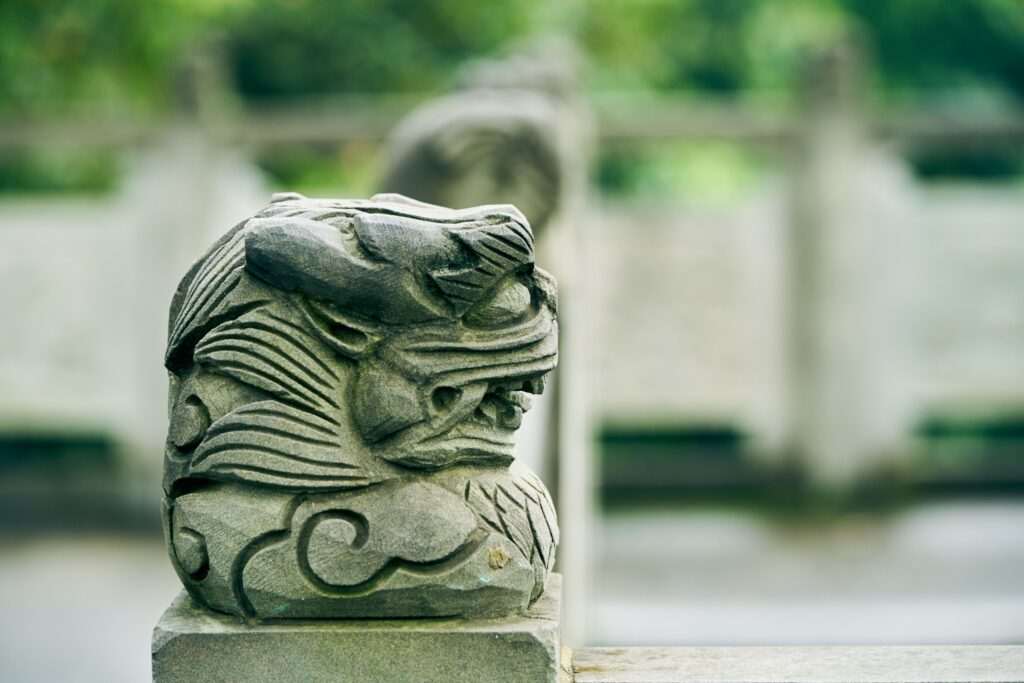
Stone carving is among the most permanent and ancient sculptural traditions in human art — the carved stone figures, relief panels, and architectural ornament produced by cultures across thousands of years of human history have survived when nearly everything else from those civilizations has been lost. The material’s permanence is part of its appeal to contemporary practitioners: a hand-carved stone piece has a physical weight and durability that no other sculptural medium replicates, and the process of removing material from a stone block to reveal the form within requires a kind of sustained commitment and physicality that’s genuinely satisfying. In Alaska, stone carving connects to Indigenous traditions of extraordinary depth — Yup’ik and Inuit artists have carved walrus ivory, jet, whale bone, and soapstone for ceremonial and utilitarian purposes for thousands of years, and contemporary Alaska Native stone carvers continue and evolve those traditions. Contemporary stone carving workshops in Anchorage offer both introduction to general stone sculpture techniques and, in some cases, specific instruction in Alaska-relevant materials and aesthetic traditions. This guide covers stone types, essential tools, technique, finishing, safety, and beginner projects in 2026.
Stone Types: Soapstone, Alabaster, Limestone, and Marble
Stone selection determines carving difficulty, tool requirements, finish quality, and the final object’s durability:
- Soapstone (steatite): The standard beginner carving stone — soft enough to carve with hand tools, smooth-grained enough to hold fine detail, and available in grey, green, and black varieties that finish beautifully. Soapstone has a distinctive soapy feel (giving it its name), carves cleanly without chipping, and sands to a smooth surface. Alaska soapstone (particularly from Yup’ik carving regions in western Alaska) has a deep cultural significance — it’s the same material used for traditional Alaska Native oil lamps (quliqs) and small figurines for centuries. For most beginning stone carvers, soapstone is the ideal starting material.
- Alabaster: A fine-grained calcium sulfate mineral that’s slightly harder than soapstone but still among the softer carving stones. Alabaster’s most distinctive quality is its translucency — thin sections allow light to pass through, producing a luminous glow in finished pieces when backlit. It comes in white, peach, honey, and grey-banded varieties. Alabaster finishes to a high polish and is used for decorative sculpture, small vessels, and architectural ornament. More fragile than soapstone — thin sections chip more readily — making it somewhat less forgiving for beginners than soapstone.
- Limestone: A sedimentary stone ranging from very soft (chalk) to moderately hard (most carving limestone), used extensively in traditional architectural carving and relief work. Limestone’s relatively consistent grain and medium hardness make it suitable for both hand tools and power tools. Many classical European relief sculptures are limestone; its matte surface accepts paint and gilding well. More affordable and widely available than alabaster or marble, limestone is a practical choice for intermediate carvers developing power tool skills.
- Marble: The prestige stone of Western sculpture — dense, fine-grained, capable of extraordinary surface refinement and detail. Marble’s hardness (Mohs scale 3–4) requires power tools for anything beyond very small pieces; it’s not practical for pure hand-tool carving. The surface quality achievable in polished marble — the warm, semi-translucent finish that makes classical marble sculpture glow — is unmatched by softer stones. An advanced material requiring developed technique and proper equipment.
Essential Tools
Stone carving’s tool set spans hand tools and power tools depending on stone hardness and project scale:
- Chisels and points: Steel chisels driven by a mallet are the fundamental hand-carving tools for softer stones. A point chisel (a tapered steel rod) breaks away large amounts of material for roughing out; a flat chisel (wide, flat edge) smooths and defines planes; a tooth (serrated-edge) chisel creates texture; a V-chisel cuts fine lines. Carbide-tipped chisels last significantly longer on stone than plain steel and are worth the additional cost for anyone carving beyond a single project.
- Rasps and rifflers: Coarse-toothed files that shape and smooth stone without chipping. Rasps remove material more gradually than chisels and are essential for refining curved forms and removing chisel marks. Rifflers (curved rasps in various profiles) reach into concave areas and undercuts that flat rasps can’t access.
- Angle grinder with diamond disc: For harder stones and faster material removal, an angle grinder fitted with a diamond-segmented grinding disc cuts efficiently and safely. The disc’s diamond abrasive cuts stone rather than chipping it, reducing the risk of unexpected fractures. Angle grinders require proper technique, appropriate disc selection, and face shield protection. Many stone carving workshops introduce grinder use for shaping limestone and marble projects.
- Rotary tools (Dremel and flex-shaft tools): Small rotary tools with carbide burrs, diamond bits, and grinding stones are the precision instruments of stone carving — used for fine detail work, texturing surfaces, and reaching into tight spaces. The standard tool for fine detail in soapstone and alabaster work.
- Sandpaper and wet-dry abrasives: Finishing stone requires progressive grits — typically from 80 or 120 grit to remove tool marks, through 220, 400, 600, and higher grits to produce the final surface quality. Wet sanding (using water to keep the abrasive cool and clear) produces better results on stone than dry sanding.
Roughing Out vs. Refining
Stone carving proceeds in two distinct phases:
Roughing out removes large amounts of material to establish the basic form — the general proportions, major masses, and primary surfaces of the final piece. Roughing is done aggressively with heavy tools (point chisels, grinders), working all around the piece rather than finishing any one area before establishing the overall form. Sculpture teachers warn against getting “lost in a detail” before the overall form is established — finishing a face before the body proportions are correct leads to correction work that destroys the finished detail.
Refining develops the surfaces, details, and transitions of the roughed-out form — defining features, smoothing planes, creating texture, and establishing the surface quality of the finished piece. Flat chisels, tooth chisels, rasps, rifflers, and rotary tools are the refining-phase instruments. The progression from roughing to refining must be followed in order; attempting fine detail work on an unresolved rough form wastes time and produces frustration.
Finishing and Polishing
Finishing transforms a shaped stone into a polished object:
Progressive wet sanding through abrasive grits removes tool marks and produces increasing surface refinement. The jump from one grit to the next should happen only when all scratches from the previous grit are removed — jumping grits too quickly leaves persistent scratches that require going back. At 600+ grit, the surface begins to develop sheen; at 1000–2000 grit, the stone approaches a finished polish. Final polishing with tin oxide or aluminum oxide polishing compound (applied with a cloth or a polishing wheel) produces the full gloss of a polished stone surface. Wax or oil applied after polishing enriches the color and provides some surface protection.
Safety: Silica Dust
Stone carving dust is a serious respiratory hazard. Silica-containing stones (limestone, marble, many granites) produce crystalline silica dust when carved or ground — a dust that accumulates in lung tissue and causes silicosis (a progressive, irreversible lung disease) with repeated unprotected exposure. A properly fitted N95 or P100 respirator (not a dust mask) is non-negotiable for power tool carving of silica-containing stones. Wet carving (keeping the stone and tools wet, which binds dust particles and prevents them from becoming airborne) significantly reduces but doesn’t eliminate dust exposure. Soapstone contains talc rather than silica and is considered lower risk than siliceous stones, but respiratory protection is still good practice. Workshop settings with proper ventilation and mandated PPE manage this risk responsibly.
Beginner Projects
Relief carving: Carving a design in low relief (raised above the background by a few millimeters) into a flat soapstone or limestone slab introduces chisel technique, background removal, and surface refinement in a manageable format. Alaska-relevant subjects — a raven in profile, a fireweed sprig, a simple mountain horizon — work beautifully as relief subjects.
Small sculpture in the round: A small animal figure (a bear, a fish, a bird) in soapstone introduces three-dimensional form development and the challenge of maintaining proportions while working around a full 360 degrees. Alaska Native soapstone carving traditions offer both artistic inspiration and historical depth for Anchorage carvers working in this format. The Anchorage Native Arts & Culture Festival showcases contemporary Alaska Native sculptors working in traditional and experimental stone media.
Stone Carving Workshops in Anchorage
Anchorage stone carving workshops typically run 3–4 hours for beginner soapstone relief projects; more complex sculpture projects span multiple sessions. The Alaska cultural context — soapstone’s significance in Alaska Native carving traditions — gives Anchorage stone carving instruction a regional depth that pure technical instruction lacks. Some workshops specifically address this cultural context and connection. The Alaska State Fair in Palmer each August includes a fine arts and crafts exhibition with stone carving entries — a good venue for seeing the range of contemporary Southcentral Alaska stone carving work.
Workshop prices run $55–$100, with stone, tool use, and safety equipment provided. A beginner home soapstone kit (a piece of carving soapstone, a set of chisels, sandpaper progression, and a respirator) costs $40–$80. Our free things to do in Anchorage guide covers the galleries and cultural centers — including the Anchorage Museum, which holds significant Alaska Native sculpture and contemporary Alaska art — where Alaska Native and contemporary stone carving is exhibited. Our Anchorage hiking guide covers the coastal and boreal environments where the wildlife subjects most frequently carved by Anchorage stone artists live in their natural habitat.
Photo by Manisha Savla on Pexels.



No comments yet.