
Mosaic Art Workshops in Anchorage: Glass, Tile, and Stepping Stone Classes
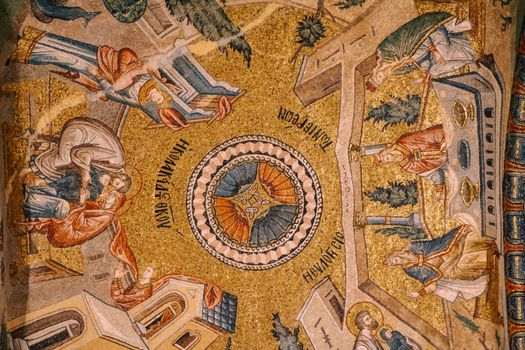
Mosaic art — the practice of assembling small colored pieces (tesserae) into a unified image or pattern — is among the oldest decorative art forms still actively practiced. Roman floor mosaics from the 1st century BCE, Byzantine church apse mosaics from the 6th century, and contemporary mosaic installations in public spaces all use the same fundamental technique: small pieces arranged in mortar or adhesive, with grout filling the gaps between them. The material range available to contemporary mosaic artists far exceeds what ancient practitioners had access to — stained glass, ceramic tile, mirror, stone, shells, found objects, and recycled materials all appear in modern mosaic work — but the core logic of the form hasn’t changed. In Anchorage, mosaic workshops have carved a consistent niche in the craft landscape, particularly for outdoor projects (stepping stones, garden ornaments, birdbaths) that connect to Alaska’s short but vivid summer season. This guide covers mosaic materials, adhesives, cutting tools, design planning, and what beginning mosaic projects look like in 2026.
Traditional vs. Contemporary Mosaic
Mosaic’s long history divides into approaches with different aesthetic goals and material choices:
Traditional mosaic works with smalti (hand-poured Italian glass tiles), unglazed ceramic tesserae, and natural stone in geometric and figural compositions that reference the Byzantine and Roman mosaic traditions. Traditional work values even tesserae size, careful andamento (the directional flow of tesserae that guides the viewer’s eye), and historically informed design. It’s technically demanding and time-intensive — but produces results with visual authority and durability measured in centuries.
Contemporary mosaic uses a far broader material range: broken ceramic dishes (pique assiette style), glass tile, mirror shards, found objects, shells, beads, and anything else that adheres reliably. Contemporary mosaic prioritizes personal expression over historical convention, and the resulting aesthetic variety is enormous — from ultra-precise tile-work installations to wildly textured mixed-media assemblages. Most workshop instruction focuses on contemporary mosaic approaches, which are more accessible for beginners while still connecting to the tradition’s fundamentals.
Materials: The Tesserae
The tesserae are the building blocks of any mosaic. Each material type has different properties that determine how it’s cut, how it adheres, and how the finished piece looks:
- Stained glass: Rich, translucent color with the ability to transmit light for backlit mosaic work (mosaic on glass, window panels). Glass cuts cleanly with a glass cutter and running pliers, produces precise shapes, and reflects light beautifully in finished pieces. The same stained glass used in stained glass construction can be used for mosaic; end pieces and scrap glass are inexpensive sources of varied color.
- Ceramic tile: Readily available in standard square and rectangular formats. Easy to cut with tile nippers. Opaque, durable, and weather-resistant for outdoor projects. Unglazed ceramic (such as porcelain mosaic tiles) accepts grout differently than glazed tile — the matte surface creates a more unified visual texture in the finished piece.
- Mirror: Highly reflective, adds sparkle and light movement to mosaic surfaces. Used in small amounts as accent material; mirror-heavy mosaics can be visually overwhelming but work well for decorative elements. Mirror cuts with the same tools as stained glass.
- Smalti: The traditional Italian glass tile — opaque, densely colored, slightly irregular in surface texture, and highly light-reflective due to the air bubbles in the glass structure. The authentic material of Byzantine and Roman mosaic. Expensive and harder to source than other tesserae, but produces the characteristic visual richness of historic mosaic work.
- Found objects and pique assiette: Broken dishware, pottery shards, buttons, beads, shells, and tiles create mosaic with personal history and material variety. Pique assiette (French, roughly “plate stealer”) describes the style of embedding broken ceramics into mosaic — its irregularity and variety of surface patterns produces a richly textured aesthetic distinct from more uniform tile work.
Adhesives
Adhesive choice depends on substrate, material type, and whether the finished piece is for indoor or outdoor use:
- Tile adhesive (mastic or thinset mortar): The traditional substrate for large, outdoor, or floor mosaics. Thinset is the most durable option for exterior work. It’s mixed to a paste consistency and applied to the substrate before pressing tesserae into position.
- Weldbond adhesive: A flexible PVA-based white glue that remains slightly flexible when cured — important for outdoor mosaic where thermal expansion and contraction can crack rigid adhesives. Widely used in workshop settings for stepping stone and garden ornament projects.
- Silicone adhesive: Flexible, waterproof, and strong — useful for glass-on-glass mosaic (where the transparent adhesive matters) and for outdoor applications where flexibility is critical. Takes longer to set than thinset but produces a strong, weather-resistant bond.
Cutting Tools
Cutting tesserae to the shapes needed for a design requires appropriate tools for each material type:
- Tile nippers: Spring-loaded cutting pliers with carbide tips that score and fracture ceramic tile and glass. The standard cutting tool for most mosaic work — they cut both ceramic and glass with practice. The cut is approximate rather than precise; exact shapes require skill development but the irregularity is part of mosaic’s visual character.
- Wheeled glass nippers: Nippers with carbide wheel jaws instead of straight carbide tips. They score and fracture glass more predictably than standard nippers, producing cleaner cuts for precise glass shapes. The preferred tool for glass-heavy mosaic work.
- Wet tile saw: For precise, straight cuts in ceramic tile and stone. Used in larger studio settings for cutting substrate tiles to exact dimensions; not necessary for most beginner mosaic work where nippers produce adequate results.
Grouting
Grout fills the gaps between tesserae, unifying the surface and protecting the adhesive from moisture. Grout color significantly affects the finished piece’s visual quality: dark grout (charcoal, black) makes individual tesserae pop visually and emphasizes the design lines; light grout (white, buff) makes the surface feel lighter and more unified; matching grout to the dominant tesserae color minimizes visual contrast and emphasizes the material texture. Sanded grout (for gaps wider than 1/8 inch) produces a rougher texture than unsanded grout (for narrow gaps), which matters for pieces handled frequently.
Beginner Projects: Stepping Stones and Coasters
Two project types introduce mosaic fundamentals effectively for beginners:
Stepping stones: Pre-cast concrete circles or squares embedded with tesserae. The concrete substrate is durable for outdoor use, the round or square format provides a defined working area, and the finished piece has immediate garden utility. Most Anchorage mosaic workshops offer stepping stone sessions specifically, since the project connects naturally to Alaska’s summer garden culture. Alaska-specific designs — a fireweed bloom, a salmon silhouette, an aurora borealis color band — appear frequently in stepping stone workshop curricula.
Coasters and trivets: Small square or round tile substrates with mosaic surface work. Lower cost, quicker to complete than stepping stones, and useful as finished objects. The smaller working area (4–6 inches) constrains the design, which is actually helpful for beginners: a small space forces simplified, confident design choices rather than overly detailed compositions.
Mosaic Art Workshops in Anchorage
Anchorage mosaic workshops run year-round, with stepping stone sessions particularly popular in spring as participants prepare garden projects for the summer growing season. Indoor coaster and decorative tile workshops continue through winter months. Workshop formats typically run 3–4 hours — mosaic’s adhesive and grout setting times mean that grouting usually happens after an initial adhesive cure period, which some workshops handle with a take-home component (participants complete grouting at home after the adhesive sets).
Workshop prices run $45–$90, with substrate, tesserae, adhesive, and grout included. A basic home mosaic toolkit (nippers, trowel, grout float, safety glasses, gloves) runs $40–$60; tesserae (tile, glass, smalti) can be purchased from mosaic specialty suppliers or accumulated from thrift store ceramics. Anchorage craft workshop participants can show and sell their finished work at year-round events including the Anchorage Market & Festival, the Anchorage Native Arts & Culture Festival, and the Alaska State Fair. Our free things to do in Anchorage guide covers the public art installations and craft markets where Anchorage mosaic artists exhibit their work. Our Anchorage hiking guide covers the landscapes and wildlife whose forms — mountain silhouettes, salmon runs, wildflower fields — provide the richest source material for Alaska-specific mosaic design.
Photo by AI25.Studio Studio on Pexels.



No comments yet.