
Macrame and Fiber Arts Workshops in Anchorage 2026
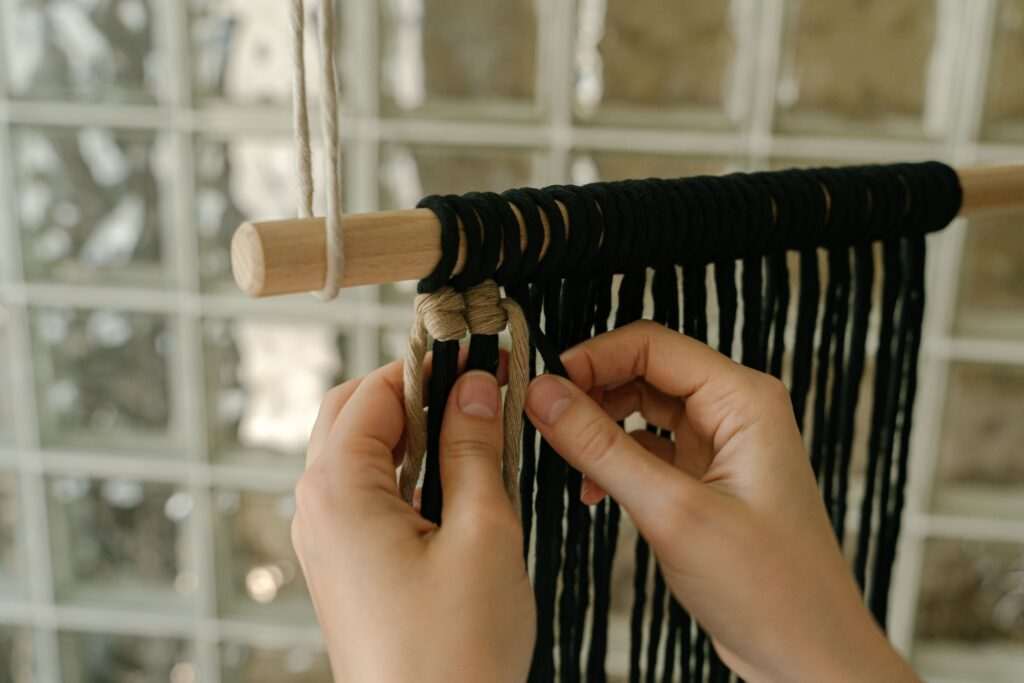
Macrame — knotting cord into decorative and functional textile forms — has returned from 1970s craft room obscurity to become one of the most active hands-on workshop categories in American craft culture. The appeal is straightforward: the techniques are learnable in a single session, the materials are inexpensive, and the finished pieces — wall hangings, plant hangers, table runners, bags — are genuinely beautiful in ways that justify the time invested. In Alaska, macrame connects to a broader fiber arts tradition that includes Alaska Native weaving, skin sewing, and the use of plant-fiber cordage for tools and containers — traditions that represent the same underlying logic as macrame (structure through knotting and tension) in different cultural and material contexts. This guide covers macrame and fiber arts workshops in Anchorage in 2026, the techniques involved, and how the craft connects to Alaska’s textile heritage.
Core Macrame Techniques
Macrame’s vocabulary is built from a small number of knots that combine to create complex-looking patterns. The square knot (a double knot that creates the most common macrame texture) and the half hitch (a single-wrap knot that spirals along a working cord) are the foundation of 90% of macrame patterns. The lark’s head knot attaches working cords to a dowel or ring at the start of most projects. Learning these three in their basic forms and their variations unlocks most beginner and intermediate macrame patterns.
Beginner workshop projects typically produce a wall hanging (a flat piece displaying knotwork pattern), a plant hanger (a three-dimensional suspension designed to hold a pot), or a small pouch or bag. Wall hangings are the most appropriate beginner project because they work on a flat plane without the spatial reasoning required for three-dimensional forms; plant hangers are slightly more complex but are often the project new students most want to make. Both are completeable in a 2–3 hour workshop session.
Cord selection significantly affects the finished look and feel of macrame. Cotton rope is the most common workshop material — it knots cleanly, holds its shape well, and comes in natural and dyed options. Jute is rougher-textured with a natural fiber quality; hemp has a similar character. Synthetic cords (nylon, polyester) hold tension differently from natural fiber cords and produce a different visual character. Most beginner workshops provide cotton rope in a standard weight (3mm or 5mm is typical for wall hangings).
Macrame Workshops in Anchorage
Anchorage’s craft workshop market includes macrame as one of its most consistently scheduled offerings. Several studios — including craft-focused workshop spaces and yoga studios that host evening craft events — run macrame sessions throughout the year. The format is typically an evening class (3 hours, 7–10 participants) that teaches a specific project from start to finish, with instructors circulating to help with knotting errors and tension issues.
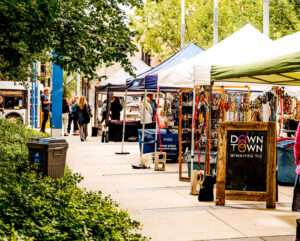
Private macrame workshops are also available through most Anchorage macrame instructors — a popular format for bachelorette parties, team-building events, and birthday gatherings where a group wants a shared creative experience with a finished object to take home. The Anchorage Market & Festival at Town Square Park is also where independent fiber arts vendors and occasional workshop pop-ups appear during the summer season. Private sessions typically require booking 2–4 weeks in advance and accommodate groups of 6–15 participants.
Workshop prices run $45–$75 including all materials. Some workshops allow participants to purchase additional cord at cost to make a second piece at home, which is worth doing after your first session when you’ve learned what you’re doing and want more practice time than a single class provides.
Beyond Macrame: Anchorage Fiber Arts
Fiber arts in Anchorage extend well beyond macrame into weaving, spinning, natural dyeing, and the Alaska-specific tradition of qiviut knitting. The Anchorage Weavers and Spinners Guild is the city’s primary fiber arts community organization — the guild runs workshops, maintains a lending library of looms and spinning equipment for members, and organizes an annual fiber arts fair that brings together spinners, weavers, felters, and dyers. For visitors interested in the broader fiber arts community rather than just macrame, the guild is the entry point.
The Anchorage Museum periodically presents exhibitions on Alaska Native art and craft traditions — an important context for understanding how contemporary fiber arts connect to the region’s deeper creative history. Natural dyeing — using plant materials to dye fiber — has particular Alaska-specific interest. Birch leaves produce yellow-gold tones on wool; fireweed flowers produce pink on alum-mordanted fiber; lichen (collected sustainably from fallen branches rather than from living trees) produce a range of earthy tones that are difficult to replicate with synthetic dyes. The combination of fiber arts knowledge and access to Alaska’s botanical palette creates a dyeing practice that’s genuinely unique to the place.
Alaska Native Fiber Traditions
Alaska’s Indigenous fiber traditions represent a depth of technical knowledge that contemporary macrame workshops don’t touch. Athabascan beadwork on hide garments, Tlingit Chilkat weaving (an extraordinarily complex process of finger-weaving geometric patterns from mountain goat wool and cedar bark), Yup’ik grass basket weaving, and Unangax̂ coiled grass baskets all represent fiber arts of extraordinary sophistication. These aren’t historical crafts — Alaska Native artists maintain these traditions actively, and contemporary practitioners work in both traditional and contemporary forms.
Engaging with Alaska Native fiber traditions appropriately means seeking out instruction from Native artists and cultural organizations rather than approximating the patterns in a macrame workshop context. The Anchorage Native Arts & Culture Festival brings together Alaska Native artists working in traditional and contemporary fiber arts forms and is one of the most accessible events for understanding these traditions in the Anchorage context. The Alaska Native Heritage Center and Sealaska Heritage Institute (Juneau) are the most accessible institutional resources for understanding these traditions in depth. Our free things to do in Anchorage guide covers the cultural venues where Alaska’s fiber arts traditions are most visible to visitors. Our Anchorage hiking guide covers the outdoor environments where Alaska’s natural dye plants and fiber-producing animals live — the landscape context that shapes Alaska fiber arts.
Photo by Arun Thomas on Pexels.



No comments yet.