
Alaska Native Culture in Anchorage 2026: Where to Go
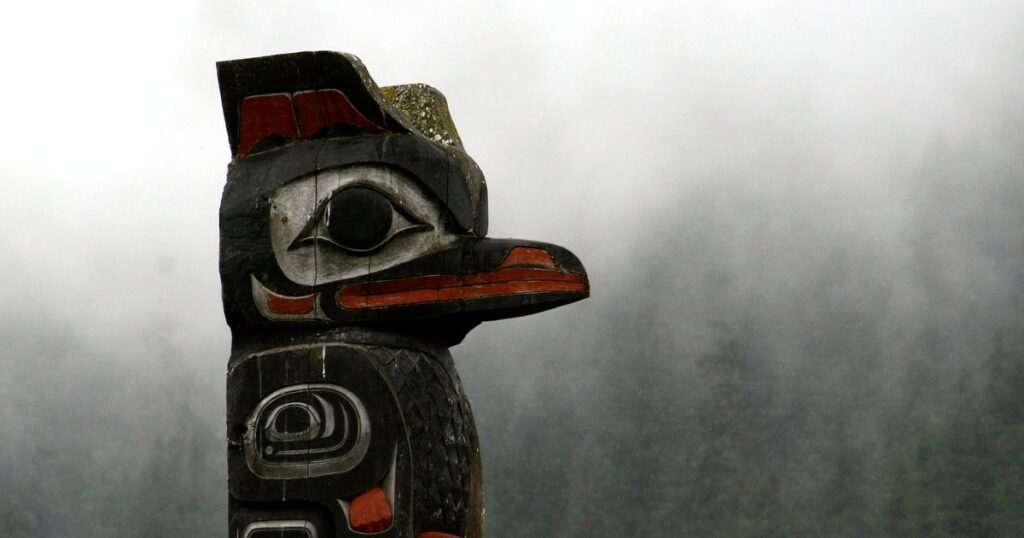
Anchorage sits at the intersection of multiple Alaska Native traditions. The Dena’ina Athabascan people have lived in the Cook Inlet basin for thousands of years — the city occupies their ancestral territory, and that relationship is actively acknowledged and expressed in Anchorage’s museums, cultural centers, and public spaces. Add the proximity to Alutiiq communities along the Kenai Peninsula and Yup’ik and Cup’ik traditions represented in the city’s institutions, and Anchorage offers visitors more genuine access to Alaska Native culture than most expect. Here’s where to engage meaningfully in 2026.
Alaska Native Heritage Center — The Essential Starting Point
The Alaska Native Heritage Center, on the northeast edge of Anchorage near the Glenn Highway, is the most comprehensive Alaska Native cultural institution in the state. The center represents eleven major cultural groups from across Alaska — Athabascan, Alutiiq, Eyak, Haida, Tlingit, Tsimshian, Unangan/Aleut, Cup’ik/Yup’ik, Inupiaq, Siberian Yupik, and St. Lawrence Island Yupik — through a combination of traditional village displays, cultural demonstrations, and an indoor exhibition hall.
The outdoor grounds include six traditional Native dwellings — a Yup’ik semisubterranean home, an Inupiaq sod house, an Athabascan log structure, an Alutiiq ulax, a Northwest Coast clan house, and an Eyak dwelling — positioned around a small lake with interpretive trails between them. Living cultural demonstrators work at the site throughout the day in summer, showing traditional crafts, storytelling, and in some cases, dance. The demonstrations aren’t performance for tourists — they’re working cultural practitioners sharing their traditions on their own terms.
The indoor Hall of Cultures contains detailed exhibits on each of the eleven groups: subsistence technologies, regalia, language resources, and contemporary artwork alongside traditional pieces. The Welcome House at the entrance has daily programming information and cultural context that helps visitors understand what they’re about to see.
Hours: Open daily in summer (mid-May through mid-September), typically 9 a.m. to 5 p.m. Reduced hours in winter; check the Alaska Native Heritage Center website for current scheduling. Admission runs $21/adult, $13/child; Alaska Native people attend free. Allow 2–3 hours for a full visit including the outdoor grounds.
Anchorage Museum — Alaska History Through a Native Lens
The Anchorage Museum at Rasmuson Center, in downtown Anchorage, includes the Alaska Gallery — a permanent exhibition covering Alaska’s human and natural history from the first inhabitants through the present day. The Alaska Gallery’s treatment of pre-contact Alaska and the period of Russian colonization is substantive, with genuine artifacts and careful acknowledgment of the disruption colonial contact brought to Alaska Native communities.
The museum’s contemporary Alaska Native art collection is displayed in rotating exhibitions throughout the year. Look for work by Larry Ahvakana, Melanie Laktonen, and other contemporary Alaska Native artists working in both traditional forms and modern media. The museum’s third floor often features changing exhibits with significant Alaska Native content — check the current exhibition schedule before visiting.
The museum gift shop carries authentic Alaska Native art from vetted sources, clearly labeled by artist and origin. It’s one of the better places in Anchorage to purchase Native art with confidence that it’s genuine — a significant consideration when fake “Native-style” products are common in the tourist market.
Hours: Open daily in summer, closed Tuesdays in winter. Admission $18/adult; free for children under 16. The café on the first floor is a good lunch stop after the Alaska Gallery.
Dena’ina Convention Center — Cultural Acknowledgment Downtown
The Dena’ina Civic and Convention Center, on West 7th Avenue in downtown Anchorage, was intentionally named for the Indigenous people whose territory the city occupies. The building’s public spaces include Dena’ina language signage and Indigenous artwork throughout the lobbies and meeting areas. It’s not a museum, but when events or conferences are running, the public spaces are accessible and provide a meaningful example of how Anchorage formally acknowledges its Indigenous heritage in civic infrastructure.
The naming reflects a broader shift in how Anchorage presents its own identity — Cook Inlet Tribal Council and other Alaska Native organizations maintain significant presence in the city, and visitors who spend time downtown will encounter that presence in art installations, language revitalization signs, and public programming.
Native Art Galleries and Markets Downtown
Authentic Alaska Native art — ivory scrimshaw, walrus bone carvings, birch bark baskets, beaded regalia components, and contemporary prints — is available throughout Anchorage, but quality and authenticity vary widely. A few specific considerations:
The Alaska Native Medical Center (ANMC) gift shop (Tudor Road, East Anchorage) sells art made by Alaska Native patients and community members, with proceeds supporting the artists. It’s one of the most authentic purchasing options in the city and often has work that doesn’t circulate in the main tourist market.
4th Avenue Market and downtown galleries carry a mix of authentic and commercially produced “Alaska Native-style” products. The authentic work is typically labeled with the artist’s name, tribal affiliation, and often a numbered edition. The Indian Arts and Crafts Act makes it illegal to misrepresent non-Native work as Native-made, but enforcement is imperfect — the ANMC shop and the museum shop are the safest options if authenticity matters.
Performing arts: Alaska Dance Theatre periodically presents programs incorporating Alaska Native movement traditions and storytelling. Check their season schedule for performances that intersect with Alaska Native cultural themes. Similarly, Showdown Alaska is an Anchorage live entertainment venue that hosts rotating programming with local cultural themes throughout the year.
Respectful Engagement — What Visitors Should Know
Alaska Native cultural experiences in Anchorage are designed for genuine exchange, not performance. A few principles for respectful engagement:
- Photography: At the Alaska Native Heritage Center, photography of the outdoor grounds is generally permitted; ask before photographing cultural demonstrators or during ceremonies. Indoor exhibitions often have photography restrictions — follow posted guidelines.
- Questions: Cultural demonstrators at the Heritage Center are there to share and explain. Direct, genuine questions about what you’re seeing are welcome. Treating the experience as interactive rather than passive is appropriate.
- Art purchases: When buying Alaska Native art, ask about the artist. Authentic work comes with a story — where the artist is from, what tradition the piece draws on, what materials are used. If a vendor can’t or won’t provide that context, that’s a signal.
- Language: The Dena’ina language is being actively revitalized in Anchorage. You’ll see it in signage, hear it in cultural programs, and encounter it in place names (Anchorage’s Indigenous name is “Dgheyay Kaq'” — “place where we went down to get something”). Learning even a few words is a genuine sign of respect.
Connecting to Alaska Native Heritage Beyond Anchorage
The Kenai Peninsula, two hours south via the Seward Highway, has been Dena’ina Athabascan territory for millennia — the Kenai National Wildlife Refuge’s forests and wetlands are traditional subsistence grounds. Our Kenai National Wildlife Refuge guide covers the landscape, but the relationship between that landscape and the people who’ve harvested it for thousands of years is part of what makes a trip there more than just a wildlife-viewing excursion.
Prince William Sound and the Valdez corridor to the east hold Alutiiq and Eyak cultural heritage in their coastal communities. Our Valdez and Prince William Sound guide touches on the history of those communities and the region’s significance beyond its dramatic scenery. The Alaska Native Heritage Center in Anchorage is the best preparation for understanding what you’re encountering in those communities before you travel.
The Alaska Public Lands Information Center downtown has extensive Alaska Native history materials and can advise on current programming at the Heritage Center and museum.
Photo by Howard Herdi on Pexels.
No comments yet.