Alaska Fishing License for Visitors 2026 — Cost, Types & Where to Buy
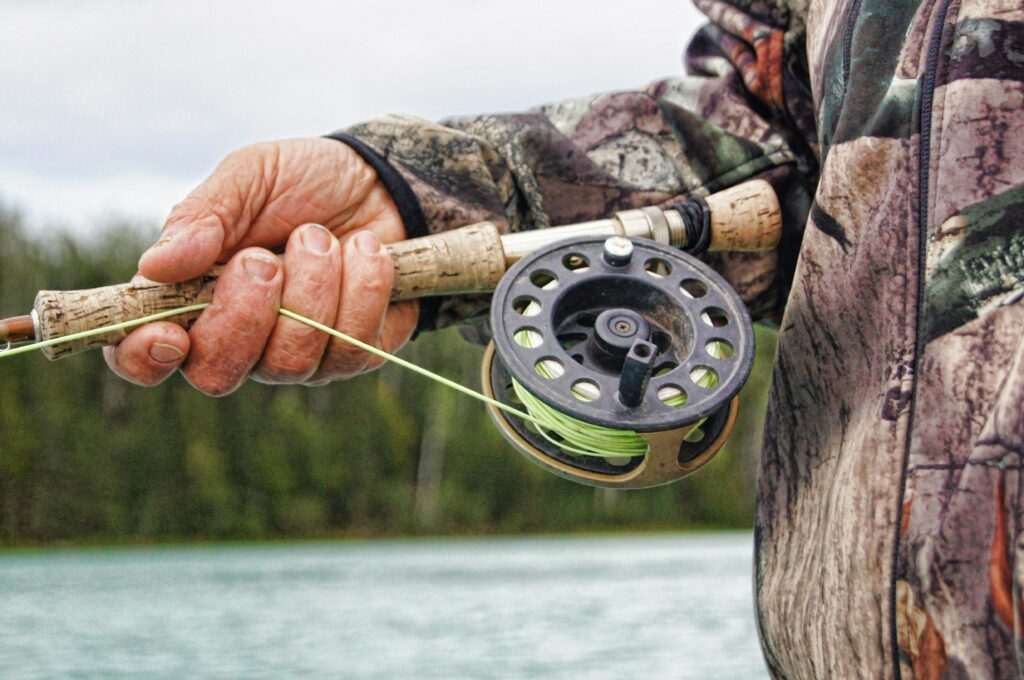
If you’re planning to fish in Alaska in 2026, your first task before touching a rod is buying a license. Alaska’s fishing is world-class — king salmon running up Ship Creek in downtown Anchorage, sockeye stacking in the Kenai River, halibut in the deep water off Homer — but all of it requires a valid non-resident sport fishing license. Here’s everything you need to know before you go.
Do You Need an Alaska Fishing License?
Yes, if you’re 16 or older and fishing in Alaska’s freshwater or saltwater. Children under 16 fish free with no license required. If you’re visiting from another state or country, you need a non-resident license for every day you fish — even catch-and-release trips on a charter boat count.
Non-Resident License Types and 2026 Fees
Alaska offers flexible short-term options designed for visitors — you only pay for what you need. Non-resident sport fishing license options (verify current fees at adfg.alaska.gov before purchasing, as rates update annually):
| License Type | Approximate 2026 Fee |
|---|---|
| 1-day | ~$20 |
| 3-day | ~$45 |
| 7-day | ~$75 |
| 14-day | ~$105 |
| Annual (calendar year) | ~$145 |
If you’re planning more than two fishing trips in the same calendar year, the annual license is almost always better value. One week on the Kenai plus a return trip for halibut season and you’ve already paid more for two short-term licenses than the annual would have cost.
The King Salmon Stamp — When You Need It
If you’re targeting king (Chinook) salmon — including the famous run in Ship Creek right in downtown Anchorage — you need an additional king salmon stamp on top of your base license. The non-resident king salmon stamp runs approximately $50–60 per year and is required any time you fish for or retain king salmon, whether you’re on a chartered boat or casting from the bank.
Not targeting kings? The stamp isn’t needed for sockeye, coho, pink, or chum salmon. Your base non-resident license covers those species. If you’re unsure whether a waterway has kings running, check the current ADF&G emergency orders — they’re updated in real time and freely available online.
Where to Buy Your License
- ADF&G online portal — adfg.alaska.gov. Buy before you leave home, print it or save to your phone. Takes five minutes and is the most convenient option.
- Walmart — Multiple Anchorage locations; typically the quickest in-person option and open early on fishing mornings.
- Fred Meyer — Sport departments at major Anchorage and Kenai Peninsula locations carry both licenses and king stamps.
- REI Anchorage — Staff can advise on current conditions; grab a license while picking up last-minute gear.
- Charter operators — Some halibut and salmon charter packages include the license in their rate. Confirm before booking so you’re not double-buying.
- Sporting goods shops — Independent fly shops and fishing outfitters throughout Anchorage and the Kenai Peninsula all carry licenses.
What to Carry While Fishing
Alaska law requires your license to be on your person while fishing — not in the truck or back at the cabin. A digital copy on your phone is fully acceptable. If an Alaska Wildlife Trooper checks you and you can’t produce the license, it’s treated the same as fishing without one, regardless of whether you actually bought it. Screenshot your confirmation or download the ADF&G mobile app before heading out.
Catch and Possession Limits — What to Know
Limits vary by species, waterbody, and season. Key points for 2026 visitors:
- King salmon — Limits are river-specific and often highly restrictive. Some waters are catch-and-release only for kings. Always check the current ADF&G emergency order for your exact location before fishing.
- Sockeye (red) salmon — Typically 3 per day / 6 in possession on the Kenai River during peak season, but confirm current-year regulations.
- Halibut — Managed federally by the IPHC. Sport anglers are typically limited to 2 fish per day with one size-cap restriction. Charter trips operate under the same daily limits.
- Rainbow trout — Catch-and-release is mandatory on many trophy streams. Confirm before targeting trout on any river.
The ADF&G Sport Fishing Regulations Summary is available free at any license vendor and as a downloadable PDF. Grab it before your trip — emergency orders can modify limits on very short notice during the season.
Ready to Fish? Start Here
Once your license is sorted, Anchorage is an excellent base. Ship Creek in downtown Anchorage offers one of the most unusual urban king salmon fisheries anywhere. For guided trips with local expertise, Big Time Alaskan Fishing Adventures is a reliable option. Halibut day trips run out of Anchorage-area harbors via Cook Inlet Charters. For a closer-to-the-city family option, Little Campbell Lake is stocked and accessible without a long drive down the peninsula.
Buy the license before you land in Alaska. It takes five minutes online, and it’s one less thing to sort when you’re trying to be on the water by 6am.



No comments yet.