
Heli-Skiing Near Anchorage 2026 — Alaska Backcountry Powder & Guided Tours
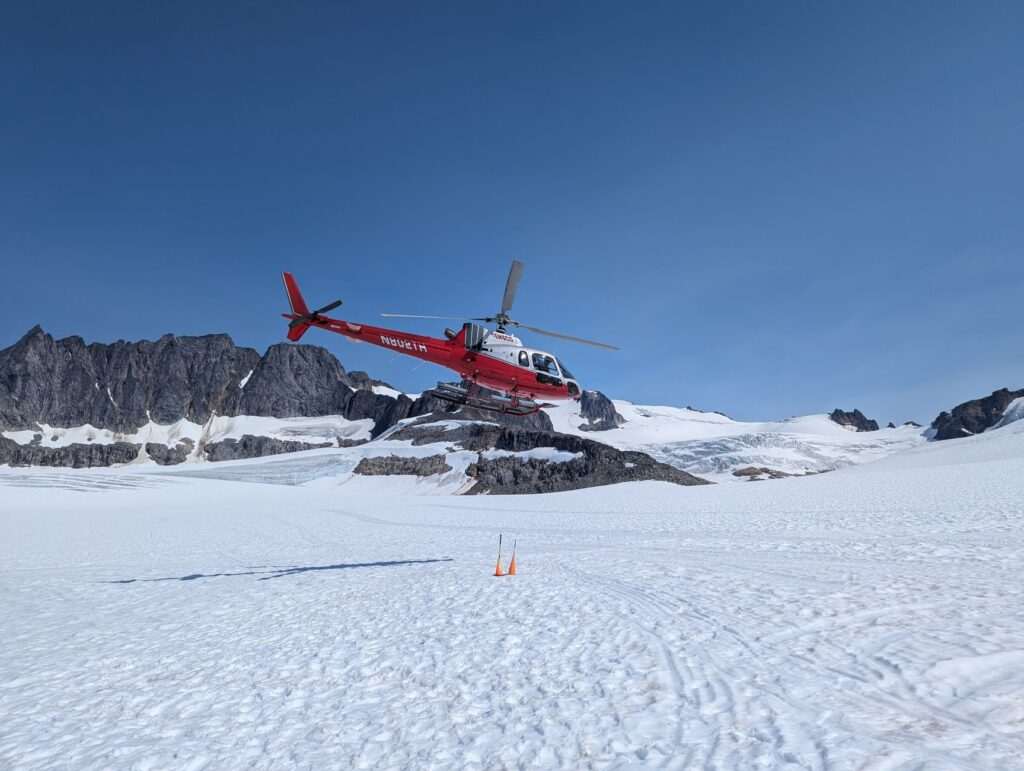
Alaska has more untracked vertical terrain than any other state in the country, and a significant portion sits within helicopter range of Anchorage. The Chugach Mountains rise immediately east of the city; the Tordrillo Mountains sit 75 miles to the west. Between these two ranges lies a concentration of heli-ski terrain that draws experienced backcountry skiers and snowboarders from around the world every winter.
Heli-skiing in Alaska isn’t a resort experience. You’re dropped into remote mountain terrain — often above tree line, often on faces that see single-digit visitors per season — and you ski down. The conditions are genuine: deep coastal powder, complex terrain, and weather that moves faster than any groomer-side forecast board. Here’s how to access it from Anchorage in 2026.
The Mountain Ranges Within Reach
The Chugach Mountains
The Chugach range runs directly east and southeast of Anchorage, making it the closest serious heli-ski terrain to the city. The maritime climate feeds the Chugach with significant annual snowfall — typically 30–50 feet at elevation — and the combination of steep granite faces and deep valley approaches produces the kind of skiing that defines Alaska’s reputation in the backcountry world.
Several operators hold tenure in different zones of the Chugach: the Girdwood corridor (south of Anchorage, including terrain above Alyeska Resort), the Portage corridor, and the northern Chugach above Palmer. Run lengths at elevation are substantial — 3,000 to 5,000 vertical feet isn’t unusual, and some lines extend significantly longer depending on snowpack.
The Tordrillo Mountains
The Tordrillo range, about 75 miles west of Anchorage, is the other major destination. It’s more remote — accessed by float plane or helicopter from the city — and the terrain is more massive, with wider faces, longer runs, and reliable deep powder. The Tordrillos see fewer skiers overall than the Chugach because of the logistics, which is part of the appeal for those who make the trip.
Main Operators for Heli-Skiing Near Anchorage
Tordrillo Mountain Lodge
Tordrillo Mountain Lodge is the most established Tordrillo operation, running helicopter-accessed skiing from a private lodge near Judd Lake. The lodge handles 12 guests per week under one helicopter, with a second A-Star B3 serving the Judd Lake Lodge facility at 8 guests per week. The intimacy is intentional — the operation is built around small groups and personalized guide attention, not high-volume skiing days.
The winter season runs mid-February through late April. Weeks book far in advance; if you’re targeting a Tordrillo week, contact them in summer for the following season.
Silverton Mountain Guides
Based about 45 miles northeast of Anchorage in the Northern Chugach, Silverton Mountain Guides holds tenure across multiple zones including the Northern Chugach, Girdwood/Seward corridor, Tordrillo terrain, and Valdez. The 6-Day Northern Chugach Package runs approximately $8,890 per person, which includes accommodation, guides, helicopter time, and meals.
This is a guide-focused operation — skier screening is real and they’ll ask about your background. Alaska heli-skiing isn’t beginner terrain, and operators across the board are direct about skill requirements.
Crown Mountain Guides
Crown Mountain Guides runs programs across three ranges — Chugach, Tordrillo, and Talkeetna — giving them the broadest range of conditions and terrain types of any single operator in the region. Their itineraries are structured for advanced and expert backcountry skiers who want the full Alaska experience over multiple days.
Pulseline Adventure
Pulseline was founded by veteran Alaska heli-ski guides with decades of combined Chugach and Tordrillo experience. Their focus is on Chugach terrain accessible from Anchorage, with particular expertise in the western Chugach zone that gets consistent deep maritime snowpack throughout the season.
What Level of Skier Qualifies?
Alaska heli-skiing is genuinely expert terrain. Most operators require that participants be strong intermediate-to-expert skiers who are comfortable on steep, ungroomed terrain in variable conditions. “Comfortable with bumps on a blue run” doesn’t qualify.
The practical standard most guides use: you should be able to ski any marked terrain at a major resort without hesitation, in any conditions, including on-piste steep faces in wind-affected snow. Backcountry awareness — recognizing avalanche terrain, reading snow stability, self-rescue basics — is increasingly expected, not just a bonus.
If you’re working toward heli-ski readiness, spending time on the steeper terrain at Alyeska Resort in Girdwood is the best local training ground near Anchorage. Its upper mountain terrain mimics aspects of what you’ll encounter in the backcountry, and ski patrol provides context for reading Chugach snowpack behavior.
Pricing and What’s Included
Heli-skiing in Alaska is expensive, and that’s a feature as much as a bug — the exclusivity is part of what keeps the terrain untracked. Ballpark ranges for 2026:
- Single-day introductory programs: $850–$1,200 per person (typically includes 2–4 runs, guide, safety gear)
- Multi-day lodge programs: $7,000–$12,000+ per person for 5–7 day packages (includes accommodation, all meals, guide service, helicopter time, and some include safety courses)
- Custom group charters: Variable by helicopter type, zone, and days
What these packages typically include: USCG or transport helicopter, certified mountain guide, avalanche rescue gear (transceiver, probe, shovel), first aid coverage, and weather-day guarantees or partial refunds for weather holds.
Safety Protocols and Conditions
Reputable operators in Alaska run structured pre-tour safety briefings, assign each skier a transceiver, and carry both guide-side and group-side avalanche rescue kits. Some packages include a required avalanche safety refresher on day one, particularly for groups without formal backcountry training.
Weather holds are common and legitimate — Alaska’s maritime weather can pin a helicopter on the ground for 24–48 hours with minimal warning. Build flexibility into your travel schedule, especially for the Tordrillo region where weather systems arrive with less predictable timing than in the Chugach’s rain-shadow terrain.
For comparison of flight-based adventures around Anchorage, Alaska Helicopter Tours offers scenic flightseeing that gives you a preview of the terrain and lets you assess mountain scale before committing to a heli-ski program. It’s a useful first look at the Chugach from above.
Best Season and Booking Tips
The Alaska heli-ski season runs January through April, with the core window mid-February through early April. Early season (January) offers cold, dry powder in good years but shorter days limit helicopter flying hours. March delivers the best combination of snowpack depth and daylight. April conditions vary — some years the snowpack consolidates into firm spring snow; other years it stays soft and productive through the end of the month.
Book six to twelve months in advance for lodge packages. Day programs with operators like Silverton have more flexibility but also fill quickly once seasonal conditions prove strong. Most operators post condition updates via social media during the season — following them is the fastest way to identify a strong snow year.
If you’re building a full Alaska winter adventure, consider adding time at Hilltop Ski Area in Anchorage as a warm-up day — it’s the city’s local hill, modest in scale, and a good way to knock off jet lag before heading into serious backcountry terrain.
Frequently Asked Questions
Do I need an avalanche course before heli-skiing in Alaska?
Most operators don’t require a formal AIARE or AST certification, but they strongly recommend at minimum an avalanche awareness course. Some lodge programs include a half-day safety refresher as part of the itinerary. At minimum, know how to use a transceiver, probe, and shovel before you get on the helicopter.
What’s the best way to get to the Tordrillo Mountains?
Most guests fly into Anchorage (Ted Stevens Anchorage International) and transfer to the Tordrillo via float plane or helicopter arranged by the lodge operator. It’s a 30–45 minute flight from Anchorage. Some lodge programs include transport from the city as part of the package; confirm this when booking.
Can I heli-ski near Anchorage as a solo traveler?
Yes. Most operators accommodate solo travelers and build groups of compatible skill levels for shared helicopter use. Solo spots in lodge programs can be harder to secure — contact operators early and ask to be added to their waiting list for open spots in existing group bookings.
Alaska heli-skiing occupies a unique tier in the global backcountry skiing world. The combination of terrain scale, snowpack depth, and guide expertise near Anchorage is genuinely without equal. If your skiing is ready and your schedule is flexible, the Chugach or Tordrillo in March is worth every dollar of the investment.
Featured photo by adrian vieriu on Pexels.
No comments yet.