
Gravel Biking Near Anchorage 2026: Routes, Rides & Rentals
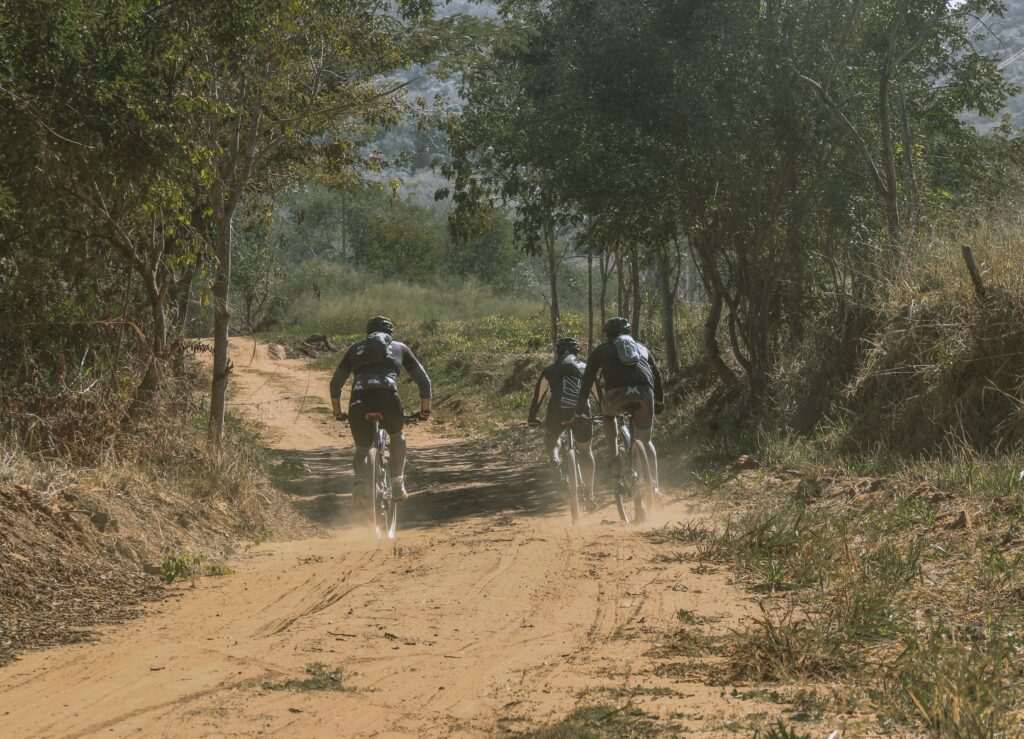
Gravel biking is a different sport than road cycling and a different sport than mountain biking. It sits between the two — wider tires than a road bike, more comfortable geometry, and the ability to handle dirt, gravel, and rough unpaved surfaces that would stop a road bike while keeping enough efficiency to cover serious distance. Anchorage, surrounded by road gravel, forest double-track, and long unpaved routes threading through state and national forest land, is a particularly good place to be on a gravel bike. The routes are long, the scenery is extraordinary, and outside of peak summer weekends, you’re unlikely to share the road with much traffic.
What Makes Anchorage Gravel Riding Distinctive
Most gravel biking destinations are defined by agricultural roads, converted rail trails, or maintained forest service routes. The Anchorage area has these, but its defining characteristic is proximity to genuine wilderness on roads that are technically accessible but functionally remote. The Powerline Pass road climbs from the Glen Alps trailhead into the Chugach mountains on a wide dirt track that sees occasional maintenance vehicles but no commuter traffic. Hatcher Pass Road traverses the Talkeetna Mountains through alpine terrain that’s above treeline for miles. The scale and the setting are qualitatively different from most lower-48 gravel riding, and the wildlife density — moose in the willows, Dall sheep on the ridgelines above — is part of nearly every significant ride.
Bird to Gird: The Signature Anchorage Gravel Route
The Bird to Gird trail — officially the Bird to Gird Bike Trail — runs 12.5 miles from Bird Creek to Girdwood along a wide gravel path that follows the base of the Chugach Mountains above Turnagain Arm. The trail surface is maintained gravel, relatively smooth, with some sections of compacted dirt. It’s genuinely multi-use — cyclists, hikers, and equestrians share it — but wide enough that passing is never an issue. The route is one-way point-to-point; most riders arrange shuttle transportation or cycle back, making it a 25-mile round trip that remains one of the most scenic bike rides in Southcentral Alaska.
The views across Turnagain Arm throughout the route are the defining feature — on clear days, the glaciated peaks of the Kenai Mountains across the water are visible for much of the ride. Bore tides occasionally run up the arm during the ride window, visible from the trail. The route connects to Girdwood at its south end, where the Alyeska Resort area offers food and rest before a return ride or shuttle back to Bird Creek. Parking is available at the Bird Creek trailhead off the Seward Highway.
Powerline Pass Road: Climbing into the Chugach
The Powerline Pass road is the most demanding gravel route accessible from Anchorage proper. Starting from the Glen Alps trailhead on Hillside Drive — about 20 minutes from downtown — the road climbs steadily through open Chugach terrain to the Powerline Pass crossing at roughly 3,500 feet. The road surface is wide dirt and gravel, with drainage channels to manage snowmelt runoff, and some loose sections near the pass. The total climb from the trailhead to the pass covers roughly 5 miles one-way with 1,800 feet of elevation gain — similar effort to a significant road climb, but on varied gravel and with open tundra views expanding as you gain altitude.
This is a ride-and-return route for most visitors, with the descent on the same road offering a fast payoff after the climb. Technical skills aren’t required, but confidence on loose gravel descending is helpful — the road surface loosens in sections, and the grades are steep enough that braking control matters. Strong riders extend beyond the pass to connect with additional double-track; check current trail conditions locally before planning extended routes beyond the main pass.
Hatcher Pass: Alpine Gravel in the Mat-Su Valley
About 75 miles north of Anchorage, Hatcher Pass and Independence Mine State Historical Park offer some of the most dramatic alpine gravel riding in the region. Hatcher Pass Road runs through open tundra at elevation, past the historic Independence Mine complex, and across the pass itself at roughly 3,900 feet. The road is paved on the lower approaches and transitions to gravel near the summit — a natural gravel bike route where road surfaces alone exclude narrower-tired bikes for parts of the season.
The Hatcher Pass area is a full-day destination from Anchorage: the drive takes 90 minutes, the riding is substantial, and the historical and scenic elements justify lingering. The Independence Mine buildings — preserved 1930s gold mining infrastructure on the National Register of Historic Places — sit at the top of the climb, offering a genuine destination at the high point. Wildlife in the Hatcher Pass corridor is excellent: Dall sheep on the slopes above the mine, moose in the valley bottoms, and ptarmigan along the alpine ridge are common sightings.
Chugach Forest Roads and Double-Track
Beyond the signature routes, the Chugach National Forest and Chugach State Park contain an extensive network of maintenance roads and double-track that gravel bikes handle well. The Bird Creek drainage, the Powerline corridor beyond the pass, and various access roads in the Girdwood area provide additional riding for those willing to explore less-defined routes. These require more navigation confidence and sometimes route-finding — downloadable GPX tracks from local cycling clubs are the most reliable way to plan these extensions.
Rentals and Where to Get a Gravel Bike in Anchorage
Visiting riders who didn’t bring a bike have several options. Pablo’s Bicycle Rentals is a central Anchorage rental operation with a range of bike types suited to different riding styles; confirm gravel-specific bike availability when booking, as inventory varies by season. Trek Bicycle Store of Anchorage carries a selection of gravel and adventure bikes for purchase, and their staff can advise on current local route conditions and tire selection for the specific roads you’re planning to ride.
For first-time visitors uncertain about whether to rent or buy, a rental session on Bird to Gird is the ideal test — the route is long enough to assess fit and comfort over real distance without committing to full-day technical riding in the Chugach. Rental rates for quality bikes in Anchorage typically run $40–$75 per day in 2026 depending on the bike type and shop.
Gear and Preparation
Gravel biking in Alaska involves conditions that differ from most lower-48 destinations. Tire selection matters — wider tires (40–50mm) perform better on the loose sections and volcanic gravel surfaces common in the Chugach. Tubeless setup significantly reduces flat risk on sharp rock surfaces. Carry a full repair kit including a spare tube, tire plugs, a pump, and basic tools.
Weather is the major variable. Anchorage summer temperatures run 55–65°F with frequent overcast and rain. A packable rain layer that fits in a jersey pocket is essential for any route longer than an hour. Above treeline routes like Powerline Pass and Hatcher Pass require additional wind protection regardless of the morning forecast. Bear spray in a frame bag or handlebar bag is standard for Chugach backcountry routes.
Best Time to Ride
The Anchorage gravel season runs from late May through September. Bird to Gird is typically rideable from mid-May; Powerline Pass clears of snow in late May to early June depending on the winter snowpack. Hatcher Pass Road opens to vehicles (and bikes) in late May or June at the summit. July and August offer the most reliable conditions and the longest daylight — rides of 5 to 7 hours finish before dark even on cloudy days. September brings fall colors to the tundra routes and significantly reduced crowds but also earlier sunset and the first possibility of fresh snow above 3,000 feet.
What is the Bird to Gird trail?
A 12.5-mile gravel bike trail running from Bird Creek to Girdwood along the base of the Chugach Mountains above Turnagain Arm. It’s the most accessible and scenic gravel route near Anchorage — wide maintained surface, Turnagain Arm views throughout, and a natural destination at Girdwood. Most riders do it as a 25-mile round trip or arrange a shuttle.
Can I rent a gravel bike in Anchorage?
Yes — Pablo’s Bicycle Rentals and Trek Bicycle Store of Anchorage are the main options. Confirm gravel bike availability before booking, as inventory varies. Rental rates run approximately $40–$75 per day for quality bikes in 2026.
Do I need a gravel bike for these routes, or will a regular bike work?
A mountain bike with semi-slick tires works well on all routes described. A road bike works on Bird to Gird and the lower sections of Hatcher Pass but struggles on the loose gravel of Powerline Pass and the summit sections of Hatcher. A gravel bike is the ideal tool across all routes — versatile enough to handle everything from maintained gravel to rougher double-track.
Is Hatcher Pass worth the drive from Anchorage?
Yes, for riders willing to commit to a full day. The 90-minute drive is real, but the riding — alpine tundra, historic mine site, dramatic mountain terrain — is qualitatively different from anything available closer to the city. Combine it with a stop at the Independence Mine buildings and plan for 6–8 hours total for a full Hatcher Pass day from Anchorage.
No comments yet.