
River Tubing Near Anchorage 2026: Matanuska, Eagle River & Best Alaska Float Spots
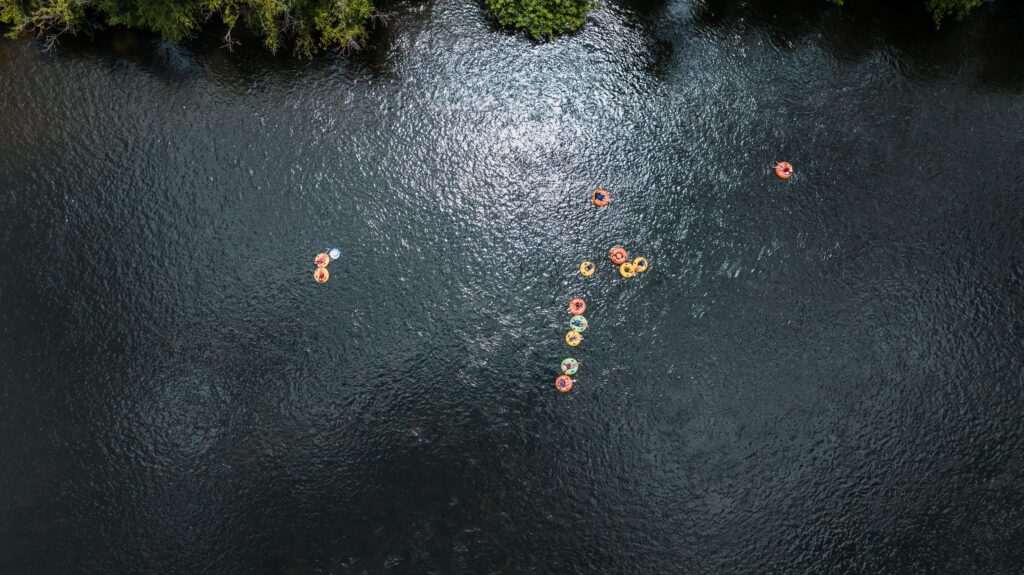
River tubing is one of Alaska’s most laid-back summer rituals — grab an inner tube, find a calm stretch of river, and spend a few hours drifting through the boreal forest with a cold drink and nowhere to be. It’s cheaper than a guided rafting trip, requires no experience, and works for the whole family. Near Anchorage, a handful of rivers offer the right combination of calm current, accessible put-ins, and great scenery. Here’s where to go and what to know for 2026.
What Makes a Good Tubing River?
Not every Alaska river is tubing-friendly. Glacial rivers can be dangerously cold and fast, braided channels can push you into logjams, and anything with significant rapids is better suited to whitewater gear. The ideal tubing river has:
- A slow to moderate current (2–4 mph) with no significant drops or rapids
- Accessible put-in and take-out points with vehicle shuttle options
- Water temperatures cold enough to refresh you but not cold enough to cause hypothermia within minutes
- Sandy or gravel banks without sharp debris
- Clear takeout signage or landmarks so you don’t float past your exit
The rivers below check most of these boxes, with some caveats you’ll want to understand before launching.
Eagle River
Eagle River is the most accessible quality tubing option near Anchorage, flowing through the Chugach foothills about 15 miles northeast of downtown. The lower sections of the river move at a manageable pace with a mix of small riffles and calm pools — interesting enough to keep you entertained, gentle enough to be appropriate for older kids and teenagers.
The Eagle River Nature Center area provides good access to the upper sections, while several spots along the Hiland Road corridor and the Eagle River Campground area offer convenient put-ins for the lower river. Plan a point-to-point float with a vehicle shuttle rather than a loop — paddling back upstream in a tube on a glacial river isn’t fun. Local outdoor forums often have updated beta on current water levels and best entry points by season.
Water temperature on Eagle River stays cold year-round — wetsuits or drysuits are strongly recommended, especially early in the season (May–June) when snowmelt keeps temperatures near freezing. By July and August, the water is still cold but more manageable for a multi-hour float with proper clothing layers.
Matanuska River (Lower Sections)
The Matanuska River near Palmer offers a different kind of tubing experience — bigger water, more dramatic scenery, and that signature glacial blue-grey color from suspended silty meltwater. The lower sections of the Matanuska below the canyon are calmer than the upper river, but this is still a larger, more powerful river than Eagle River. It’s appropriate for strong swimmers and adults comfortable in moving water.
The payoff is the setting: the Chugach Mountains tower above the wide valley, the river runs through braided gravel channels with mountain backdrops in every direction, and wildlife sightings — eagles, moose along the banks, salmon in season — are common. Access points near the Glenn Highway corridor make logistics manageable, though you’ll want to scout your take-out carefully on a wider river like this before committing to a float.
Note: The Matanuska runs through the Mat-Su Valley about 45–60 minutes from Anchorage, making it a natural day trip. Combine your float with a visit to Matanuska Glacier for a full day in the valley.
Knik River
The Knik River near Palmer offers braided flatwater channels with spectacular Knik Glacier views. During even-numbered years (2026 is one), pink salmon pack the lower river in July and August — floating past a salmon-filled river is a uniquely Alaska experience. The braided nature of the Knik means channels vary season to season; do a current scout before launching, and stay on the main channels rather than side sloughs that can dead-end in logjams.
The Knik runs colder than Eagle River due to direct glacial input. Full-sleeve wetsuits or drysuits are highly recommended here even in the height of summer. The reward is a big, dramatic float with mountain scenery that rivals anywhere in North America.
Eklutna River and Eklutna Lake Area
For a shorter, family-friendly tubing session, the Eklutna Lake area north of Anchorage has calm water suitable for younger children with an adult. The lake outflow and upper river sections are more gentle than the main valley rivers, and the setting — surrounded by Chugach State Park peaks — is gorgeous. Lifetime Adventures at Eklutna Lake operates an outdoor gear rental facility in the area that can point you toward current conditions and appropriate launch spots.
Guided vs. Self-Guided Tubing
Most river tubing near Anchorage is self-guided — there are no commercial tubing tour operators in the area the way there are for whitewater rafting. That puts more responsibility on you to manage logistics, safety, and local knowledge. Some outfitters like Chugach Adventures offer river recreation trips that can include floating, and their guides know current river conditions better than any app — worth calling even if you plan to go independently.
For a fully self-guided trip, key logistics to sort before you go:
- Shuttle: You’ll need two vehicles or a willing driver — one at the put-in, one at the take-out. There’s no uber service at most river access points.
- Tube source: Large inflatable tubes suitable for river use can be rented from some outdoor shops in Anchorage or purchased at sporting goods stores. Make sure yours has a bottom (not a standard pool donut style) so you have a seat rather than dangling in frigid water.
- Safety gear: PFDs (life jackets) are strongly recommended and required for minors by Alaska law on navigable waters. A throw rope for your group is wise on any moving water.
Safety on Alaska Rivers
Alaska river tubing carries real risks that casual summer tubing in warmer states doesn’t. The main hazards:
- Cold water shock: Alaska rivers are fed by glacial melt and snowmelt even in summer. An unexpected capsize in water at 40–50°F can cause involuntary gasping and muscle failure within minutes. Always wear a wetsuit or drysuit, and never tube alone.
- Strainers: Submerged or partially submerged logs and debris can trap a swimmer against the current. Stay in the main channel and avoid the inside bends of curves where debris accumulates.
- Changing water levels: Glacial rivers can rise several feet in a single day during warm weather or rain. Check the USGS Alaska water resources gauge for your river before going.
- Bears: River corridors in Alaska are prime bear habitat, especially during salmon season. Make noise when moving through brush and carry bear spray accessible on your body, not buried in a dry bag.
The golden rule: tube with people who know how to swim, wear your PFD, and keep the group together. Alaska rewards the prepared.
What to Bring
- Wetsuit or drysuit: The single most important safety item for Alaska river tubing
- PFD: Required for minors, strongly recommended for everyone
- Water shoes or old sneakers: Alaska riverbeds have sharp rocks; don’t go barefoot
- Dry bag: For phone, car keys, and anything you’d mourn losing to the river
- Sunscreen: Long summer days mean extended UV exposure even on partly cloudy days
- Snacks and water: A 2–4 hour float burns energy; bring more food than you think you need
- Bear spray: On your body in an accessible holster, not packed away
- First aid kit: For remote river access points where cell service may not exist
Best Season for River Tubing Near Anchorage
River tubing season near Anchorage runs late June through August, with July and August being the sweet spot. Early June often brings high, fast water from peak snowmelt — suitable for experienced paddlers but not ideal for casual tubing. By late June, rivers settle into more predictable summer levels. September is possible on warmer years but water temperatures drop significantly and daylight shortens.
2026 is an even-numbered year, making summer river floats even more rewarding: pink salmon enter the Knik and other area rivers in July and August in outsized numbers during even years, so there’s a genuine chance of floating over dense salmon schools during your trip.
Frequently Asked Questions
Do I need experience to go river tubing near Anchorage?
No formal experience is required, but you need good judgment about water safety and ideally basic swimming ability. Alaska rivers are cold and more powerful than the rivers many visitors have tubed in before. Start with a shorter, easier section of Eagle River before attempting larger rivers like the Matanuska or Knik. Never tube alone.
Where can I rent inner tubes near Anchorage?
Commercial tube rental isn’t widely established for river tubing in the Anchorage area. Your best options are purchasing heavy-duty inflatable tubes at Sportsman’s Warehouse, REI, or Fred Meyer, or checking with local outdoor rental shops. Make sure you get a closed-bottom river tube, not an open pool donut.
Is river tubing safe for kids near Anchorage?
With the right precautions, yes — but Alaska rivers are significantly colder and faster than most family tubing destinations. Stick to calmer sections of Eagle River or the Eklutna area for children. Every child must wear a properly fitted PFD. Wetsuits are essential for kids in Alaska water. Keep all children within arm’s reach of an adult the entire float.
What’s the water temperature in Alaska rivers in summer?
Glacial rivers like the Matanuska and Knik run 38–50°F even in July and August. Eagle River is slightly warmer on its lower non-glacial sections. At these temperatures, cold water shock can occur within 1–3 minutes of immersion — a wetsuit or drysuit turns a potential emergency into an inconvenience.


No comments yet.