
Lake Clark National Park 2026: Alaska’s Most Underrated Wilderness Destination
Lake Clark National Park receives fewer visitors in an entire year than Yellowstone gets on a busy summer weekend. The reason is simple: there’s no road. No highway connects to Lake Clark. The only way in is by small aircraft — a 1-hour flight from Anchorage or Homer — or by floatplane to one of the park’s many remote lakes. The effort creates the reward: genuine Alaskan wilderness with the wildlife density of Katmai and a fraction of the people.
Park Basics
Lake Clark National Park and Preserve covers 4 million acres — larger than the state of Connecticut — in Southcentral Alaska west of Cook Inlet. The park encompasses two dramatically different ecosystems that make it uniquely diverse even by Alaska standards:
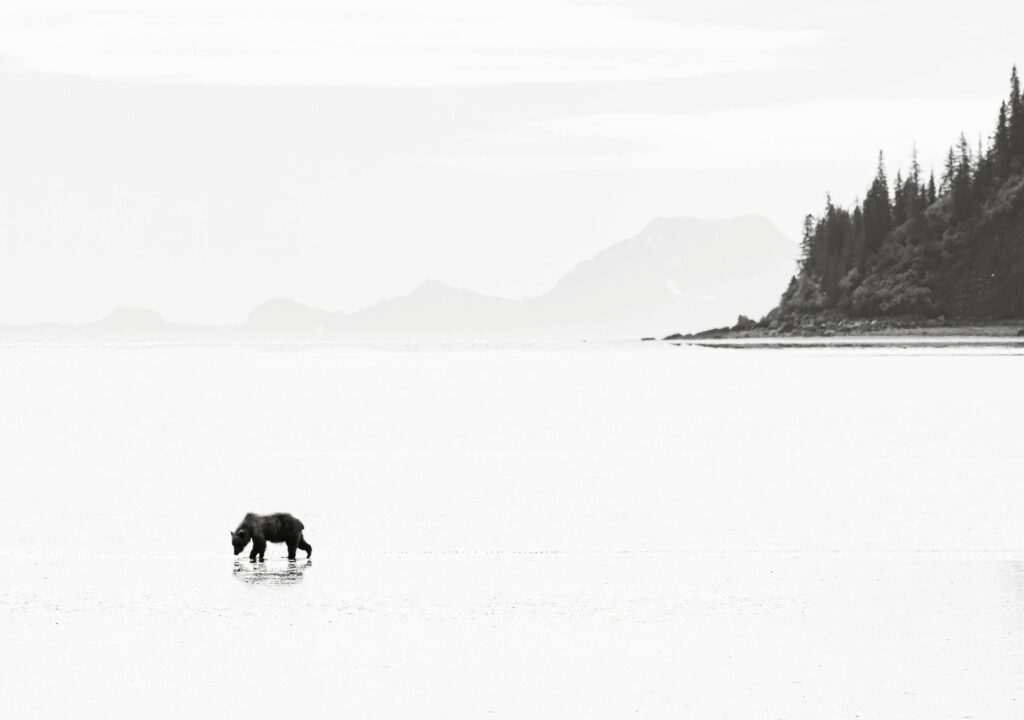
The Pacific Coast section borders the western shore of Cook Inlet, with beach and tidal flat terrain that supports a significant concentration of coastal brown bears. This is the Chinitna Bay area — where bears forage for clams and sedge grass on wide tidal beaches in an environment that looks nothing like the interior.
The interior mountains and lake country features the Chigmit Mountains (a southern extension of the Alaska Range, including active volcanoes), the Neacola Mountains, hundreds of lakes, and the lake that gives the park its name: Lake Clark, 42 miles long and one of the most scenic bodies of water in Alaska.
There are no roads within the park connecting to the outside highway system. Getting anywhere in Lake Clark requires a small aircraft. Most visitors fly from Anchorage to Port Alsworth (the park hub community) or directly to their lodge or camping destination via floatplane.
Brown Bear Viewing at Chinitna Bay
The Chinitna Bay coastline in the Pacific Coast section of the park offers brown bear viewing that rivals Katmai’s famous Brooks Falls — with far fewer visitors. Bears congregate on the tidal flats and beaches to dig clams, graze sedge grass, and socialize during spring and early summer. The viewing here is different from Katmai: instead of bears at a salmon falls, you’re watching bears in a beach and intertidal environment, with Mount Redoubt and other Cook Inlet volcanoes visible across the water.
Day trip bear viewing flights from Anchorage and Homer are available through several operators, including Regal Air and others based in Anchorage. These fly you to Chinitna Bay, spend time with the bears (often 3–5 hours of viewing depending on bear activity), and return. Day trip pricing runs $500–$800+ per person depending on the operator and group size.
For more extended viewing, lodge packages provide multi-day access with professional guides and dramatically more time in the field. The combination of morning and evening viewing sessions over 2–3 days produces wildly different bear behavioral encounters and is the way serious wildlife viewers approach the park.
Port Alsworth: The Park Hub
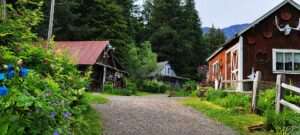
Port Alsworth is a small community of about 150 people on the south shore of Lake Clark — the largest community in the park and the location of the NPS visitor center, the park headquarters, and the primary airstrip. Several lodges operate in and around Port Alsworth, and the community has a small general store. The visitor center has interpretive materials and staff who can advise on current conditions and the best approaches for self-guided activity.
The Tanalian Trail system accessible from Port Alsworth includes excellent day hiking options: the 4-mile Tanalian Falls trail leads to a series of waterfalls on the Tanalian River, and the Tanalian Mountain hike continues beyond the falls to panoramic summit views of Lake Clark and the surrounding mountains. Both are well-maintained and among the most accessible quality hikes in any fly-in Alaska park.
Lake Clark for Kayaking and Fishing
Lake Clark itself offers outstanding kayaking — calm protected water (in normal conditions), spectacular mountain scenery in every direction, and excellent lake trout and arctic char fishing. Self-guided kayaking trips require bringing your own packable kayak (inflatable options work well for fly-in logistics) or arranging rental through a lodge. The lake spans 42 miles; multi-day paddles with camping along the shore are a genuine wilderness experience available to intermediate paddlers.
Fly-in fishing for Dolly Varden, rainbow trout, Arctic grayling, and sockeye salmon is exceptional in the park’s rivers and lakes, with the Mulchatna drainage (the park’s wild and scenic river system) offering some of the best remote river fishing in Alaska.
Guided Lodge Packages vs. Independent Fly-In Camping
Lodge packages are the most accessible and logistically complete option. Packages typically include round-trip flights from Anchorage, lodging, meals, and guided activities (bear viewing, fishing, hiking). Expect to pay $1,500–$4,000+ per person for a 3-day package depending on the lodge. These are genuine wilderness lodges — rustic but comfortable, staffed by experienced Alaska guides — not luxury resort operations.
Independent backcountry camping requires more planning but is available without a permit for most of the park (normal Alaska wilderness camping protocols apply — bear canisters required, LNT practices). You arrange your own fly-in from Anchorage or Homer to the specific lake or drainage you’re targeting, set up camp, and operate independently. This is genuinely remote camping with no support infrastructure.
Practical Planning
Book flights and lodging well in advance — the Alaska bear viewing season (July for salmon rivers, spring through fall for coast) is in high demand and small lodges have limited capacity. The NPS visitor center (reachable by phone and online) provides permit information and current conditions. Weather delays are common in the Interior; build extra days into your schedule if your return flight timing is rigid.
Lake Clark rewards the effort required to get there with the kind of Alaska experience that’s becoming harder to find: vast, wild, and largely unhurried.

No comments yet.