Snowmobiling Near Anchorage Alaska: Best Spots & Guide 2026
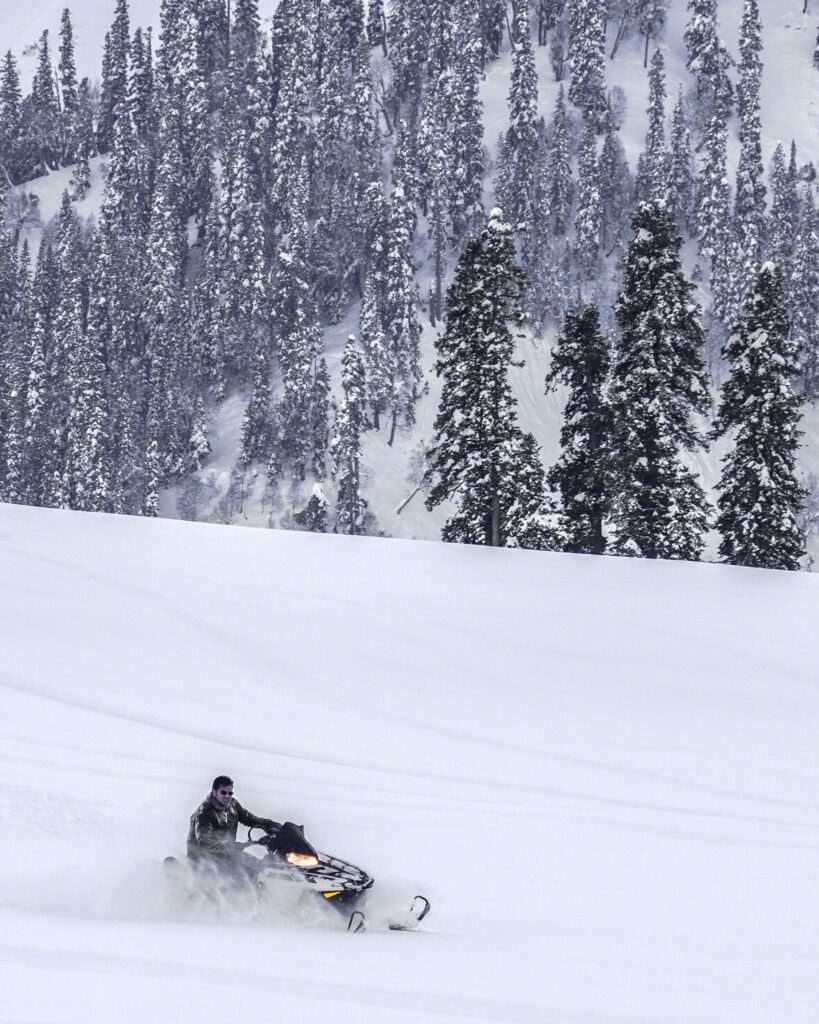
Anchorage doesn’t have local snowmobiling terrain, but it sits within striking distance of some of the best in Alaska. Hatcher Pass, 70 miles north, offers high alpine bowls and the dramatic backdrop of the Independence Mine ruins in a winter landscape that looks like nowhere else. Turnagain Pass, 60 miles south, has groomed trails and open terrain across Chugach National Forest. Talkeetna, 115 miles north, adds a third option with mountain views and less crowded terrain. All three are achievable as day trips. Here’s what to know before you go in 2026.
Hatcher Pass — The Premier Snowmobiling Destination
Hatcher Pass is the default answer when Alaskans talk about snowmobiling near Anchorage. The terrain — high alpine bowls, open ridgelines, and mountain faces above treeline — puts it in a different category from the forested trail riding that defines snowmobiling in most of the Lower 48. The historic buildings of the Hatcher Pass and Independence Mine State Historical Park provide an unusual backdrop: a gold rush-era mining complex half-buried in snow, surrounded by terrain that draws riders from across Southcentral Alaska every winter.
Access to Hatcher Pass is via Palmer on the Glenn Highway north of Anchorage — roughly 70 miles and 90 minutes from the city. The road into Hatcher Pass climbs steeply and typically becomes a winter recreation area from mid-November through April, with the upper elevations offering snow from October in strong years. Parking is available at multiple pullouts along the access road; arrive early on weekends, as the pass draws significant crowds on good snow days.
The terrain at Hatcher Pass runs from moderate to expert. The lower bowls are accessible to intermediate riders willing to handle some elevation and open slope. The upper ridgelines and faces draw advanced riders looking for steeper terrain and bigger mountains. Stay aware of terrain traps — gullies and cliff edges that aren’t always obvious from a distance — and never ride alone.
Turnagain Pass — Groomed Trails and Open Powder
Turnagain Pass sits 60 miles south of Anchorage on the Seward Highway, in Chugach National Forest. It’s the go-to for groomed trail riding — the forest service maintains marked snowmobile trails in the area — and for side-by-side snowmobiling with the skiers and snowshoers who share the pass. The terrain is less dramatic than Hatcher Pass in scale but more accessible as a half-day trip from the city, and the Seward Highway drive through Turnagain Arm is worth the commute in any season.
Turnagain Pass sits in an avalanche zone. The open bowls and steep terrain that make it attractive for backcountry riding also make it dangerous in unstable snow conditions. Check the Alaska Avalanche Center forecast (alaskasnow.org) before every trip to the pass; the Turnagain zone has its own advisory. The forest service closes specific areas when avalanche danger reaches certain thresholds. This isn’t a place to improvise avalanche safety — carry a beacon, shovel, and probe and know how to use them before you ride here.
Talkeetna Area — More Terrain, Fewer Crowds
Talkeetna is 115 miles north of Anchorage on the Parks Highway, an hour and 45 minutes to two hours from the city. The snowmobiling terrain in the Mat-Su Valley northwest of Talkeetna — the Trapper Creek and Alexander Creek areas — is less crowded than Hatcher Pass and offers a mix of forested trail riding and open country terrain with Denali visible on clear days. It’s a longer drive but rewards riders who want space and a wilder feel to the day.
Talkeetna itself is a small community with a strong outdoor character that’s worth spending time in before or after a riding day. The combination of the terrain access and the town makes an overnight trip more compelling here than at Hatcher Pass or Turnagain.
Rentals and Guided Tours
Visitors without their own equipment can rent snowmobiles from operators near Hatcher Pass and in the Matanuska-Susitna Valley. Rental packages typically include the machine, helmet, and a basic briefing on operation. Some outfitters offer guided tours that handle the logistics — trailering equipment to the riding area, leading groups through terrain appropriate for their skill level, and providing safety gear and instruction.
Guided tours are strongly recommended for first-time riders and for anyone unfamiliar with Alaska’s backcountry terrain. A guide who knows Hatcher Pass or the Turnagain terrain can keep a group out of hazardous zones that aren’t obviously marked, provide context for reading snow conditions, and handle the mechanical issues that inevitably arise when a rental fleet is running hard in winter conditions.
Avalanche Safety — Non-Negotiable
Snowmobiling at Hatcher Pass and Turnagain Pass means riding in avalanche terrain. This isn’t a side note — it’s the primary safety consideration for both destinations and the reason the Alaska Avalanche Center’s daily forecasts exist. The three pieces of equipment every rider at these locations needs to carry are a transceiver (avalanche beacon), a shovel, and a probe. All three, every time. They do nothing if you don’t know how to use them; take an avalanche safety course before your first season riding in Alaska backcountry.
The practical rules: check the avalanche forecast the morning of every ride, don’t ride steep convex rolls or terrain traps when the danger level is Considerable or higher, and ride one at a time on exposed slopes so that a burial doesn’t take out your entire group. The Alaska Avalanche Center’s forecasts include detailed terrain guidance for the Hatcher Pass and Turnagain zones — read the full forecast, not just the danger rating number.
Season and Snow Conditions
The snowmobile season near Anchorage typically runs November through April, with December through March the most consistent window for deep snowpack and stable conditions. Early season (November-December) varies by year — some years Hatcher Pass has excellent riding by Thanksgiving, others require patience into December. Late season (March-April) brings longer daylight, which extends riding hours and makes day trips more pleasant, but also increases the risk of wet, heavy snow that affects both riding quality and avalanche stability.
Snow depths at Hatcher Pass and Turnagain typically exceed what most Lower 48 riders encounter — 100 to 200 inches of snowpack is normal at elevation. Deep powder riding requires more powerful machines and more technique than groomed trail riding; if you’re renting, ask for a machine appropriate for the conditions you’re planning to encounter.
Permits and Regulations
Turnagain Pass snowmobiling is on Chugach National Forest land, which doesn’t require a specific snowmobile permit but does require staying in designated snowmobile areas away from the cross-country ski trails on the north side of the highway. Snowmobiles are prohibited on the groomed ski trails; the motorized and non-motorized areas are signed. Hatcher Pass is managed by the Matanuska-Susitna Borough; the recreational access roads are maintained in winter and no motorized permit is required for the open terrain.
All snowmobiles operating on Alaska public lands need to be registered in Alaska or in the operator’s home state. Check current ADF&G and USFS regulations before your trip, as access designations can change season to season.
What to Wear
Snowmobiling generates significant wind chill at speed and involves extended outdoor exposure at elevation. Dress in insulating base layers, a mid-layer, and a windproof outer shell. Snowmobile-specific suits (bibs and jacket) handle the combination of physical activity and wind exposure better than standard ski gear. Face protection — a balaclava under a helmet or a neck gaiter — is essential on Hatcher Pass, where winds at ridge elevation can be brutal. Waterproof gloves and warm boots rated for sub-zero temperatures round out the essentials. Rental outfitters can advise on what to wear for specific conditions.
If you’re staying in Anchorage and want complementary winter activities on days when you’re not heading to the mountains, the Kincaid Park Winter Sports Center offers Nordic skiing and fat biking on maintained trails, and the Hillside Park Nordic Skiing Trails provide groomed cross-country routes within city limits.
How far is Hatcher Pass from Anchorage for snowmobiling?
Hatcher Pass is about 70 miles from Anchorage — roughly 90 minutes via the Glenn Highway to Palmer, then north on the Hatcher Pass Road. The upper pass is typically accessible by snowmobile from mid-November through April. It’s the most popular snowmobiling destination near Anchorage and can get crowded on weekends in good snow conditions; arriving early is worth the extra effort.
Do you need an avalanche beacon to snowmobile at Hatcher Pass or Turnagain Pass?
Yes — both areas have significant avalanche terrain, and riding without an avalanche beacon, shovel, and probe is considered reckless by any standard. The Alaska Avalanche Center posts daily forecasts for both the Hatcher Pass zone and the Turnagain zone at alaskasnow.org. Check the forecast the morning of every ride and follow the terrain guidance. Taking an avalanche safety course before riding Alaska backcountry is strongly recommended for anyone new to the terrain.
Can beginners snowmobile near Anchorage?
Yes, with appropriate guidance. Turnagain Pass has groomed trail riding that suits beginners, and the lower terrain at Hatcher Pass is manageable with instruction. Guided tours are strongly recommended for first-time riders — operators familiar with the terrain keep beginners away from hazardous zones and provide instruction on machine operation. Renting from an established outfitter near the riding area rather than trailering equipment from Anchorage simplifies the logistics significantly.
What’s the best month to snowmobile near Anchorage?
January and February offer the most reliable combination of deep snowpack, stable conditions, and reasonable daylight. March is excellent for daylight — hours have increased significantly by mid-month — and snowpack is typically at its deepest, though wet snow and increased avalanche risk become more of a factor as temperatures rise. December can be excellent in strong snow years. November is variable. April extends the season but requires close attention to conditions as daytime warming makes the snowpack less predictable.
Hatcher Pass is the standard-setter — if you’re going to snowmobile near Anchorage once, that’s the destination. The combination of alpine terrain, historic backdrop, and 90-minute access from the city puts it in a category that’s hard to replicate elsewhere. Book a guided tour if you’re new to the terrain, carry avalanche safety equipment, and check the avalanche forecast before you leave. The riding is worth the preparation.
Featured photo by GreatThingsLLC on Pexels.
No comments yet.