
Alaska Wildlife Conservation Center: Complete Visitor Guide 2026
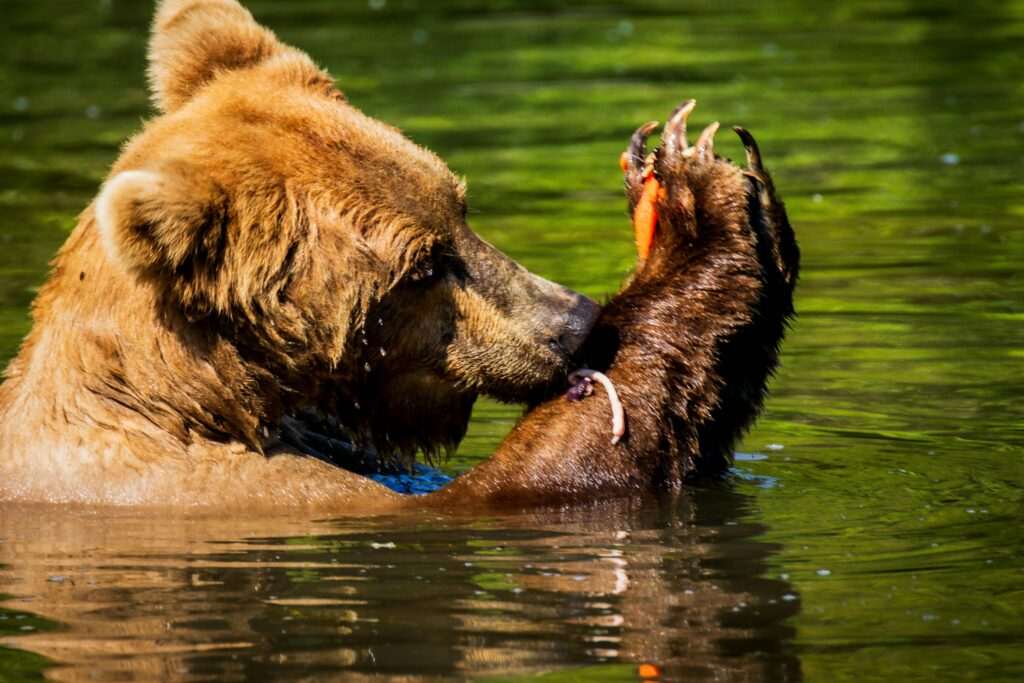
Alaska has one of the world’s most extraordinary wildlife rosters — brown bears, musk oxen, wood bison, wolves, caribou, and lynx among them — but most visitors encounter these animals only as distant silhouettes across a tundra valley or in fleeting roadside glimpses on the Parks Highway. The Alaska Wildlife Conservation Center changes the math. Located at Mile 79.2 of the Seward Highway, 45 minutes south of downtown Anchorage, AWCC gives visitors a close, unhurried look at Alaska’s large mammals within a genuine boreal landscape — not a zoo in the conventional sense, but a working wildlife rescue and rehabilitation facility where residents are animals that could not survive in the wild. The result is one of the best wildlife viewing experiences in Southcentral Alaska, accessible as a half-day addition to almost any Anchorage itinerary.
The Conservation Mission
AWCC was founded not as a tourist destination but as a response to a practical problem: Alaska generates a steady stream of orphaned and injured wildlife that cannot be returned to the wild. Cubs whose mothers are killed, animals injured in vehicle collisions, and wolves habituated to human contact arrive at AWCC rather than being euthanized. The facility operates on 200 acres with spacious, naturalistic enclosures — a deliberate departure from the confined exhibit model — and pairs wildlife care with public education and conservation research. Revenue from admissions funds the care program, which means a visit directly supports the animals on site.
This backstory shapes how AWCC feels as a visitor experience. These are not captive-bred animals performing behaviors for food rewards. They are Alaska wildlife living in Alaska terrain, and the encounters feel correspondingly different from a conventional zoo — more documentary, less performance.
The Animal Roster
The resident population changes over time as animals arrive and are occasionally placed with other facilities. Consistently present across summer seasons:
- Brown bears: AWCC maintains one of the largest brown bear populations of any wildlife facility in the state. Multiple individuals in separate large enclosures mean behavioral variety — foraging, swimming, and denning visible depending on season and time of day.
- Black bears: Smaller and often more active during daylight hours than the browns, typically easier to photograph in good light.
- Wood bison: AWCC played a central role in reintroducing wood bison to Alaska after a century-long absence. The herd is part of an active breeding program; calves appear in late spring.
- Musk oxen: Prehistoric in appearance and genuinely enormous up close. Musk oxen are calmer than bison and often found near the perimeter of their enclosure, accessible for extended observation.
- Caribou: Alaska’s iconic migratory species at close range. Antler growth is dramatic through the summer months.
- Wolves: AWCC’s wolf pack is one of the facility’s most compelling exhibits — a bonded social group that displays the kind of behavioral complexity rarely visible in the wild.
- Lynx: Solitary and largely crepuscular in the wild, lynx are often more visible at AWCC than during any backcountry encounter.
- Moose: Unmistakably massive at close range — a useful calibration for visitors who later spot moose along highway shoulders and want to understand the scale.
- Additional species: Elk, porcupines, Sitka black-tailed deer, and birds of prey including bald and golden eagles round out the population. Species mix varies seasonally; check AWCC’s current resident list before visiting if a specific animal is a priority.
How Visiting Works
AWCC operates as a combination drive-through and walk-through facility. The entry road passes multiple large enclosures where vehicles can stop at designated pull-outs — the most efficient format for families with young children or visitors with mobility limitations. Walking paths connect the same exhibits for those who want to slow down, read interpretive panels, and spend more time at individual enclosures. The paths are gravel-surfaced and flat, manageable in standard footwear.
Plan on 1.5 to 2.5 hours for a complete visit. Rushing through in 45 minutes is possible but misses the behavioral dimension — bears are most active in the early morning and late afternoon, and the wolf pack often becomes more visible as visitor traffic quiets in the second half of the day. Early-morning arrivals typically have smaller crowds and better animal activity. The facility is set within the Portage Valley, with the Chugach Mountains rising immediately behind the enclosures. Wildlife in the foreground against glacier-carved peaks is one of the better photographic landscapes in Southcentral Alaska accessible without a backcountry permit.
Photography at AWCC
AWCC is legitimately one of the better large-mammal photography locations reachable on an Anchorage day trip. Practical notes for getting the most out of it:
- Light and timing: Golden hour — the first and last two hours of daylight — produces the best light on the enclosures. Alaska summer extends this window dramatically; a 9 PM visit in June still has directional light. Midday sun flattens contrast and creates harsh shadows in forested enclosures.
- Equipment: A 200–400mm telephoto covers most enclosures effectively. Bring a longer lens for wolf and lynx exhibits where animals may be at distance. A 70–200mm f/2.8 handles bears and bison at close range.
- Backgrounds: The mountain backdrop behind the bison and musk ox enclosures is the strongest contextual frame. Position at the near side of the pull-out to maximize mountain-to-sky ratio rather than shooting into the tree line.
- Behavior over portraits: Patience pays off. Bear activity, wolf pack dynamics, and bison social interaction are more compelling than static portraits — give yourself time for behavioral sequences before moving to the next enclosure.
Pairing AWCC with the Seward Highway
The Seward Highway between Anchorage and Seward is one of the most scenic drives in Alaska — Turnagain Arm tidal flats, Portage Valley, and the Kenai Peninsula backcountry within a 127-mile corridor. AWCC at Mile 79.2 sits naturally in the middle of this route and pairs cleanly with several nearby destinations.
Portage Glacier is 5 miles east of AWCC via Portage Glacier Road. Portage Glacier boat tours run from Portage Lake and are the only way to approach the glacier face directly; combined with an AWCC visit, this constitutes a full-day Seward Highway itinerary covering ice and wildlife without driving all the way to Seward. Plan for AWCC in the morning and a Portage boat tour in the early afternoon — both fit comfortably within a single day.
For those continuing south, AWCC works as a natural first stop — the facility’s opening time aligns with a schedule that allows visitors to arrive in Seward by midday for a harbor experience or afternoon boat tour on Resurrection Bay. The Chugach State Park corridor visible from the highway between Anchorage and Portage provides landscape context for where AWCC’s animals originate — temperate rainforest, glacial drainages, and braided river systems that define the southern Chugach ecosystem.
Practical Information
AWCC operates daily from May through September, with limited access during winter months. Summer hours typically run from 8 AM to 8 PM, though hours shift with seasonal changes — confirm current times before planning a late-afternoon visit. The facility’s interpretive center near the entrance is worth 20 minutes: exhibits cover the conservation history of each resident species and provide context that deepens the animal viewing experience that follows.
Admission is charged per person. Adult admission runs approximately $20–25; youth and senior rates are lower. Annual passes are available for Alaska residents and repeat visitors. The gift shop carries field guides and Alaska wildlife books appropriate for preparing children for what they will see on the grounds.
AWCC is located at Mile 79.2 of the Seward Highway — look for the signed turnoff on the east side of the highway immediately south of Portage Creek. Parking is free and generally ample except on peak summer weekends. Cell service in the Portage Valley can be unreliable; download the facility map and operating information before departing Anchorage. The drive south from downtown takes 45 minutes under normal summer conditions; add 15–20 minutes on peak summer weekends when recreational traffic on the Seward Highway is heavy.
Featured photo by Lamont Mead on Pexels.
No comments yet.