
Skiing at Alyeska Resort Girdwood 2026
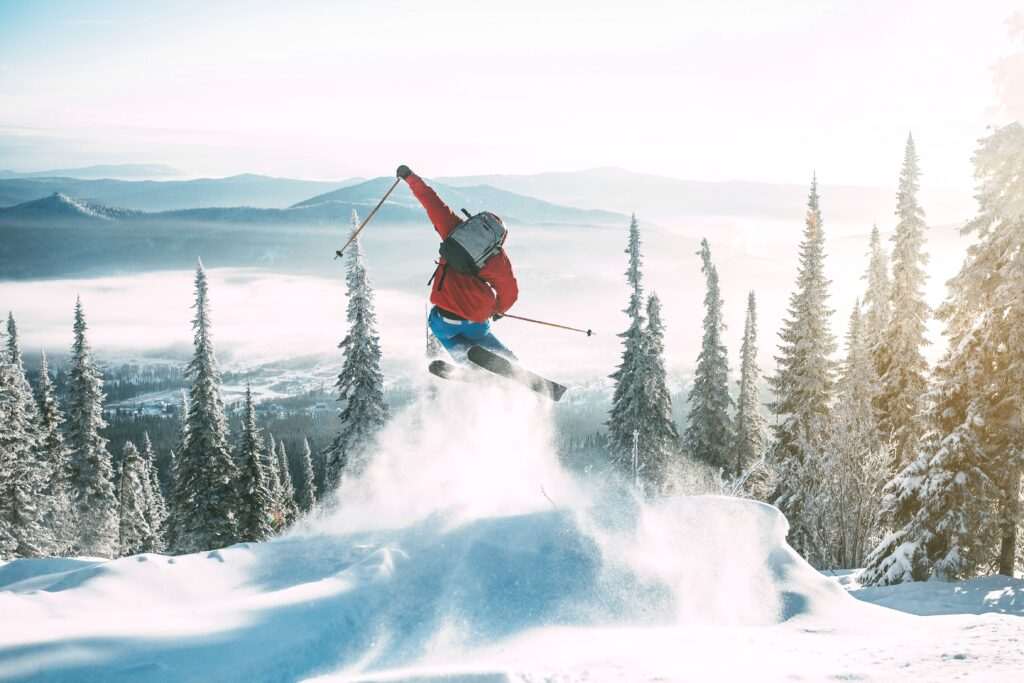
Alyeska Resort in Girdwood is Alaska’s only major ski destination — a genuine mountain with 2,500 vertical feet, more than 1,000 skiable acres, and the kind of terrain that keeps advanced skiers engaged without leaving intermediate skiers behind. It sits 40 miles south of Anchorage on the Seward Highway, close enough for a day trip but rewarding enough to justify a night in Girdwood. The drive, the mountain, and the après-ski scene are all better than the resort’s relative obscurity outside Alaska suggests. Here’s what to know before you go in 2026.
Getting There: 45 Minutes from Anchorage
The drive from Anchorage to Girdwood takes about 45 minutes — 40 miles south on the Seward Highway through the Turnagain Arm canyon, where the road runs between the water and the Chugach Mountains. It’s one of the better scenic drives in Alaska in any season: in winter, ice forms on the cliffs above the highway, the bore tide moves through the Arm on a predictable schedule, and the light on the mountains in late afternoon is exceptional. The Alaska Wildlife Conservation Center near Portage sits 25 miles into the drive and makes a logical stop on the way out if you’ve got extra time.
The resort entrance is clearly signed from the Seward Highway. The road into the Girdwood valley climbs gently through spruce forest before opening to the base area, where Hotel Alyeska and the ski infrastructure occupy the valley floor. Parking is free at the mountain — not something most major ski resorts can say. Check road conditions at 511.alaska.gov before driving out after overnight storms; the Seward Highway along Turnagain Arm occasionally closes for avalanche control work.
Mountain Stats and Terrain
Alyeska’s numbers are meaningful: 2,500 vertical feet, more than 1,000 skiable acres, and 60-plus trails across all ability levels. The terrain breakdown runs roughly 10% beginner, 40% intermediate, and 50% advanced/expert — a distribution that favors people who want something more challenging than groomed cruisers. The summit reaches 3,939 feet, and the mountain’s north-facing exposure means snow preservation is excellent and you rarely hit sun-baked conditions even on warmer days.
Alyeska averages around 669 inches of snowfall per season — among the highest of any lift-served mountain in North America. On a powder day, the resort doesn’t feel overcrowded compared to equivalent mountains in the Lower 48. Tree skiing in the glades below the upper mountain and expert chutes near the summit hold powder long after the groomed runs have been tracked out. The Arctic Valley Ski Area northeast of Anchorage is the region’s other lift-served option, but it doesn’t compare in vertical or scale — Alyeska is the one serious mountain in Southcentral Alaska.
The Alyeska Tram
The Alyeska Resort Aerial Tram is the fastest way to the summit and the defining feature of the resort’s infrastructure. It carries both skiers and sightseers to the 2,300-foot tram terminal, where the Bore Tide Deli & Bar and a viewing deck overlook the valley and Turnagain Arm below. The tram runs independently of ski lift operations, so it’s accessible on non-ski days for anyone who wants the summit view without the vertical descent. A winter tram ride on a clear day — the Arm and the Kenai Mountains visible across the water — is worth the ticket regardless of whether you ski.
The tram terminal connects to the mountain’s expert terrain on the upper faces. For advanced skiers, the combination of tram access and north-facing chutes makes Alyeska’s upper mountain one of the better lift-served experiences in Alaska.
Ski Season: When to Go
The official season typically runs from late November through mid-April, with December through March the most reliable window. Early season (late November–December) varies — some years open with excellent base depth, others require patience. January and February offer the deepest snowpack and the most consistent powder days. March extends the season with longer daylight and stable cold temperatures that preserve snow quality. April skiing at Alyeska is spring-condition skiing — corn snow and sunshine — a different but enjoyable experience.
Weekend lift lines form during peak months, particularly in February and over holiday periods. Midweek visits are noticeably less crowded. Anchorage day-trippers drive up Friday evening or Saturday morning, so arriving at rope drop on weekends is the best way to get first tracks before the mountain gets busy.
Lift Tickets and Passes
In 2026, full-day adult lift tickets at Alyeska run in the $90–$110 range, with variation by day of week and booking lead time — weekend walk-up tickets cost more than advance weekday purchases. Multi-day passes and season passes offer better per-day value for anyone staying multiple nights. Alyeska participates in the Ikon Pass, which includes a limited number of days at the resort depending on pass tier. If you already hold an Ikon Pass, confirm current Alyeska access terms before you arrive, as allocation can vary by season. Tram-only tickets for non-skiing visitors are sold separately at the base.
Ski School and Rentals
Alyeska’s ski and snowboard school operates out of the base lodge with group and private lesson options for all ability levels. Group lessons are offered at beginner, intermediate, and advanced levels with morning and afternoon sessions — advance booking is recommended during peak season. Private instruction is available with more scheduling flexibility. The ski school is well-suited to teaching children; the beginner terrain at the base area is well-configured for new skiers of any age.
Rental equipment — skis, snowboards, boots, and poles — is available at the resort. The rental shop stocks contemporary equipment adequate for visitors who don’t travel with their own gear. Reserving rentals online before you arrive saves time at the counter on busy days.
Non-Skiing Winter Activities
Alyeska has enough non-skiing infrastructure to make the resort worth visiting even if you don’t ski. Spa Alyeska inside Hotel Alyeska is a full-service spa with treatments, sauna facilities, and a pool — it books up on weekends, so reservations in advance are worthwhile. After a morning of skiing, the spa handles sore legs better than anything else in the valley.
Nordic skiing and snowshoeing trails run through the Girdwood valley away from the alpine terrain. The surrounding forest is old-growth Sitka spruce — quiet in winter, with trails that offer a genuine cross-country experience separate from the resort’s downhill operation. Equipment rentals for Nordic skiing are available in the Girdwood area.
Summer at Alyeska
The tram runs through summer (June through September), carrying hikers and sightseers to the summit terminal where trails branch out across the alpine terrain. The summer tram view — glacier-carved valleys, Turnagain Arm stretching toward Cook Inlet, wildflowers on the slope below — is different from the winter version and worth a separate trip. Mountain biking trails are accessible from the base area during summer operation, with a mix of intermediate and advanced routes through the spruce forest.
Girdwood hosts the Girdwood Forest Fair in mid-July, a two-day arts, crafts, and music festival that draws a mix of locals and visitors. It’s the kind of small Alaskan community event that has no equivalent in a larger city — worth building a Girdwood overnight around if the dates align with your trip.
Where to Stay in Girdwood
Hotel Alyeska is the resort’s on-site accommodation — a full-service mountain hotel at the base of the lifts with ski-in/ski-out access, multiple restaurants, and Spa Alyeska on the premises. Room rates in peak winter season are on the higher end for Alaska lodging, but walking to the lifts on early-start mornings has real value. Book early; the hotel fills on winter weekends by October.
The Girdwood valley has rental cabins and vacation homes available for groups and families who want more space than a hotel room. These book through standard vacation rental platforms and often provide better value per person for parties of four or more, with the added advantage of a kitchen for multi-night trips.
How far is Alyeska Resort from Anchorage?
Alyeska Resort is 40 miles south of Anchorage via the Seward Highway — about a 45-minute drive under normal winter conditions. The road is paved and maintained year-round, though the Turnagain Arm section can have icy patches in winter and is occasionally closed for avalanche control. Check road conditions at 511.alaska.gov before driving out after overnight storms. The scenic drive along Turnagain Arm — with the water, cliffs, and Chugach peaks — makes the commute genuinely enjoyable rather than just functional.
What’s the ski season at Alyeska Resort?
Alyeska’s season typically runs late November through mid-April. December through March is the most reliable window for conditions — the resort averages around 669 inches of snowfall per season, so base depths are generally deep by mid-December and hold through March. Spring skiing in April offers longer days and softer snow. Early season (late November–early December) varies by year depending on snowfall timing. Check the resort’s snow report before each trip during the shoulder weeks at both ends of the season.
Does Alyeska Resort have beginner terrain?
Yes, though Alyeska skews intermediate-to-advanced overall (roughly 50% advanced/expert terrain). The beginner area at the base is well-configured for first-time skiers and snowboarders, with a dedicated learning zone and conveyor-belt lift access that keeps new learners off the chairlifts until they’re ready. The ski school’s beginner group lessons use this area and are appropriate for both children and adults who haven’t skied before. Intermediate skiers will find the groomed runs on the main mountain well-suited to their level.
Can you visit Alyeska without skiing?
Yes — the Alyeska Tram operates independently of ski lift tickets and carries non-skiing visitors to the summit terminal for mountain views over Turnagain Arm and the Kenai Mountains. Spa Alyeska in Hotel Alyeska is open to non-hotel guests with reservations. The Bore Tide Deli & Bar at the tram terminal serves food year-round. In summer, the tram provides hiking access to alpine terrain above the valley. Girdwood itself has dining and a distinctive small-town character that makes the drive worthwhile even without a lift ticket.
Alyeska earns its reputation as Alaska’s ski mountain rather than just an Alaskan ski mountain. The vertical, the snowfall, and the terrain variety put it in a different category from the region’s other lift-served options, and the 45-minute proximity to Anchorage makes it genuinely practical as a day trip. Plan midweek if you want to avoid weekend crowds, check the snow report before you drive, and budget time for the tram even if you’re not skiing — the view from the summit terminal in winter is one of the better arguments for choosing Alaska as a destination in the first place.
No comments yet.