
Glacier Hiking Tours Near Anchorage 2026: Matanuska, Portage & Exit Glacier
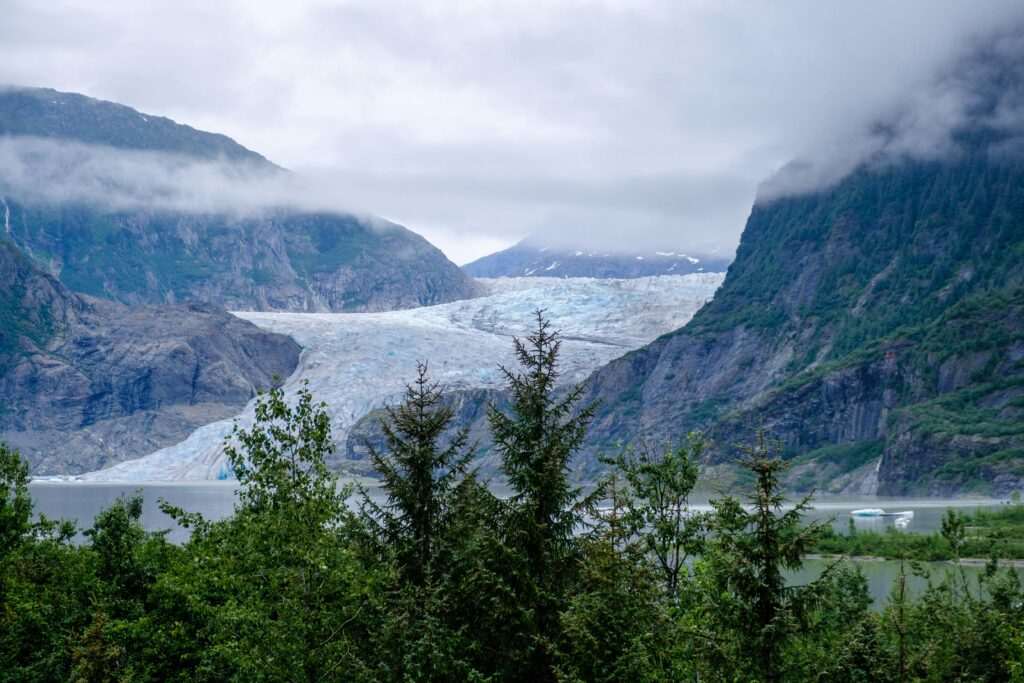
Anchorage sits at the gateway to one of the most accessible concentrations of glacial ice on the planet. Within a two-and-a-half-hour drive in any direction, visitors can walk on blue ice, peer into crevasses with a certified guide, watch icebergs calve from a boat, or hike to the edge of a field covering thousands of square miles. The geography here is extraordinary: Alaska holds more glacial ice than the rest of the inhabited world combined, and Anchorage is the hub from which most of that ice is reached. This guide covers the main glacier day trips from Anchorage — what each one offers, how to access it, and what the experience actually involves.
Matanuska Glacier — Guided Ice Walks (2.5 Hours North)
The Matanuska Glacier, 100 miles northeast of Anchorage in the Matanuska-Susitna Valley, is the most accessible large glacier in the United States accessible by car. The glacier is roughly 27 miles long and 4 miles wide, and the terminus sits at the end of a short access road off the Glenn Highway. Unlike more remote Alaska glaciers, Matanuska can be approached without any helicopter or boat — you drive to it, gear up, and walk onto the ice.
Guided ice walks are the standard way to experience the glacier. Tour operators based at the glacier provide crampons, ice axes where appropriate, and certified guides who lead groups across the glacier surface. The terrain varies significantly: near the terminus the ice is debris-covered and uneven, but farther out visitors encounter clean blue ice, active meltwater channels, and crevasse fields that require roped navigation. Tours range from two-hour introductory walks near the terminus to full-day expeditions into the crevasse zone. The introductory walks are appropriate for most adults and older children with reasonable fitness; the more technical routes require previous experience or guide pre-screening.
Summer access (May through September) is the standard glacier hiking season. The ice is solid year-round but summer provides the most stable footing, the best light, and the most interesting surface features as meltwater streams carve channels through the blue ice. Spring and fall offer fewer crowds and lower prices. Winter visits are possible but require significantly more gear and experience. Costs for guided tours typically run $50–$125 per person depending on tour length and group size; book directly with the glacier access companies on-site rather than through third-party aggregators to get current availability.
Portage Glacier and Whittier — Boat Tours (1 Hour South)
The Portage Valley, 50 miles south of Anchorage through the Chugach Mountains, contains some of the most dramatic glacial scenery in Southcentral Alaska. Portage Glacier itself — once visible from the road — has retreated significantly and now terminates in Portage Lake, accessible by boat from the Begich Boggs Visitor Center. The Forest Service visitor center is an excellent first stop: exhibits explain glacial geology, retreat rates, and the regional ecology, and the large windows face the lake where icebergs float throughout the summer season.
Boat tours across Portage Lake bring visitors within several hundred yards of the active glacier face. From the water, the scale of the ice becomes apparent — the glacier calves directly into the lake, and the boat positions to observe the process safely. Tour duration is approximately one hour; departures run multiple times daily in summer. The surrounding valley, managed within the Chugach State Park system, offers additional hiking on maintained trails, including the short Byron Glacier Trail (described below).
Whittier, accessible from the Portage Valley through a 2.5-mile tunnel (the only road tunnel in Alaska shared with railroad traffic), adds options for kayaking among icebergs and boat-based glacier viewing in Prince William Sound. Day trips to Whittier combine well with Portage, as the drive is short and Whittier’s harbor has multiple tour operators running half-day and full-day glacier and wildlife cruises. The combination of Portage Valley and Whittier makes for a full day from Anchorage.
Exit Glacier at Kenai Fjords — NPS Guided Walks (2.5 Hours South)
Exit Glacier, nine miles outside Seward on the Kenai Peninsula, is the most visitor-friendly glacier experience managed by the National Park Service. The glacier is one of the few outlets of the Harding Icefield — a 700-square-mile ice sheet that feeds 40 glaciers — and its terminus is reachable by a short trail from the Kenai Fjords National Park visitor area. The walk from the parking area to the glacier base is under a mile on a maintained trail, making it accessible to most visitors including families with children.
The NPS runs ranger-led interpretive walks at Exit Glacier during summer, departing from the visitor center. These guided walks go to the glacier terminus and cover the glacier’s retreat history — marker signs along the trail show the glacier’s position in previous decades, providing a vivid demonstration of retreat rates over time. The hike to the Harding Icefield overlook, a more demanding seven-mile round trip with significant elevation gain, rewards those with the fitness for it: the view from the ice field edge is one of the most dramatic accessible anywhere in Alaska.
Seward itself is worth the full day. Beyond Exit Glacier, Kenai Fjords National Park offers boat-based glacier and wildlife viewing tours from Seward harbor. These tours cover active tidewater glaciers in the fiords — Aialik Glacier, Holgate Glacier, and others — with calving events, marine wildlife, and the dramatic scale of glaciers meeting the sea. Booking Seward boat tours in advance is strongly recommended during July and August.
Byron Glacier — Free and Easy (1 Hour South)
Byron Glacier, in the Portage Valley near the Begich Boggs Visitor Center, is the most accessible no-cost glacier experience near Anchorage. A flat, one-mile trail leads to the base of the glacier; the walk is straightforward enough for children and older visitors. The glacier itself is smaller than Matanuska or Exit, but the terminus is close to the trail and in summer visitors can typically walk up to the ice edge without any guide or equipment.
An unusual feature of Byron Glacier in late winter and early spring is the snow caves that form beneath the glacier — ice caves created by meltwater channels that become accessible after snowpack builds. These caves attract visitors in March and April before summer melt closes them. If visiting during that window, check conditions in advance; the caves are not marked trails and require awareness of overhead ice conditions. The Eagle River Nature Center, another outdoor hub operated through the Chugach State Park system, is a good resource for current trail and conditions information across the park.
Knik Glacier — Helicopter Access
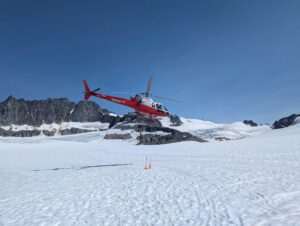
Knik Glacier, northeast of Anchorage near Palmer, is accessible by helicopter from operators in the Mat-Su Valley. Unlike the drive-up glaciers, Knik requires either a helicopter flight or a boat trip across the Knik River — the helicopter access is more practical for most visitors and provides an aerial view of the glacier surface before landing. Knik is a heavily crevassed glacier with deep blue ice features; guided walks on Knik are for visitors comfortable with more technical terrain, and the helicopter experience adds substantially to the cost. Budget $300–$500 per person for helicopter glacier tours. This is a premium experience best suited to visitors who have already done a standard ice walk and want more dramatic terrain and remote access.
Best Season, Gear, and Booking Advice
Season: May through September is the primary glacier hiking season. June and July offer the longest daylight and the most active meltwater features on the ice surface. August remains excellent and crowds thin toward month’s end. September has unpredictable weather but can deliver clear, dramatic conditions. Winter glacier visits exist but are specialist territory.
What to wear: Layers are essential regardless of summer temperatures — glacier surfaces are reliably colder than the surrounding valley, and shade and wind compound the effect. Waterproof boots or trail runners that can get wet are standard; guides typically require closed-toe shoes as a minimum. Most reputable tour operators provide crampons (ice cleats) for glacier surfaces; ask when booking. Gloves and a wind layer belong in the pack even on warm days.
Guided vs. self-guided: Byron Glacier is fully self-guided and free. Exit Glacier is self-guided to the terminus, with optional ranger-led interpretive walks. Matanuska requires purchase of a private land access permit and is strongly recommended with a guide for anyone venturing beyond the terminus area. Knik requires helicopter access and a guide. Portage is boat-based, so the tour IS the access. First-time visitors to glacial terrain should choose guided tours — crampons, crevasse awareness, and reading ice conditions are learned skills, and the consequences of ice travel errors are serious.
Costs at a glance: Byron Glacier — free. Portage Lake boat tour — approximately $35–$40 per adult. Exit Glacier NPS walk — free (ranger programs free with park admission). Matanuska guided ice walk — $50–$125. Kenai Fjords day boat tour from Seward — $130–$200. Knik helicopter glacier tour — $300–$500. If you’re planning multiple glacier days, the Alaska Explorer’s Pass or similar bundled itineraries through tour aggregators can reduce total cost. For wildlife and adventure alternatives to glaciers, Alaska’s Matanuska Glacier and coastal wildlife tours operate on a similar day-trip model from Anchorage.
Booking: Matanuska glacier tours book out 1–3 weeks ahead in July; secure a date before arriving. Kenai Fjords boat tours are highly popular and should be reserved as soon as your travel dates are confirmed. Byron Glacier and Exit Glacier trails require no reservations. The Portage boat tours can typically be booked same-day outside peak season but fill early in July and August.
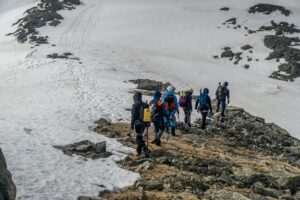
Featured photo by Marcello De Lio on Pexels.
No comments yet.