
Talkeetna Day Trip from Anchorage 2026: Denali Views, Frontier Town & What to Know
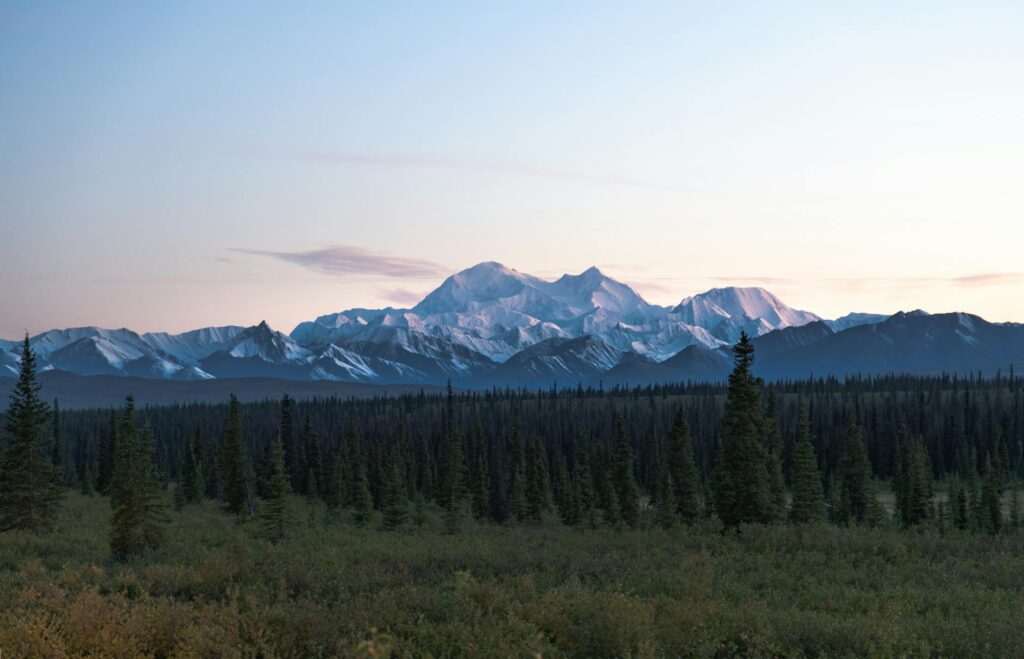
Talkeetna is about as Alaskan as a town gets. The downtown is a single road with fewer than a thousand permanent residents, most of whom seem to be either climbers preparing for Denali, bush pilots, or people who moved to Talkeetna because it was the place on the Alaska map that looked most like the Alaska they were looking for. On a clear day — and the clearest days come in late April, May, and early June — the Alaska Range fills the horizon with a wall of ice and rock that includes Denali, the highest peak in North America, visible from the town’s riverside bluffs in a way that no other road-accessible Alaska location matches. The town is 115 miles north of Anchorage via the George Parks Highway, about two and a half hours each way. It is well worth the drive.
Getting to Talkeetna from Anchorage
The most common approach is the drive: take the Glenn Highway north from Anchorage to the junction with the George Parks Highway at Wasilla, then north on the Parks Highway to the Talkeetna Spur Road (Mile 98.7), and 14 miles down the spur into town. The drive is straightforward and the highway is in good condition year-round, though winter travel requires appropriate tires and weather awareness. Budget two and a half hours each way under normal conditions.
For visitors who prefer not to drive, the Alaska Railroad operates a Talkeetna service on its Denali Star route, running north from Anchorage with a stop in Talkeetna. The train schedule constrains your day significantly — the timing determines when you arrive and when you must return — but the rail route through the Matanuska-Susitna Valley is scenic in its own right, and arriving in a frontier town by train is a better introduction to the place than a parking lot. Check the current Alaska Railroad summer schedule before planning a rail-based day trip.
Talkeetna’s Historic Downtown
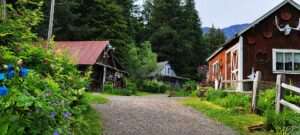
Talkeetna’s downtown consists of a few blocks of wooden buildings that look exactly as they should in a bush Alaska town, and the main street has the density of interesting establishments that makes it feel like more than its actual size. The Fairview Inn, one of the oldest continuously operating taverns in Alaska, has been the social center of Talkeetna since the 1920s. It has photographs of climbers, pilots, and locals from across a century of Talkeetna life, and the bar has the character that only comes from genuine history rather than deliberate theming.
Nagley’s General Store, essentially across the street, is the kind of all-purpose store that makes sense in a remote Alaska town — provisions, gear, and the general goods that people actually need in a place where driving to Anchorage for supplies is a significant undertaking. It’s also the location that served as the basis for the fictional Cicely, Alaska store in the television series Northern Exposure, which was filmed partly in Talkeetna. The West Rib Pub and Grill is the most recent addition to the main street’s institutions and serves as the place where climbers, pilots, and visitors reliably converge for a meal and a drink.
The Talkeetna Historical Society Museum sits a block off the main road and covers the town’s history as a trading post, railroad construction camp, and mountaineering base with a collection that includes photographs, equipment, and documents from the early Denali expeditions. The scale model of the Alaska Range in the museum gives a useful orientation to the topography that makes Talkeetna’s position as a mountaineering base logical — you can see exactly why expedition teams stage through this particular town rather than anywhere else.
Flightseeing: Denali from the Air
The single best thing you can do in Talkeetna on a clear day, beyond simply standing at the river bluff with a coffee, is go flightseeing over Denali and the Alaska Range. Talkeetna is the primary departure point for small-plane glacier landings and flightseeing tours around Denali because its position at the edge of the flatlands puts it within practical flight range of the mountain while remaining road-accessible from Anchorage. The tours range from 30-minute overflights of the range to 90-minute routes with a glacier landing on the upper Kahiltna, where expedition teams establish base camp.
Rust’s Flying Service is one of the established operators running flightseeing tours in the region. Talkeetna also has local air services based in town — K2 Aviation and Talkeetna Air Taxi both operate out of the Talkeetna State Airport and specialize specifically in Denali flightseeing and glacier landings. Book in advance in summer; popular tour times sell out, and weather cancellations are always possible but providers typically reschedule rather than refund. The Alaska Aviation Museum in Anchorage covers the bush pilot history that underpins Talkeetna’s air services — worth a stop before or after the drive north.
River Rafting on the Susitna
The confluence of the Talkeetna, Susitna, and Chulitna rivers is directly at the edge of town, and the river system offers float trips ranging from calm family-friendly sections to more active Class III whitewater. Several Talkeetna-based outfitters run guided raft trips during summer months on both the lower Susitna and the more dramatic Chulitna canyon section. A half-day float trip is an excellent addition to a Talkeetna visit if time allows — the river perspective on the surrounding boreal forest and mountain backdrop is distinct from anything you get on foot or from a vehicle.
Viewing Denali: Where to Stand and When to Come
The Talkeetna bluff at the south end of town where the river viewing platform overlooks the three-river confluence is the classic Denali viewing spot. On a clear day, Denali and its neighbors in the Alaska Range appear above the boreal forest horizon — a scale that consistently surprises even people who have seen photographs. The peak rises to 20,310 feet and is typically visible from roughly 50 miles away at this vantage; on exceptional days, the clarity approaches the surreal.
The critical qualification is “on a clear day.” Denali generates its own weather and is obscured by cloud cover a significant portion of the time. The most reliably clear window for Denali visibility from Talkeetna is late April through late May, when spring atmospheric conditions and lower humidity produce more frequent clear days than the summer peak season. In June, July, and August, the mountain is often visible but cloud cover increases. Planning a late April or May visit specifically to maximize mountain visibility is not overselling the reward — the views in that window can be genuinely extraordinary.
Talkeetna Roadhouse: The Cinnamon Roll Stop
The Talkeetna Roadhouse has been feeding climbers, bush workers, and day-trippers since 1917, and the morning baking operation — specifically, the oversized sourdough cinnamon rolls and the cast-iron sourdough pancakes — has taken on a reputation that extends well beyond Talkeetna. The rolls are substantial, the coffee is bottomless, and the dining room has the log-cabin interior and mix of locals and visitors that makes the Roadhouse feel like an essential piece of the Talkeetna experience rather than a tourist amenity. Arrive early; the baked goods sell out by mid-morning on busy summer days.
Best Time to Visit and What to Bring
The two distinct reasons to visit Talkeetna have different optimal windows. For Denali views: late April through late May. For river activities, longer days, and the full summer character of the town: June through August. May combines both — there’s still a good chance of mountain views, the days are long, and the river is running. Most visitors come in summer, which is perfectly valid, but the spring shoulder season is worth knowing about if clear mountain views are the primary goal.
What to bring: layers are non-negotiable. Talkeetna is colder than Anchorage at altitude and the river wind adds a chill even on warm summer days. If you’re considering a flightseeing tour, temperatures in the plane above the Alaska Range are significantly colder — tour operators will advise on what to wear. Mosquitoes are present from late June onward; bring repellent if you’re spending time outdoors on calm days. Fuel up the car in Wasilla or at the Parks Highway junction — Talkeetna has one gas station and it operates Alaska small-town hours.
Allow a full day: two and a half hours driving each way plus the time needed to actually experience the town, have breakfast at the Roadhouse, walk the riverfront, and do a flight tour leaves no spare time in a half-day format. Talkeetna rewards unhurried visitors.
Featured photo by John De Leon on Pexels.

No comments yet.