
Weekend in Anchorage 2026: The Complete Short-Trip Guide
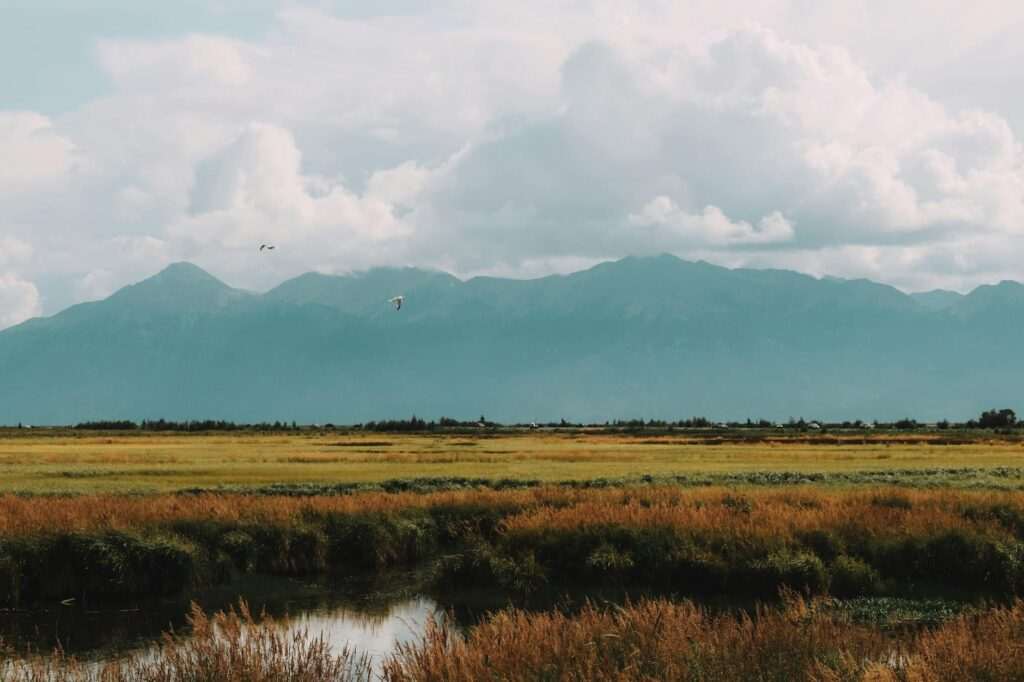
A weekend in Anchorage delivers more than most visitors expect. The city sits at the edge of one of the largest urban wilderness areas in North America, with Chugach State Park’s half-million acres beginning where the neighborhoods end. Within 30 minutes of landing, you can be on a coastal trail overlooking Cook Inlet, watching bald eagles work the shoreline. This guide covers everything you need to make the most of 48 to 72 hours — what to do, where to eat, how to get around, and where to stay.
Why Anchorage Works as a Weekend Destination
Most Alaska trips require a week or two to fully absorb — the distances are vast and the logistics complex. Anchorage is the exception. The city has immediate access to genuine wilderness, a compact downtown that’s walkable in an afternoon, and enough varied activities to fill three days without rushing. It’s also the state’s major air hub, with direct flights from Seattle, Portland, San Francisco, Los Angeles, Denver, Minneapolis, and Chicago. A Friday evening flight in and a Sunday afternoon flight out is a workable weekend trip from most of the western US.
Day 1 — Arrive, Explore, and Get Your Bearings
If you’re arriving Friday evening, keep day one light. The Tony Knowles Coastal Trail is the best possible introduction to Anchorage on foot — an 11-mile paved path running along the western edge of the city above Cook Inlet’s tidal flats. You don’t need to walk all of it: the 4-mile stretch from the western end of 2nd Avenue to Westchester Lagoon and back takes about 90 minutes at a casual pace and puts the scale of the surrounding mountains and water immediately into context. Bald eagles are essentially certain; beluga whales appear in summer; the Chugach rises to the east.
After the trail, head downtown for dinner. The Glacier Brewhouse on 5th Avenue is a reliable full-service option with house-brewed beers on tap and a menu that covers halibut, reindeer, salmon chowder, and wood-roasted meats — exactly the kind of meal that settles you into Alaska on arrival evening. It’s large enough to accommodate walk-ins even in peak season.
If Saturday is your first full day instead, swap the order and fit in the Anchorage Museum before dinner. The museum’s permanent collection covers Alaska’s Indigenous cultures, the Gold Rush era, and the state’s modern history through high-quality exhibits and first-rate art — two hours here gives the city’s landscape and people the context that makes everything else land differently. The museum sits on 7th Avenue, walkable from downtown hotels.
Day 2 — Get Outside
Saturday is for the outdoors. Anchorage’s geography makes this unusually easy — serious trails begin within city limits, no long drive required.
Start with Flattop Mountain, Anchorage’s signature hike. The Glen Alps Trailhead is a 12-mile drive from downtown; from there, a 1.5-mile trail climbs to a 3,510-foot summit with a 360-degree view: Cook Inlet to the west, Denali 130 miles north on clear days, the Kenai Mountains south, and the city spread across the coastal plain below. Allow 2.5 hours round trip. The summit is cooler and windier than the city; bring a shell regardless of how warm it feels at the trailhead.
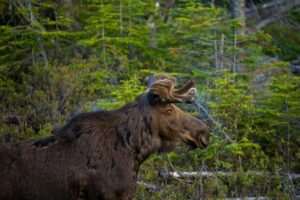
Spend the afternoon at Kincaid Park, Anchorage’s largest park on the southwest edge of the city. The park’s 3,500 acres include forested trails, coastal bluff views over Cook Inlet, and extensive mountain bike terrain. A 2-hour walk through the coastal trail sections covers easy ground while delivering the kind of quiet boreal forest scenery that’s hard to find this close to a city anywhere in the world. The park also produces some of the best moose sightings in the city — particularly in early morning and late afternoon.
End the afternoon at Earthquake Park, a small park on the north side of the coastal trail that marks the site of the 1964 Great Alaska Earthquake — the second-largest earthquake ever recorded. The park’s trail follows terrain still visibly distorted from the quake, with interpretive signage and sweeping views of Cook Inlet and the Chugach. It’s a 20-minute stop with an outsized payoff in context and scenery.
Saturday dinner: Moose’s Tooth Pub & Pizzeria on Old Seward Highway is the locally beloved option — a large, loud, wood-fired pizza restaurant with house brews and a menu that regularly earns “best pizza in Alaska” recognition. Expect a wait on Saturday evenings; it’s worth it, and the wait gives you time at the bar.
Day 3 — Bonus Day: Choose Your Day Trip
If you have a Sunday before a late-afternoon flight, pick one day trip. Three options, roughly in order of effort:
Portage Glacier (easiest): 50 miles south on the Seward Highway, Portage Glacier boat tours run through the summer from Portage Lake — 60-minute cruises to the calving face of an active glacier, through a valley ringed by snow-covered peaks. The drive down Turnagain Arm is itself worth the trip: the highway traces the water’s edge for 40 miles with Dall sheep visible on the cliffs above and beluga whale sightings possible at Beluga Point. Allow 4 to 5 hours round trip including stops.
Girdwood and Alyeska (moderate): The resort village of Girdwood sits 40 miles south off the Seward Highway in a steep valley below Alyeska, Alaska’s largest ski resort. In summer, the Alyeska Aerial Tram runs to the summit (2,300 feet) for views across Turnagain Arm — one of the most dramatic accessible panoramas in Southcentral Alaska. The town itself has good restaurants, a craft brewery, and a community character unlike anywhere else in the state. Allow 5 to 6 hours round trip.
Talkeetna (long): 115 miles north on the Parks Highway, the small town of Talkeetna is the base camp for Denali mountaineering expeditions and the departure point for glacier flightseeing. The drive takes about 2 hours each way. This option works only if you’re flying out Sunday evening; it’s a long day but delivers something genuinely different — a real small Alaska town with real Alaska mountain context.
Getting Around Anchorage
A rental car is strongly recommended for any itinerary that includes Flattop Mountain, Kincaid Park, Portage Glacier, or a day trip. The trailheads are not walkable from downtown and public transit doesn’t reach them. All major rental companies operate from Ted Stevens Anchorage International Airport — book in advance in summer, as vehicle availability drops quickly on peak-season weekends.
Within downtown, rideshare and walking cover everything. The downtown core is compact enough to walk across in 20 minutes. Taxis are available but not the dominant mode; Lyft and Uber both operate reliably in Anchorage. The People Mover bus system covers midtown and neighborhoods but runs infrequently and doesn’t reach the main outdoor destinations — useful for getting between downtown and midtown, not for trail access.
Best Neighborhoods to Stay
Downtown is the most convenient base for walkability to restaurants, the coastal trail, Ship Creek, and the museum. The Hotel Captain Cook (4th Avenue) is the city’s landmark full-service property. Several national chain hotels and independent boutique options cluster in the same blocks. Midtown — roughly Northern Lights Boulevard between Minnesota and C Street — offers slightly cheaper rates and easy access to the Parks Highway corridor north. For budget travelers, the Spenard neighborhood west of midtown has several well-reviewed independent hotels within rideshare distance of downtown and closer to Kincaid Park.
What to Pack
Alaska summer weather is genuinely variable — 65°F and sunny one afternoon, 48°F and rainy the next morning. The essentials: a lightweight waterproof shell (not optional, even in July), a warm mid-layer for summit and coastal conditions, and comfortable walking shoes that can handle a trail. Bring sunscreen regardless of the forecast — Alaska’s UV is significant and the long days extend outdoor exposure time. Binoculars improve the coastal trail, Kincaid Park, and Turnagain Arm significantly; an 8×42 pair fits in any daypack. If wildlife viewing is a priority, bring them.
Featured photo by John De Leon on Pexels.
No comments yet.