
Talkeetna, Alaska 2026 — Denali Gateway Town Guide
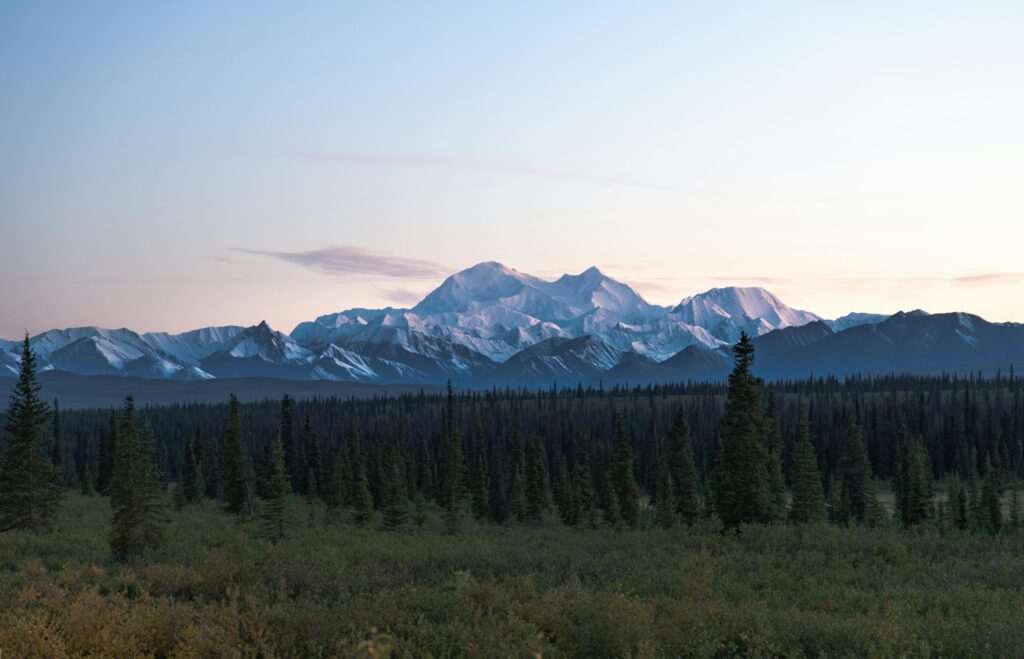
Two hours north of Anchorage on the Parks Highway, a gravel road peels off toward the Alaska Range and ends at one of the most distinctive small towns in the state. Talkeetna sits at the confluence of three rivers — the Talkeetna, Susitna, and Chulitna — and has spent decades cultivating a reputation as both the jumping-off point for Denali expeditions and the kind of unhurried, slightly eccentric Alaska community that visitors remember long after the scenery has blurred together. For travelers based in Anchorage, Talkeetna is the best day trip in the region: close enough to do easily, far enough to feel like a genuine journey, and different enough from Anchorage that the drive delivers real contrast.
Denali Basecamp Town
Approximately 1,300 mountaineers attempt to summit Denali — the highest peak in North America at 20,310 feet — every year. Most of them fly from Talkeetna. The small aviation operators here have been ferrying climbers to the glaciers of the Alaska Range for decades, and the town’s identity has been shaped by that traffic: a mix of serious mountaineers, support crews, guides, and the visitors who come to watch the expedition culture from a safe distance.
The flightseeing operations that support the climbing industry — including operators like Trail Ridge Air for scenic overflights — also serve a much larger number of recreational visitors who want aerial views of the Alaska Range without the commitment of a Denali attempt. Talkeetna Air Taxi and K2 Aviation are the two primary operators, both offering glacier landings and overflights of Denali and the surrounding peaks. A flightseeing trip from Talkeetna runs approximately $250–$350 per person for a standard overflight; glacier landing tours are higher. The flights are weather-dependent and often sold out in summer — booking in advance is essential. On a clear day, circling a mountain that rises more than three vertical miles from its base, with glaciers stretching in every direction, is one of the most remarkable experiences available in Alaska.
The Historic Downtown
Talkeetna’s downtown is a single main street of historic wooden buildings that has been remarkably well-preserved, partly because the town is on the National Register of Historic Places and partly because its geographic isolation has protected it from the sprawl that has consumed other Alaska communities. The street is walkable in under ten minutes end-to-end, which gives Talkeetna its particular charm: everything is here, nothing is far, and the pace is entirely different from Anchorage.
Nagley’s General Store, which has operated since 1921, anchors the commercial strip. It sells the expected mix of provisions and souvenirs, but it also served as the home base for Stubbs the cat, Talkeetna’s legendary honorary mayor. Stubbs, a tailless orange cat, held the honorary mayoral position from 1997 until his death in 2017, becoming an unlikely international celebrity and a genuine symbol of the town’s character. Talkeetna has leaned into the irreverence that produced Mayor Stubbs in the first place — the town’s culture runs toward the eclectic, the self-deprecating, and the slightly absurdist, which is a refreshing contrast to more polished tourist destinations.
The Talkeetna Roadhouse, operating since 1917, is the correct choice for breakfast or lunch if you time your arrival right. The cinnamon rolls are locally famous and often sell out before noon; the daily soup and housemade bread are reliably good. Several other restaurants and brewpubs along the main strip offer lunch and dinner options in summer, with quality that punches above what you might expect from a town of roughly 900 people.
River Trips and Fishing
The three rivers meeting at Talkeetna create ideal conditions for float trips and fishing. Several local outfitters — including Adventure Life for multi-day wilderness itineraries — offer guided float trips on the Talkeetna and Susitna Rivers ranging from easy half-day scenic floats to extended expeditions. The river float from Talkeetna provides a ground-level perspective on the Alaska Range that flightseeing cannot — the willows, the gravel bars, the waterfowl, and occasional moose at the water’s edge make for a completely different experience.
The confluence rivers are productive king salmon and rainbow trout fisheries. King salmon run in June and July; rainbow trout fishing is available throughout the open-water season. Local guides can be booked through Talkeetna’s outfitter shops for half-day or full-day fishing trips. Talkeetna’s fishing complements the salmon fishing available closer to Anchorage at spots like Ship Creek — if you are visiting the region in salmon season, combining a Ship Creek visit in Anchorage with a Talkeetna float trip delivers two very different fishing experiences within easy reach of each other.
Annual Events
Talkeetna’s calendar includes two events that draw visitors from across the state. The Moose Dropping Festival, held in July, is exactly what it sounds like: a celebration organized around the dropping of lacquered moose droppings from a helicopter onto a numbered grid, with participants betting on landing positions. The festival has operated for decades and reflects Talkeetna’s approach to small-town community events — take something absurd, commit to it fully, and have a good time. The event has drawn more national media coverage than most Alaska festivals three times its size.
Talkeetna Winterfest, held in December, celebrates the solstice and the return of light with a bachelor auction, live music, and the kind of mid-winter community gathering that Alaska small towns do better than almost anywhere. Talkeetna in winter is a different experience from summer — quieter, snowier, occasionally lit by aurora — and worth considering for visitors who want an Alaska winter experience outside Anchorage.
Getting There and When to Visit
Talkeetna is approximately 115 miles north of Anchorage via the Parks Highway. Organized day tours from Anchorage — such as those offered by 907 Tours Alaska — provide a guided alternative to the two-hour self-drive on a highway that passes through the Matanuska-Susitna Valley, past the agricultural communities of Palmer and Wasilla — home to the Iditarod Trail Headquarters, and into increasingly wild country as the Alaska Range comes into view. The Denali Star train operated by the Alaska Railroad also stops in Talkeetna, offering a scenic alternative to driving that adds time but delivers a different perspective on the Susitna Valley. If you are planning a full day trip by train, check the Alaska Railroad schedule — the Denali Star runs daily in summer and the timing allows a comfortable afternoon in Talkeetna before the return trip.
The peak visitor season is May through September, when all flightseeing operations, river trips, and restaurants are fully operating. June and July offer the best combination of long daylight, mild temperatures, and active expeditions cycling through the climbing season. September is quieter but often has the clearest weather for Denali views, as summer haze has dissipated. Winter visits from November through March appeal to visitors seeking aurora viewing and a quiet, locals-only Talkeetna experience.
Talkeetna is the Alaska that travelers are looking for when they imagine a genuine Alaska small town — not polished for tourism, not scaled for crowds, and situated at the foot of a mountain so large it creates its own weather. The two-hour drive from Anchorage is among the most rewarding day trips in the state.


No comments yet.