
Scuba Diving & Snorkeling Near Anchorage, Alaska 2026
Why Alaska Diving Is in a Class of Its Own
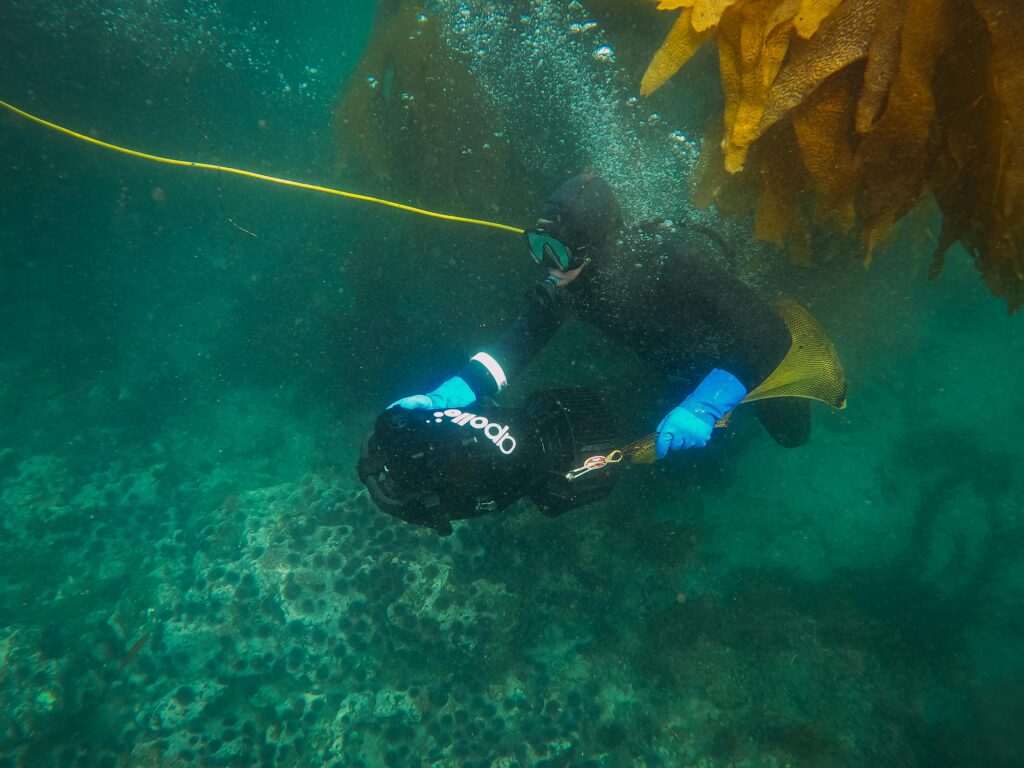
Scuba diving in Alaska isn’t for the faint-hearted, but for certified divers willing to suit up in a drysuit and descend into 38-degree water, the reward is an underwater wilderness that few divers ever experience. Alaska’s cold, nutrient-rich waters support extraordinary marine biodiversity: rockfish in vivid oranges and blacks, lingcod patrolling rocky ledges, enormous Tanner crabs, sea anemones the size of dinner plates, wolf eels retreating into crevices, and kelp forests stretching from the seafloor to the surface in cathedral columns of light. The cold also delivers visibility that tropical dives rarely match — late-summer and winter dives frequently reach 80 to 100 feet of horizontal visibility, transforming rocky underwater landscapes into something otherworldly.
From Anchorage, three primary areas provide access to Alaska’s best coastal diving: Resurrection Bay near Seward, Prince William Sound accessible from Whittier, and Kachemak Bay out of Homer. Each offers different drive times, dive profiles, and marine life concentrations. Here’s how to plan your Alaska diving trip from Anchorage in 2026.
Resurrection Bay, Seward: The Closest Premium Dive Site
The drive from Anchorage to Seward takes about 2.5 hours along the Seward Highway — one of the most scenic roads in North America, hugging the shore of Turnagain Arm before climbing into the Kenai Mountains. Seward’s Resurrection Bay offers the most accessible and consistently excellent diving accessible from Anchorage, with multiple shore dive sites and charter boat access to offshore pinnacles and drop-offs.
The most popular Seward sites include Caines Head (accessible by boat or water taxi), where massive kelp beds shelter Pacific cod, kelp greenling, and the occasional harbor seal that will swim up and stare at you from three feet away. Lowell Point at the edge of the bay offers a productive shore dive with reasonable entry. Depths run 30 to 80 feet on most sites; deeper walls along the outer bay drop well past recreational limits.
Liquid Adventures in Seward operates water and ocean-based activities in Resurrection Bay and can help with transport to dive sites and local conditions information. For gear, dive charters, and air fills, Seward has limited local resources — bring your own equipment from Anchorage or arrange through a major outdoor outfitter. Alaska Outdoor Gear Rental in Anchorage carries dive-adjacent cold-water equipment and can advise on what you’ll need for Alaska conditions.
Prince William Sound: Glacier-Backed Walls and Wildlife
Prince William Sound, accessed via the Anton Anderson Tunnel to Whittier (about 60 miles from Anchorage), adds glacier scenery to the diving equation. Underwater visibility here is exceptional in late summer and fall, when summer plankton blooms subside and the water clears dramatically. Rocky walls, submerged boulders, and eelgrass beds host rockfish, flounders, and the occasional octopus tucked into a crevice.
Boat access is essential for most PWS dive sites. Prince William Sound Kayak Center operates out of Whittier and can provide transport to coastal sites throughout the western Sound. The dramatic scenery above water — tidewater glaciers, forested island shores, mountains rising from salt water — makes the commute to the dive site as memorable as the dive itself.
Surface conditions in PWS can be unpredictable; always check weather forecasts before the day of your dive and have a contingency plan. The Whittier harbor area has modest shore dive potential in protected conditions, though current and boat traffic require caution.
Kachemak Bay, Homer: Sea Otters and Deep Walls
Homer sits 4.5 hours south of Anchorage on the Kenai Peninsula, but for serious Alaska divers, the drive is worth it. Kachemak Bay State Park — a protected wilderness accessible only by boat — has dive sites that rank among the finest in the Gulf of Alaska. Sea otter density here is high enough that otters will regularly surface-swim alongside divers. The underwater landscape features towering kelp forests, nudibranchs in extraordinary variety, and massive soft corals on deeper walls.
Alan’s Water Taxi & Kachemak Bay Adventures provides water taxi service across Kachemak Bay and can get you to dive sites within the state park. On a multi-day Homer trip, combining diving with sea kayaking and wildlife watching on the bay adds up to one of the most complete coastal Alaska experiences possible.
Snorkeling Options for Non-Certified Visitors
Full scuba certification is strongly recommended for Alaska diving — cold water, strong currents, and limited surface support make it a poor venue for casual open-water attempts. That said, guided snorkel tours in protected coves do exist in Seward and Homer during summer months. Water temperature in a 7mm wetsuit is manageable for short periods in July and August; a drysuit is comfortable for any duration at any time of year.
The snorkeling alternative that works best in Alaska: tidal pool exploration. Resurrection Bay and Kachemak Bay have among the richest intertidal zones in North America, and a low-tide walk with basic snorkel gear in a calm cove delivers impressive encounters with sea anemones, sculpin, hermit crabs, and sea stars without full immersion.
Certification Courses and Local Dive Infrastructure
PADI and NAUI open-water certification courses are available through several Anchorage dive and outdoor recreation facilities. Pool training typically takes place at municipal aquatic centers, with open-water checkout dives conducted in Resurrection Bay or Portage Lake. Portage Lake, in the Chugach Mountains 60 miles from Anchorage, offers cold, clear freshwater certification dive conditions.
For multi-day Southcentral Alaska dive expeditions combining multiple sites, Chugach Adventures arranges guided Alaska coastal itineraries. Their guides have deep knowledge of tidewater conditions, marine life behavior, and the logistics of getting divers to remote sites safely.
Gear Requirements: Drysuit Is Not Optional
Alaska water temperatures range from 38°F in winter to 52°F in August — the warmest month. A drysuit with appropriate undergarment is essential for dives longer than 20 minutes at any time of year. A 7mm wetsuit provides minimal protection and significantly limits dive time. If you don’t own a drysuit, factor rental costs into your trip budget. Buoyancy control with drysuit inflation differs significantly from wetsuit diving — practice in a pool before your first ocean dive if you’re new to drysuits.
Additional essentials for Alaska diving: compass (for navigation in kelp forests and current), surface marker buoy, dive knife (for kelp entanglement), underwater torch (for crevice exploration at any depth), and a dive flag for boat-traffic areas.
Best Time to Dive Near Anchorage
Counterintuitively, the best visibility season for Alaska diving runs late August through spring. Summer phytoplankton blooms reduce visibility significantly in June and July. By late August, blooms subside and visibility recovers. Winter diving offers the clearest water of the year — 80 to 100+ feet horizontal in many sites — though surface temperatures and short daylight hours require more planning. Marine life, including lingcod spawning activity, peaks in winter and early spring. Summer diving (June–July) trades visibility for the most temperate conditions and longest daylight hours. For first-time Alaska divers, late August or September balances improving visibility, reasonable weather, and active marine life.


No comments yet.