
Paragliding & Aerial Adventure Near Anchorage, Alaska: 2026 Guide
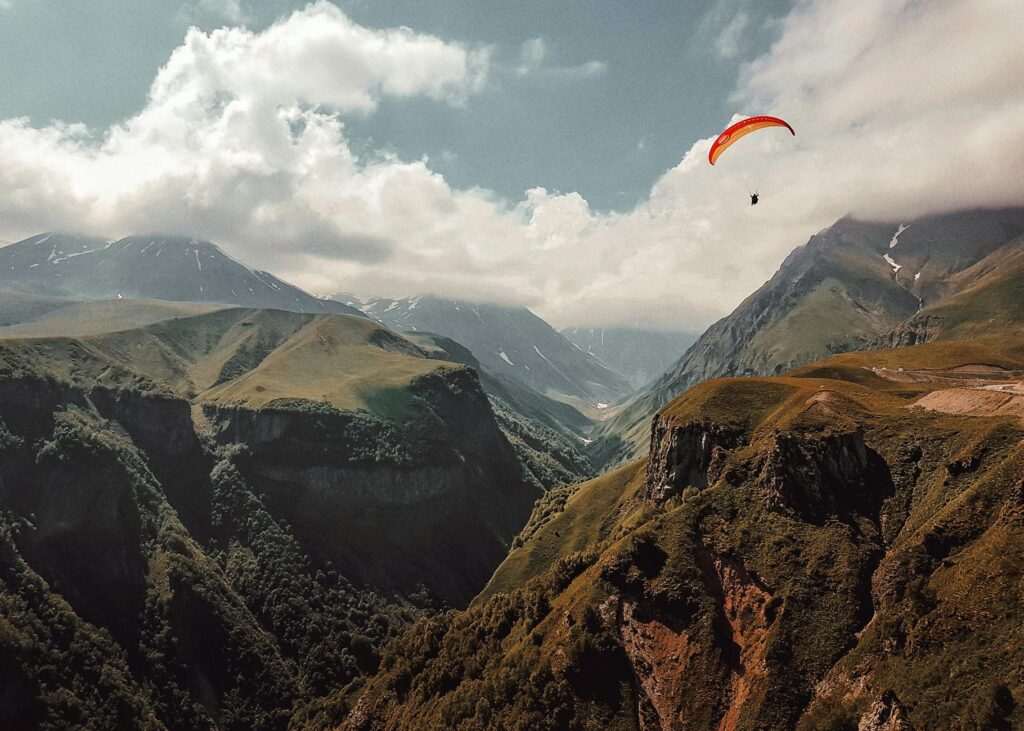
Alaska’s scale has a way of making even dramatic experiences feel earned — and paragliding near Anchorage is one of the most dramatic experiences the region offers. Launching from a mountain ridge with the Chugach Range in every direction and Cook Inlet glinting to the west, a summer flight above Southcentral Alaska is unlike anything most people ever get to see. Whether you’re a complete beginner eyeing your first tandem experience or an experienced pilot looking to fly new terrain, here’s what you need to know about paragliding and aerial adventure near Anchorage in 2026.
Where to Paraglide Near Anchorage
Hatcher Pass — The Premier Paragliding Destination
The best-known paragliding and hang gliding area accessible from Anchorage is Hatcher Pass, located in the Talkeetna Mountains about 75 miles north of the city via the Glenn and Parks highways. The area sits above treeline, with wide open ridgelines and reliable summer thermal and ridge lift conditions. Flights from Hatcher Pass offer sweeping views of the Matanuska-Susitna Valley below and the Alaska Range on the horizon on clear days. The pass is popular with the local paragliding community throughout summer, and the Independence Mine area provides natural launch options at altitude.
The drive from Anchorage takes roughly 90 minutes to two hours, making Hatcher Pass a full-day destination. Most pilots combine the flight with a hike or exploration of the historic gold mine site. Conditions are best in June through August, when long daylight hours allow afternoon thermal development and stable southerly flow.
Pioneer Peak — Palmer Area Launches
Pioneer Peak, rising above the town of Palmer in the Matanuska Valley, is another site used by local pilots. At over 6,000 feet, it offers significant altitude gain and views across the valley to Knik Glacier and beyond. This is more technical terrain suited to experienced pilots comfortable with mountain flying conditions. The Palmer area generally has more consistent thermal activity than sites closer to the coast due to its inland position away from Cook Inlet sea-breeze effects.
Tandem Paragliding: Your First Flight
If you’ve never been in the air under a wing, a tandem paragliding flight is the easiest entry point. In a tandem flight, a certified instructor pilot handles all the controls while you sit in a harness directly in front of them — your only job is to enjoy the view. Tandem flights from sites like Hatcher Pass typically last 15 to 40 minutes depending on conditions, covering a few miles of gliding before landing in the valley below.
What you’ll experience: the launch is surprisingly gentle, often just a short walk into the wind before the wing fills and lifts you off the ridge. The flight itself is quiet — far quieter than any powered aircraft — and the sensation of soaring above the tundra and glacier-cut valleys is difficult to describe to anyone who hasn’t done it. Most first-time tandem passengers describe it as closer to floating than falling.
Book tandem flights directly with licensed operators working out of the Hatcher Pass and Matanuska Valley area. Always confirm your pilot holds a current P4 or tandem rating from USHPA (US Hang Gliding and Paragliding Association). For a different kind of aerial experience while you research flight options, Rust’s Flying Service offers floatplane flightseeing from Lake Hood that covers similar territory from a powered aircraft.
What You See From the Air
Depending on your launch site and conditions, a paragliding flight near Anchorage might give you views of:
- Knik Glacier — a massive tidewater glacier visible from Pioneer Peak and much of the upper Matanuska Valley
- Matanuska-Susitna Valley — the wide agricultural valley spreading out below Hatcher Pass and Palmer, with the Alaska Range visible on clear days
- Chugach State Park — from coastal sites closer to Anchorage, the Chugach State Park ridgelines and Eagle River drainage are visible to the east
- Cook Inlet — on flights from higher terrain, the inlet’s tidal flats and the mountains of the Kenai Peninsula are visible to the south and west
Flying Conditions: Alaska Weather and Timing
Paragliding season near Anchorage runs from approximately May through September, with the peak window from late June through August. Early summer brings the midnight sun, which extends the usable flying window well into the evening. Thermal activity develops on warm afternoons when the sun has had time to heat the valley floors, typically between noon and 6 PM.
Alaska mountain weather changes rapidly. A flyable morning can become an unlandable afternoon as fronts move through off the Gulf of Alaska or the Alaska Range. Local pilots watch NOAA forecasts closely and routinely scrub flights on days with forecast wind speeds above 15-20 mph at altitude. If you’re booking a tandem flight, expect that operators may reschedule for weather — this is normal practice and a sign of a safety-conscious outfit, not a problem.
Dress for conditions colder than the ground temperature suggests. At launch altitude in Hatcher Pass, temperatures can be 20-30°F cooler than in Anchorage, even on warm summer days. Bring a windproof layer even if the valley looks warm.
Learning to Paraglide: Courses and Progression
If a single tandem flight hooks you and you want to learn to fly independently, the path starts with a P1 or P2 ground school and practical course from a certified instructor. Alaska’s terrain rewards pilots who are comfortable with mountain flying from the beginning, so most instructors in the region emphasize solid fundamentals before progressing to ridge and thermal soaring. A basic course typically runs three to five days and includes ground handling, tandem flights, and supervised solo flights on gentle slopes.
The Alaska Hang Gliding and Paragliding Association (AHGPA) is the regional umbrella organization and maintains contact information for local clubs and instructors. Reaching out through AHGPA is the best way to find active pilots and courses in the 2026 season.
Related Aerial Adventures Near Anchorage
If wind conditions ground paragliding operations on your visit day, or if you want to combine multiple aerial experiences, Anchorage has strong options in powered flight:
- Alaska Helicopter Tours — glacier landings and aerial sightseeing from Anchorage, including Knik Glacier and Chugach overflights
- Trail Ridge Air — small-plane air tours covering remote terrain accessible only from the air
- Rust’s Flying Service — floatplane flightseeing from Lake Hood with multiple routes including the Chugach Mountains and Knik Arm
Is there paragliding near Anchorage, Alaska?
Yes. The most accessible paragliding area from Anchorage is Hatcher Pass, about 75 miles north via the Glenn and Parks highways. Pioneer Peak near Palmer is another site popular with local pilots. Both offer summer flying conditions from June through August, with tandem flights available for beginners through licensed operators in the Matanuska-Susitna Valley.
When is the best time to paraglide near Anchorage?
The best paragliding window near Anchorage is late June through August, when thermal activity is strongest and daylight extends well into the evening. May and September are possible on good weather days but less reliable. Flights are weather-dependent — operators routinely reschedule for wind or visibility conditions.
Do I need experience to try paragliding near Anchorage?
No experience is needed for a tandem flight. A certified pilot does all the flying while you ride along and enjoy the views. For solo flying, a P1/P2 course of three to five days is the standard starting point. Always verify that your tandem pilot holds a current USHPA rating before booking.
Alaska’s aerial landscape is one of its defining features — the combination of glaciers, mountains, and open valley airspace makes it genuinely world-class paragliding terrain. Whether you float above Hatcher Pass on a tandem flight or book a flightseeing tour to scout the terrain before your first lesson, getting off the ground near Anchorage is an experience worth planning for. The 2026 summer season runs from late May through September — start watching conditions and booking early.
Featured photo by Gantas Vaičiulėnas on Pexels.



No comments yet.