
Seward Alaska 2026: Day Trip Guide from Anchorage
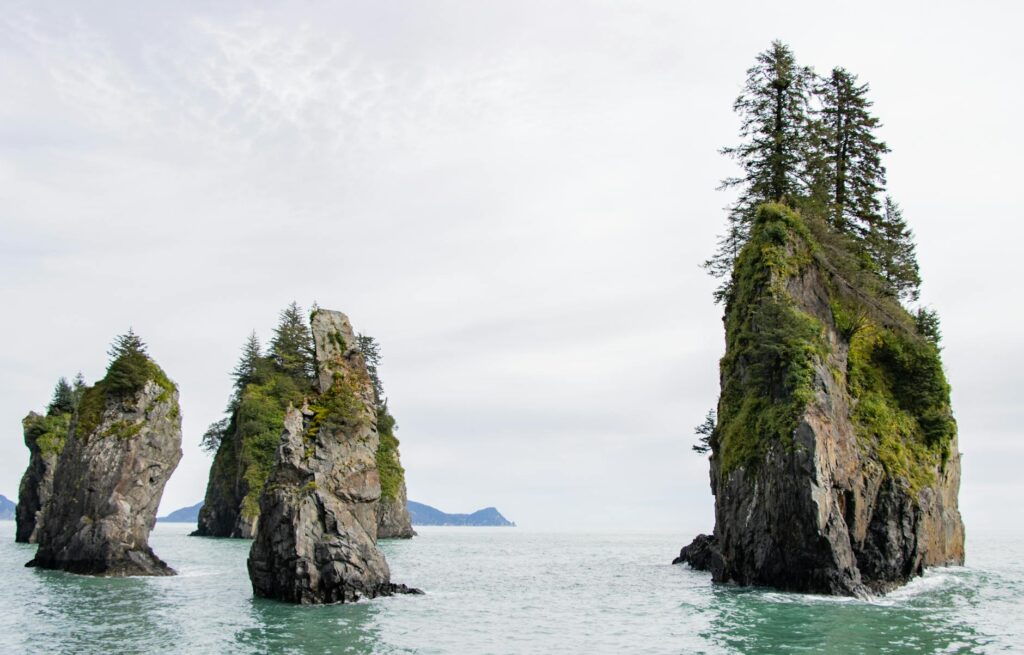
Seward sits 127 miles south of Anchorage at the head of Resurrection Bay, surrounded by the Kenai Mountains and the glaciated terrain of Kenai Fjords National Park. The drive down is as good as the destination — the Seward Highway threads along Turnagain Arm through one of the most scenic road corridors in Alaska before crossing the Kenai Mountains and dropping into the coastal valley where Seward’s small harbor town waits. A well-organized day trip covers the drive, Exit Glacier, a fjord boat tour, the SeaLife Center, and dinner before the return to Anchorage. Here’s how to make it work.
The Drive Down: Seward Highway Highlights
The Seward Highway from Anchorage to Seward is one of two All-American Roads in Alaska and among the most photographed drives in the state. Leave Anchorage by 7 a.m. to give yourself maximum flexibility in Seward.
First stop worth making: the Turnagain Arm beluga whale viewing pullouts between miles 97 and 107. From late July through September, pods of Cook Inlet belugas follow salmon upstream on incoming tides and are visible from the road as distinctive white shapes in the gray-green water. Check tide charts before you leave Anchorage — viewing around high tide (90 minutes before and after) produces the best sightings.
The Alaska Wildlife Conservation Center at mile 79 near Portage is a 20-minute stop that earns its place on any Seward day trip. Open-habitat enclosures hold brown bears, black bears, moose, bison, musk ox, and wolves visible from your vehicle along a drive-through road. Worth the $20 admission for the guaranteed wildlife encounters even if you’re planning wild viewing later in the day.
The Portage Glacier turnoff at mile 78.9 leads to a visitor center and a cruise option on the lake if schedule allows, though this extends the stop significantly. On a tight day-trip schedule, skip the full cruise and continue to Seward; the Portage area is better suited to a dedicated half-day rather than a rushed stop en route.
Exit Glacier: Walk to the Ice
Exit Glacier in Kenai Fjords National Park sits 3.5 miles from Seward on Exit Glacier Road. The paved 0.8-mile trail from the visitor center leads directly to the glacier’s toe, where interpretive markers chart the ice’s retreat by decade — a visual record of glacial change that no exhibit can replicate. Free, no reservation required, and takes about 45 minutes at a relaxed pace. The Harding Icefield Trail from the same trailhead climbs 3,000 feet over 4.1 miles to views across one of the largest icefields in the United States — a serious commitment for a day trip (5–7 hours round trip) but one of the great hikes in southcentral Alaska if you’re willing to skip the boat tour.
For most day-trippers, the glacier face trail is the right call: quick, free, dramatic, and compatible with everything else on the list.
Fjord Boat Tours: The Centerpiece of the Day
Major Marine Tours is the largest and most established operator from Seward’s Small Boat Harbor. Their six-hour Northwestern Fjords cruise covers Holgate Glacier, Harris Bay, and the park’s primary wildlife corridors for around $175 per adult, with a hot buffet served aboard. The eight-and-a-half-hour full-day version extends deeper into the park for around $219. On a day trip from Anchorage, the six-hour cruise is the more practical choice — it gets you back to Seward by late afternoon with time for dinner before the return drive.
Seward Ocean Excursions offers smaller-vessel tours with more intimate wildlife encounters — smaller boats access narrower channels and position closer to sea otters, puffins, and sea lions than a larger tour vessel can manage. If you’ve done a big-boat fjord tour before, the premium for a smaller operator is well spent.
Book four to eight weeks ahead for July and August departures. Weekend and holiday sailing times sell out. Both operators offer weather cancellation policies — keep this in mind when building your schedule.
What you’ll see from the water: tufted and horned puffins diving from the surface, Steller sea lions hauling out on rocky outcroppings, harbor seals resting on ice floes near Holgate Glacier’s face, sea otters floating in the coves, and the glacier itself calving directly into the sea. From July through September, orca pods work the outer fjords and humpback whales surface along the open coast on the full-day route.
Alaska SeaLife Center
The Alaska SeaLife Center in downtown Seward is the state’s only public aquarium and ocean wildlife research facility — a working institution, not just an attraction. Steller sea lions, harbor seals, and puffins are the headline exhibits, with behind-the-scenes programs that let visitors interact with the animals at close range. Admission runs around $30 for adults. Plan 90 minutes to two hours. This pairs naturally with a pre-tour morning or a post-tour late afternoon, positioning it around the boat schedule rather than competing with it.
The Harbor and Downtown Seward
Seward’s Small Boat Harbor is the activity hub — charter fishing boats, tour vessels, and commercial fishing operations share the docks in a working harbor with genuine character. The harbor walk covers the waterfront, the fishing action, and the views across Resurrection Bay to the surrounding mountains in under 30 minutes. Downtown Seward has a compressed but genuine restaurant and bar scene for a town of 3,000. The Seward Brewing Company is the standard post-tour stop for a pint and food; Railway Cantina at the harbor does solid tacos and has outdoor seating with harbor views. Both work well for dinner before the return drive.
The Alaska Railroad Coastal Classic service is an alternative to driving — departing the Alaska Railroad Depot in Anchorage at 6:45 a.m. and arriving in Seward at 11:25 a.m., with a return departure in the evening. The dome observation cars make the scenery through the Kenai Mountains more accessible than the drive, and arriving carless simplifies the day. One-way tickets start at $129.
Timing and Best Season
Allow a full day — 12 hours minimum from Anchorage if combining the drive highlights, Exit Glacier, a six-hour boat tour, and the SeaLife Center. Attempting to compress this into a half-day produces a rushed, unsatisfying experience. Leave Anchorage by 7 a.m. and plan to return by 9–10 p.m.
Best season is June through September. July and August offer peak wildlife activity on the water, the best weather odds, and the most tour options — but also the highest competition for bookings and harbor parking. June is excellent and less crowded. September delivers spectacular fall conditions, the coho salmon run, and a second peak of bear activity at Brooks Falls if extending the trip — with noticeably fewer visitors than peak summer.
Featured photo by Fabienne Dorman on Pexels.

No comments yet.