
Alaska Brown Bear Viewing 2026 — Best Tours & Spots Near Anchorage
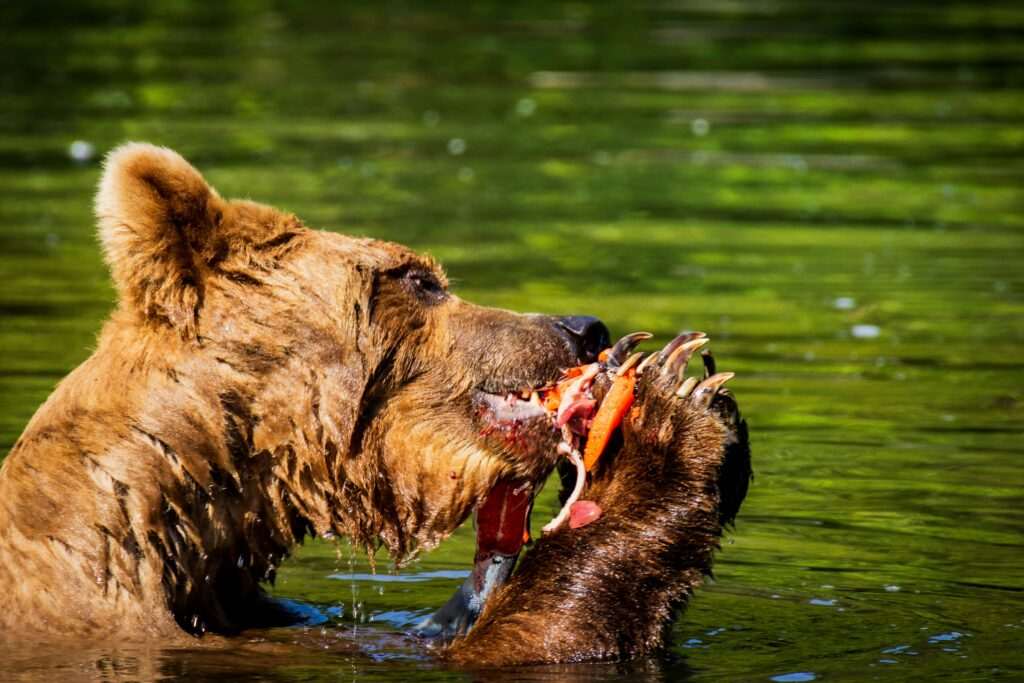
A brown bear standing chest-deep in a waterfall, watching for salmon with total focus, then exploding into the current with jaws open — this is the image Alaska is built around, and it’s real. Brown bears in Alaska can reach 1,000 pounds and concentrate at salmon streams in numbers that nowhere else on earth can match. Anchorage puts visitors within striking distance of several world-class bear viewing locations, ranging from a short trail accessible the same afternoon to a fly-in to Katmai National Park that most visitors consider the single best wildlife experience of their lives. Here’s how to find bears from Anchorage in 2026.
Brooks Falls, Katmai National Park — The Benchmark
Brooks Falls Bear Viewing at Katmai National Park is the standard against which all other bear viewing is measured. Each July, sockeye salmon run up the Brooks River and pile up at the falls, unable to ascend. Brown bears line every inch of the falls — standing on the lip, in the plunge pool below, on midstream rocks — catching fish that leap into their jaws. Dozens of bears congregate at peak; the viewing platforms position you within 50 feet of animals that have learned to ignore human presence entirely. Nothing feels staged. The bears are simply doing what they’ve done here for millennia.
Getting to Katmai requires a flight — commercial service from Anchorage to King Salmon, then a floatplane to Brooks Camp. The full day costs $600–$900 per person all-in depending on operator and season. FlyAKAir Bear Viewing Tours operates bear viewing flights from Anchorage to Katmai and Lake Clark, with guided viewing included. July 1–20 is the peak window for Brooks Falls action; book this experience months ahead — demand far outpaces availability in the prime weeks.
Russian River Falls — Drive-In Salmon Bear Viewing
Two and a half hours south of Anchorage on the Kenai Peninsula, Russian River Falls offers a road-accessible version of the Brooks Falls experience. Brown bears stack up at the falls during sockeye and coho salmon runs — July through September — and viewing platforms managed by the Forest Service put visitors close to the action without a flight. The setting is less concentrated than Katmai but the bears are wild, the fishing is active, and the drive through the Kenai Mountains is worth making regardless. This is one of the best bear viewing experiences in Alaska that requires no plane ticket.
Go on a weekday if possible. Weekend crowds at Russian River in peak salmon season can be significant, and bears adjust their timing accordingly. Early morning arrivals (6–8 a.m.) before the heaviest human traffic produce the most relaxed bear behavior and the best light for photography.
Eagle River Bear Viewing Trail — Closest to Anchorage
Thirty minutes from downtown, the Eagle River Bear Viewing Trail in Chugach State Park is the most accessible brown bear viewing site in the Anchorage area. The trail follows the Eagle River during late summer salmon runs, when brown bears concentrate to feed before hibernation. Sightings aren’t guaranteed — this is a trail through wild habitat, not a managed viewing platform — but late July through September sightings are frequent enough that the hike is worth planning specifically around bear activity. Go at dawn or dusk when bears are most active.
Resurrection Creek — Hope Peninsula
A 90-minute drive from Anchorage, Resurrection Creek Bear Viewing near Hope offers reliable late-summer viewing as bears work the creek during salmon runs. The area sits on the Kenai Peninsula at the end of a short spur off the Seward Highway and combines well with a visit to the historic mining town of Hope. Less visited than Russian River Falls, Resurrection Creek draws fewer crowds and produces more natural bear behavior as a result.
Lake Clark National Park — Premium Fly-In
Lake Clark National Park’s coast at Silver Salmon Creek is Katmai’s quieter alternative. Bears gather along the coast to dig clams, graze sedge grass, and intercept salmon — and with fewer visitors than Katmai, encounters feel more intimate. The flight from Anchorage takes about 90 minutes. FlyAKAir and other air charter operators serve Lake Clark from Anchorage. Lake Clark bear viewing tends to run May through early summer (coastal sedge grazing) and again in August–September (salmon season). The spring coastal viewing, when massive boars roam the beach at low tide within yards of guests, is one of Alaska’s most remarkable wildlife experiences.
Alaska Wildlife Conservation Center — Guaranteed Viewing
For visitors who want guaranteed bear encounters without logistics or luck, the Alaska Wildlife Conservation Center at Portage (45 minutes from Anchorage) maintains a permanent brown bear population alongside moose, musk ox, wood bison, caribou, and wolves in large natural enclosures. The bears here are animals that couldn’t be returned to the wild — rescue cases — and they’re visible from elevated walkways year-round. Entry costs around $20 per adult. This is the right choice for families with young children, visitors with mobility limitations, or anyone whose schedule doesn’t allow a half-day drive to natural viewing sites.
Best Season for Bear Viewing
May–June (Spring): Coastal bears emerge from dens lean and hungry, grazing beach sedge at Lake Clark and other coastal sites. Not the dramatic salmon-fishing imagery, but massive animals in pristine spring landscape. Crowds are minimal.
July (Peak): Sockeye salmon runs trigger maximum bear concentration at stream and falls viewing sites. Brooks Falls in the first three weeks of July is peak-of-peak. Russian River runs strong mid-July through August. This is the right window if one overwhelming experience is the goal.
August–September (Fat Season): Bears in hyperphagia — eating nearly continuously to build weight for hibernation — are active longer hours and less concerned with humans. Coho salmon runs extend bear activity into late September at many sites. Fall color begins on surrounding tundra by mid-August, adding visual drama to every sighting.
Safety and Photography Tips
At managed viewing sites like Brooks Falls, rangers maintain minimum distances and bears are habituated to human presence. At natural sites like Eagle River and Resurrection Creek, standard bear country protocol applies: make consistent noise on the trail, never approach or surprise a bear, carry bear spray and know how to deploy it, and move away calmly if a bear approaches without running.
For photography, a 400mm or longer lens brings bears to frame from safe distances. At Brooks Falls platforms you’re close enough for a 200mm to fill the frame — many visitors get the best bear shots of their lives with a standard telephoto. Shoot in burst mode during fishing sequences; the decisive moment is fast. Golden hour light (early morning and late evening) transforms bear photography even when the behavior is quiet.


No comments yet.