
Stand-Up Paddleboarding Anchorage: 2026 Guide to SUP on Alaskan Lakes
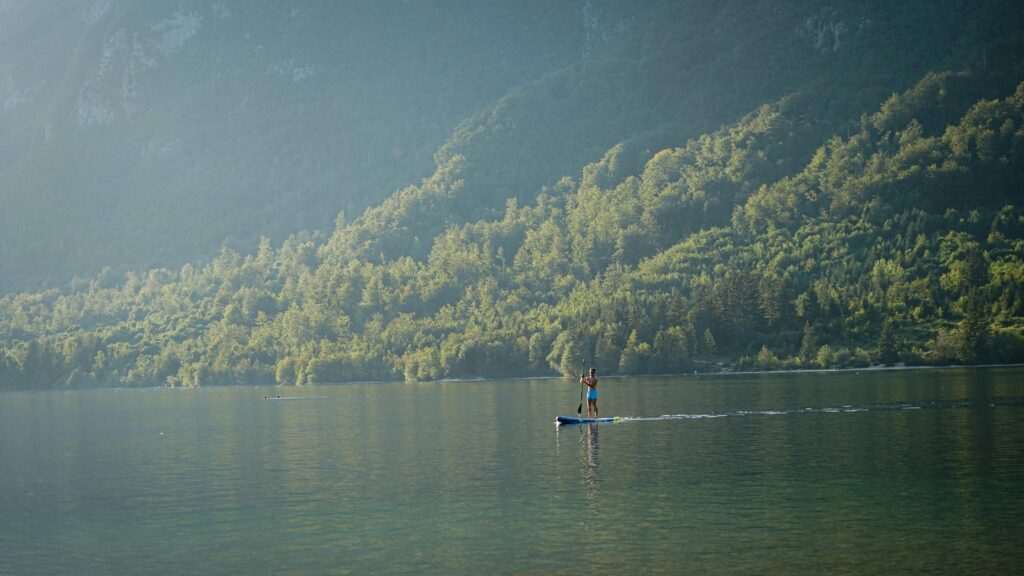
Stand-up paddleboarding in Anchorage is easier to get into than most visitors expect. The city sits ringed by calm freshwater lakes that are perfect for beginners, the mountain views from the water are extraordinary, and rental equipment is available at the most popular spots without any advance planning. The window is narrow — late May through September, with June through August being the real sweet spot — but within that window, SUP is one of the most accessible ways to experience Anchorage from a different angle.
Best SUP Locations Near Anchorage
Westchester Lagoon is the most accessible option in the city. It’s a sheltered tidal lagoon in west Anchorage, just a short drive or bike ride from downtown via the Tony Knowles Coastal Trail. The water is calm, the lagoon is wide enough to paddle comfortably without crowding, and the views of the Chugach Mountains to the east are striking from the water’s surface. Beginners do well here — there’s no current, no boat traffic to contend with, and the gradual shoreline makes launching easy.
Goose Lake is a popular urban park lake in midtown Anchorage, shallow and calm, with a sandy beach area and lifeguards on duty in summer. The setting is more of a neighborhood swimming hole than a wilderness destination, but the gentle conditions make it genuinely beginner-friendly, and it’s an easy stop for families. Paddleboard rentals are sometimes available through vendors at the lake in peak season.
Jewel Lake in south Anchorage offers a quieter alternative to the more popular spots. It’s smaller and less trafficked, which appeals to people who want a calm morning paddle without the crowds Westchester Lagoon draws on a sunny weekend afternoon. The surrounding neighborhood keeps the backdrop less wild than the mountain lakes, but the water is reliably calm and the access is easy.
Mirror Lake in the Mat-Su Valley, about 45 minutes north of Anchorage near Wasilla, is the standout scenic option. The lake lives up to its name — on a calm morning it produces near-perfect mountain reflections — and the setting is distinctly Alaskan: boreal forest along the shoreline, peaks above, clear glacially-fed water below. The drive is straightforward via the Parks Highway. A day trip combining Mirror Lake paddling with a stop at a Mat-Su farm stand is a satisfying summer outing.
Wildlife on the Water
Alaska lakes offer wildlife encounters you won’t find on most paddleboard trips elsewhere. Common loons are year-round residents on Anchorage-area lakes — hearing their call echo across the water while paddling at 9 p.m. in the long summer light is one of the more genuinely memorable Alaska experiences. Mergansers, mallards, and Arctic terns work the same water you’re paddling. Bald eagles perch in spruce trees along the shoreline or ride thermals overhead. At Mirror Lake, it’s not unusual to see moose wading in the shallows during early morning hours. Keep your distance and let the stillness do the work — the view from a board puts you at water level in a way that changes what you notice about the landscape.
What to Wear
This is where Alaska SUP differs from warm-weather paddleboarding. Even in July and August, lake water temperatures in Anchorage run between 50–60°F at the surface — cold enough to cause cold shock if you fall in. For calm lake paddling on a warm day, a wetsuit is recommended but not always required if you’re comfortable and staying close to shore. For Mirror Lake or any early or late season paddling, a 3mm wetsuit is smart insurance. A PFD (personal flotation device) is required by Alaska law for all watercraft, including paddleboards. Wear it — the lakes may look benign, but cold-water immersion is a genuine hazard.
What to Bring
A few items make the difference between a comfortable session and a cold, sunburned one. A dry bag or waterproof case for your phone is essential — boards tip, especially for first-timers. Bring sunscreen: UV reflection off calm water is intense on a bright Anchorage afternoon, and a burn comes faster than expected. Bring more water than you think you need. A light jacket or fleece goes into the dry bag; even July afternoons can cool quickly when the sun drops behind the inlet. Leash your board to your ankle — if you fall, the last thing you want is your board drifting across a cold lake.
Rentals and Lessons
Several Anchorage outfitters offer paddleboard rentals and beginner lessons during the summer season. Rentals typically run $25–50 per hour for a board and paddle; lessons add instruction on stance, balance, and turning fundamentals and are worth the cost for first-timers. Check for current operators near Westchester Lagoon and Goose Lake — vendors sometimes operate seasonally from the parking areas, and availability varies year to year. Calling ahead or checking current reviews is the best way to confirm what’s operating in 2026.
Safety: What to Avoid
The calm lakes listed above are appropriate for SUP. Turnagain Arm and Cook Inlet are not. Anchorage’s tidal waters have some of the most extreme tidal ranges in the world — up to 38 feet in Turnagain Arm — and the currents are fast, unpredictable, and dangerously cold. Don’t attempt to paddleboard in tidal waters near Anchorage. Even experienced paddlers with appropriate equipment would be taking a significant risk. Stick to the freshwater lakes.
Best Months
The optimal window is late June through August. Water temperatures are at their highest, daylight is effectively unlimited, and weather is most reliably clear. May can work but water is cold coming out of winter, and lake ice on higher-elevation lakes can persist into late May. September is still paddleable but water cools quickly and the weather becomes unpredictable.
Planning Your Day
A Westchester Lagoon paddle pairs naturally with a walk along the Tony Knowles Coastal Trail — the two share the same waterfront and the transition from board to foot takes five minutes. For Mirror Lake, leave Anchorage by 8 a.m. to catch the calm morning water before afternoon winds arrive. Bring water, a dry bag for your phone, and extra layers — paddleboarding at 3,000 feet in Alaska has a way of being colder than expected even when the sun is out.
Featured photo by Nejc Soklič on Pexels.

No comments yet.