
Alaska Salmon Bake Anchorage: 2026 Guide to Fresh Salmon Dinners
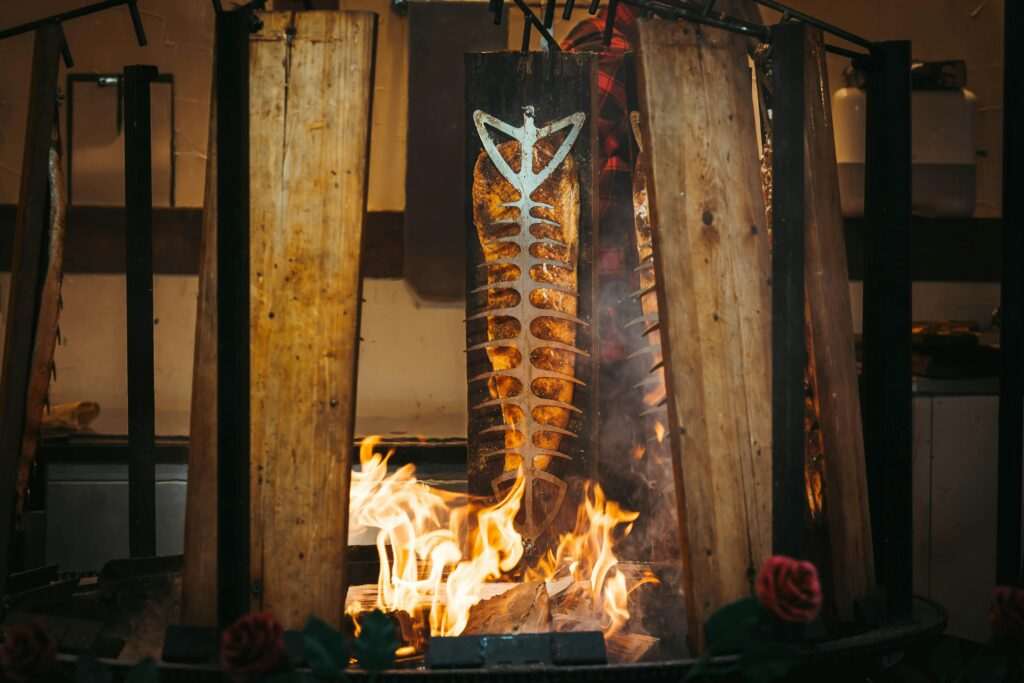
An Alaska salmon bake is exactly what it sounds like: fresh-caught salmon — king, sockeye, or silver — cooked over an open fire or alder wood grill, served outdoors or in a covered pavilion, typically all-you-can-eat with classic sides. It’s one of the most distinctively Alaskan dining experiences available to visitors, and it’s worth understanding what’s actually available near Anchorage in 2026 versus what requires a day trip or a longer itinerary.
What a Traditional Alaska Salmon Bake Is
The classic Alaska salmon bake has its roots in Alaska Native cooking traditions, where salmon was prepared over open fires on cedar or alder stakes — a method that slowly cooks the fish while infusing it with wood smoke. Modern commercial salmon bakes typically use a variation of this method: whole fillets or sides of salmon pinned to wooden planks or stakes, cooked beside an open fire rather than directly over it. The result is salmon that’s moist and smoky in a way that conventional grilling doesn’t replicate.
Traditional all-you-can-eat salmon bake dinners typically run $40–$65 per person and include sides like sourdough bread, corn on the cob, baked beans, coleslaw, and seasonal Alaska vegetables. Beer, wine, and nonalcoholic beverages are usually available for an additional charge. The setting is usually outdoors or semi-covered — weatherproof enough for Alaska summers, but oriented toward the experience of eating outside in the wilderness.
Salmon Bake Options Near Anchorage
It’s worth being direct: the most famous Alaska salmon bakes — the ones with long histories and dedicated outdoor pavilions — are in Juneau (Gold Creek Salmon Bake) and near Denali. Anchorage’s salmon bake options are more tied to tour packages and seasonal pop-ups than fixed-venue dinner destinations. That doesn’t make them less worthwhile; it just means a bit more advance planning.
Tour-Package Salmon Bake Dinners
Several Anchorage-based tour operators include salmon bake dinners as part of wildlife viewing or sightseeing packages. Alaska Heritage Tours offers combination packages that pair afternoon wildlife excursions with evening salmon bake dinners. These typically operate seasonally (June through August) and require advance booking — they fill up, especially in July. Prices run $80–$120 per person inclusive of the tour and dinner.
Kenai Fjords and Resurrection Bay cruise operators based in Seward — about 125 miles south of Anchorage — sometimes offer salmon bake dinners on the return leg. The Portage Glacier Cruises area is a scenic stop en route to Seward, and the combination of a day on the water with an evening salmon dinner is a natural Alaska itinerary. Check operators in Seward directly for current 2026 dinner cruise availability.
Talkeetna Salmon Bake Events
Talkeetna — 115 miles north of Anchorage via Parks Highway — hosts seasonal salmon bake events that draw visitors combining a Denali flightseeing day with an evening meal. The Alaska Railroad offers a day excursion from Anchorage to Talkeetna with return service, making it possible to do both in a single day. Talkeetna’s salmon bake options are smaller and more informal than the big Juneau operations, but the setting — a small historic town beneath the Alaska Range — is exceptional.
DIY: Buy Fresh Salmon and Cook Your Own
For many visitors, the most satisfying salmon bake in Anchorage is one they arrange themselves. Fresh Alaska salmon is widely available at local seafood markets throughout the summer season:
- 10th and M Seafoods: An Anchorage institution; whole fish, fillets, and custom processing available during the salmon season (June–September).
- New Sagaya City Market: Full-service grocery with a strong fresh fish counter; sockeye and king salmon available when in season.
- Dock-direct from fishermen: During peak sockeye runs, individual fishermen at the small boat harbor sell direct from their vessels — cash, same-day freshness, and a genuine Alaska interaction.
If you’re staying somewhere with outdoor cooking access — a vacation rental, a campsite, or an RV park — cooking your own salmon over a wood fire or on a charcoal grill produces results that rival any restaurant. Simple preparation works best: salmon, butter, lemon, salt, and heat. The fish does the rest.
Catching your own is another option. The Ship Creek fishery in downtown Anchorage runs king, pink, and silver salmon through summer — a licensed angler can catch, clean, and cook their own dinner the same evening. Few cities in the world offer that combination of urban access and wild salmon fishing.
Types of Salmon Served
Alaska produces five Pacific salmon species, and knowing which you’re eating matters for expectations:
- King salmon (Chinook): The largest and most prized; rich, high-fat flesh. June–July season. Premium pricing.
- Sockeye (Red): Deep red color, firm texture, strong flavor. The most common species at commercial salmon bakes. July–August peak.
- Silver salmon (Coho): Milder flavor, lighter color. August–September. A good choice for those new to salmon.
- Pink salmon: Lighter and more delicate; least expensive. Used frequently in prepared dishes. July–August.
Most commercial salmon bakes serve sockeye or king — occasionally both, with king at a premium. If you’re buying at a market, sockeye is the best value-to-quality option for grilling.
Planning Your Salmon Bake Experience
Book tour-based salmon bake dinners at least two weeks in advance in July — they sell out. If you’re flexible on timing, June and late August have better availability. For the DIY route, check the Alaska Department of Fish & Game’s weekly update on salmon run timing, which determines when the best fish are available at markets and docks.
If you’ve never attended a commercial salmon bake, here’s what to expect: arrival typically includes a welcome drink, followed by an all-you-can-eat dinner served buffet-style alongside the fire. The pace is relaxed and communal — you’ll likely share long tables with other visitors and locals. Some events include cultural demonstrations or live music. Dress in layers; even covered pavilions can get cool in the evening. Bring a camera for the fire-cooking setup — it’s genuinely worth photographing.
The experience of eating wild Alaska salmon in Alaska, prepared simply and eaten outdoors, is one of those things that genuinely tastes better in context — and the context here is hard to beat.

No comments yet.