
Whale Watching Kenai Fjords National Park: 2026 Guide
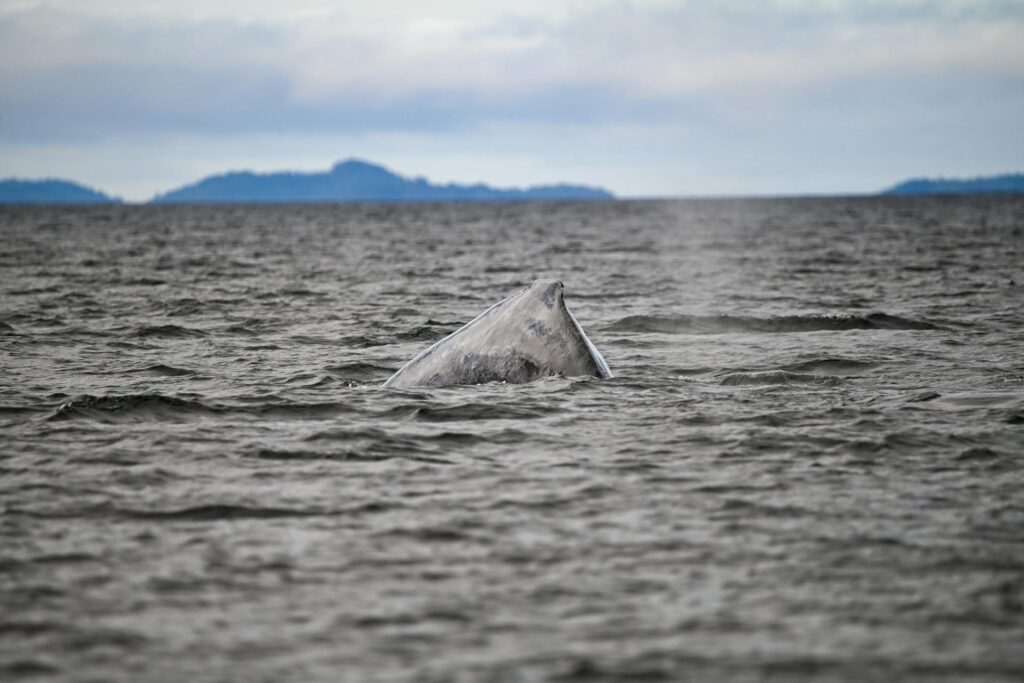
The boat is barely a mile from Seward’s Small Boat Harbor when the first humpback surfaces. A slow exhalation, a long arched back, and then the tail — lifted clean out of the water before the whale slides below the surface. This is whale watching in Kenai Fjords National Park, and it rarely disappoints. Combined with tidewater glaciers, puffin colonies, orca sightings, and the sheer scale of the Alaskan coastline, it’s one of the most complete wildlife days available anywhere in the state — and it’s just 2.5 hours from Anchorage.
Why Kenai Fjords
Kenai Fjords National Park protects 669,000 acres of glaciers, fjords, and marine wilderness along the Gulf of Alaska. The warm-ish waters of Resurrection Bay and the outer coast funnel an extraordinary concentration of marine life: humpback whales feed in the bay from late May through September; orcas — both resident fish-eating pods and transient mammal-hunters — pass through regularly. Steller sea lions haul out on rocky outcrops at the park boundary. Sea otters wrap themselves in kelp. Tufted and horned puffins nest on island headlands in colonies you can float past at close range. Harbor porpoises and Dall’s porpoises bow-ride tour boats. For density and variety of marine wildlife, few places on Earth match a full-day tour here.
Tour Options and Pricing
Two established operators dominate departures from Seward’s Small Boat Harbor: Major Marine Tours and Kenai Fjords Tours. Both run daily trips from late May through early September. Approximate 2026 pricing:
- Half-day tour (4–5 hours): $100–$130 per person. Covers Resurrection Bay and the outer coastline, including sea lion rocks and seabird colonies. Good for families with young children or those prone to seasickness.
- Full-day tour (8–9 hours): $175–$210 per person. Extends into the outer fjords, reaching Holgate or Aialik Glacier for calving ice and the most productive humpback feeding grounds. Most operators include a hot meal onboard.
- Northwestern Fjord overnight cruise: Premium multiday option offered by select operators; reaches the most remote glaciers and wildlife habitat in the park. Pricing varies — check directly with operators.
Book 1–2 weeks ahead for peak July weekends. Both operators have excellent naturalist guides onboard who narrate wildlife sightings and glacier history throughout the trip.
What to Expect on the Water
Tours depart from the Seward Small Boat Harbor, typically at 8 or 9 a.m. The first hour moves through Resurrection Bay, where humpbacks are common as early as June 1. The outer coast opens the wildlife roster wider: sea lion haulouts, puffin nesting colonies, and — if conditions allow — a close approach to a tidewater glacier face. Calving events (when house-sized chunks of ice break off and crash into the water) are among the most dramatic things a first-time Alaska visitor will see. Return to harbor is typically mid-to-late afternoon.
Dress for the boat deck, not the shoreline. Even on a sunny 65°F day in Seward, standing on an open deck at 20 knots feels much colder. Bring a heavy fleece, a wind and waterproof shell, and a hat. Operators provide seasickness bags but not medication — if you’re susceptible, take a non-drowsy antihistamine (like meclizine) the night before and morning of your trip.
What to Pack
The single most common mistake on a Kenai Fjords tour is underdressing. Even on a sunny day in Seward, the open boat deck at cruising speed runs 15–20°F colder than shore. Pack accordingly:
- Base layer: Synthetic or wool — not cotton. You’re not going to get wet, but you will get cold, and moisture-wicking base layers make a significant difference over four to nine hours.
- Midlayer: A heavy fleece or down jacket. This goes on when the boat stops to watch wildlife and the wind-chill disappears.
- Outer shell: Windproof and waterproof. Spray off the bow is intermittent but real, especially on full-day trips that reach the outer fjords.
- Hat and gloves: Non-negotiable from June onward. Fingerless gloves are ideal for operating a camera.
- Binoculars: A 8×42 or 10×42 pair transforms the trip. Whale flukes and puffin colonies are satisfying at 200 meters; they’re extraordinary through glass.
- Seasickness medication: If you’re susceptible, take a non-drowsy antihistamine the evening before and the morning of. Waiting until you feel sick is too late.
Best Months
June and July are peak season: humpbacks are feeding actively, puffins are nesting, sea lion pups appear on the rocks, and Alaska’s extraordinary summer light means 18+ hours of usable photography time. August extends the season with slightly lower crowds and a softer, golden afternoon light. Late May trips can be excellent for keen wildlife watchers but may catch rougher weather. September brings fall light and fewer boats, though some operators scale back or end their season by mid-month.
Getting There from Anchorage
Seward sits 127 miles south of Anchorage via the Seward Highway — consistently listed among the most scenic drives in North America. The road follows Turnagain Arm before climbing through Chugach National Forest and descending to the coast. Allow 2 to 2.5 hours. Leave early to snag parking near the harbor.
If you’d rather not drive, the Alaska Railroad runs a dedicated Coastal Classic train from Anchorage to Seward, departing around 6:45 a.m. and arriving roughly 4.5 hours later. The return departs Seward in late afternoon, giving you a full day on the water without dealing with a car. The train is genuinely scenic — glaciers, rivers, and coastal views the whole way.
Combining with the Rest of Seward
A whale watching tour fills a full day, but if you’re spending a night, Seward rewards extra time. The Alaska SeaLife Center is the state’s only public aquarium and marine research facility — harbor seals, Steller sea lions, and puffins in residence, with excellent interpretive displays on the Kenai Fjords ecosystem. Exit Glacier, the only road-accessible part of Kenai Fjords National Park, is 9 miles from downtown and offers easy walks to a glacier face or a strenuous ridge hike with sweeping views. The Seward waterfront has solid seafood restaurants and a surprisingly good small-town food scene for a post-tour dinner before the drive home.
Frequently Asked Questions
Do whale watching tours guarantee sightings?
No operator can guarantee wildlife in the wild, but the practical reality is that humpback whales are present in Kenai Fjords and Resurrection Bay from late May through September in numbers that make a sighting extremely likely. Most operators report whale sightings on the vast majority of departures. Orca sightings are less consistent — they’re encountered regularly through the season but not on every trip. Puffins and sea lions are nearly certain from late May onward.
How long are the tours?
Half-day tours run 4 to 5 hours and cover Resurrection Bay and the outer coastline. Full-day tours run 8 to 9 hours and extend into the outer fjords, reaching tidewater glaciers and the most productive humpback feeding grounds. Both depart from Seward’s Small Boat Harbor in the morning; full-day trips return in mid-to-late afternoon.
What is the cancellation policy?
Major operators offer full refunds for cancellations made 24 to 48 hours before departure — confirm the specific policy when booking, as it varies by operator and season. Tours run in most weather; operators cancel only for sea conditions or visibility that make navigation unsafe. If an operator cancels, guests receive a full refund or a rebooking option at no additional cost.
Featured photo by Beth Fitzpatrick on Pexels.

No comments yet.