
Sea Kayaking Prince William Sound 2026: Complete Guide
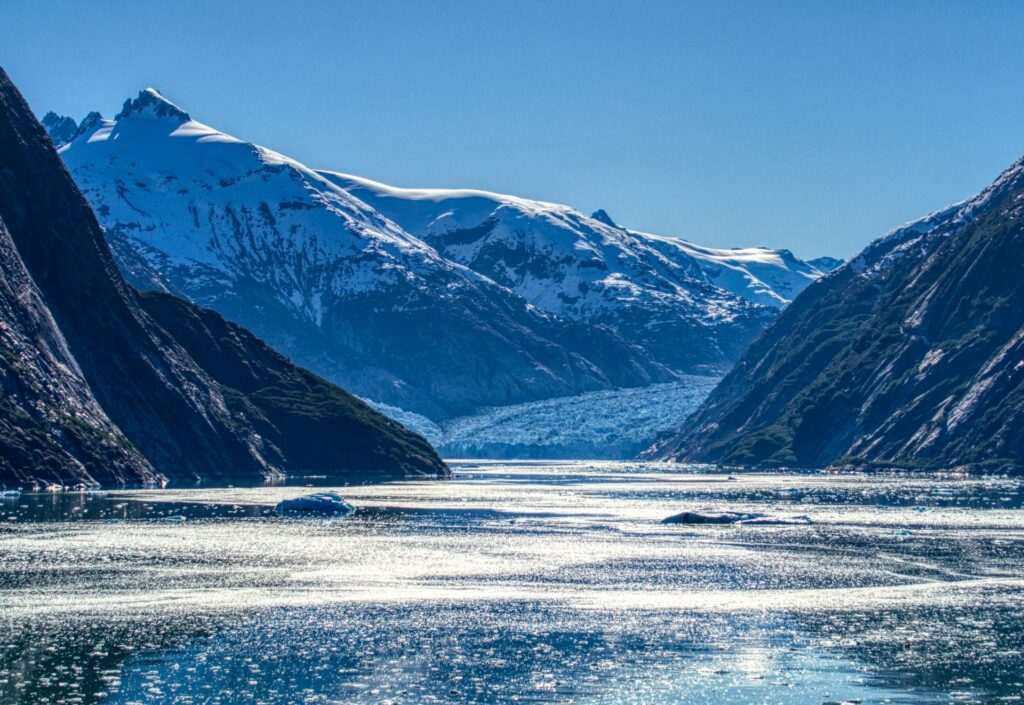
There are kayaking destinations, and then there is Prince William Sound. Here, tidewater glaciers calve directly into fjords that stretch 50 miles from salt water to snowfield. Sea otters float in the kelp. Humpback whales surface without warning. Orcas move through in coordinated silence. Sea kayaking Prince William Sound is one of those experiences that reframes your sense of what Alaska actually is — and it’s accessible from Anchorage in under three hours.
Why Prince William Sound
The Sound covers roughly 15,000 square miles of sheltered ocean, fjords, bays, and islands — protected from the open Pacific by the Kenai Peninsula and Montague Island. The result is waters that, on calm days, sit flat enough for beginners while offering genuinely remote wilderness within a few paddle strokes of the put-in. Wildlife is exceptional: harbor seals haul out on ice floes near the glaciers, Steller sea lions patrol the outer coast, puffins nest on rocky headlands, and black bears patrol the shoreline at low tide. On a good day, you may spot all of the above on a single guided half-day trip.
Day Kayaking from Whittier
Whittier, 60 miles southeast of Anchorage, is the primary gateway for Prince William Sound paddling. The town sits directly on the water, and several licensed tour operators run guided kayak trips from the harbor daily from late May through September.
Typical 2026 pricing:
- Half-day guided trip (3–4 hours): $80–$120 per person. Usually includes a paddle along the Passage Canal shoreline with views toward Blackstone Bay or College Fjord. Great for first-timers and families.
- Full-day guided trip (6–8 hours): $150–$200 per person. More time on the water, often reaching tidewater glacier faces such as Blackstone Glacier. Lunch is typically included.
All reputable operators supply kayaks, paddles, PFDs, paddle jackets, and dry bags. On most trips, the guide also provides a dry suit or wetsuit — confirm when booking, as cold-water immersion protection is essential even in summer (water temperature rarely exceeds 50°F). No prior kayaking experience is needed for guided trips; guides cover basic strokes and safety in a shore briefing before launching.
Two established operators worth booking: Prince William Sound Kayak Center has guided paddlers through the Sound’s fjords and glacier bays for years, offering single and tandem sea kayaks along with expert naturalist guides who know the local tides, wildlife corridors, and the best coves for a lunch break. Lazy Otter Charters runs both guided kayak trips and water-taxi services — their water-taxi option lets independent paddlers launch from Whittier and reach remote bays like Blackstone Bay that would otherwise consume most of a full paddling day just to access.
Getting to Whittier requires driving through the Anton Anderson Memorial Tunnel — a 2.5-mile shared road/rail bore under the Chugach Mountains. The toll is approximately $13 each way for a passenger vehicle. The tunnel operates on a 30-minute alternating schedule, so check current departure times at the Alaska DOT website before you go to avoid a long wait at the portal.
Prefer to skip the tunnel drive? The Alaska Railroad runs a seasonal Glacier Discovery train from Anchorage to Whittier designed for day-trippers. The train departs mid-morning and returns in the evening, passing through the Portage Valley and arriving directly at the Whittier waterfront — no tunnel scheduling required. Check Alaska Railroad’s website for 2026 schedules and fares before booking your kayak trip so the two arrivals align.
Day Kayaking from Seward
Seward, about 2.5 hours south of Anchorage on the Seward Highway, offers a second excellent base. Guided sea kayaking trips depart from Seward’s Small Boat Harbor into Resurrection Bay, a deep fjord flanked by Kenai Fjords National Park. Day trips here often include glacier viewing, wildlife spotting (sea otters, Dall’s porpoise, Steller sea lions), and — in summer — spectacular wildflower-covered hillsides above the waterline. Half-day trips run similarly priced to Whittier; some full-day options include a water-taxi segment to reach more remote bays within the national park boundary.
The drive to Seward doubles as a sightseeing route. At Mile 79 on the Seward Highway, the turnoff to Portage Lake puts you minutes from Portage Glacier cruises — a 45-minute boat tour that brings you within striking distance of the glacier face. Combining a Portage cruise in the morning with an afternoon sea kayak session in Seward makes for one of the most glacier-dense days you can build in Alaska without leaving the highway corridor.
Multi-Day and Independent Paddling
For experienced paddlers, Prince William Sound offers some of the most rewarding kayak camping in North America. The Sound has dozens of designated camping sites accessible only by water, and water-taxi services from Whittier can drop kayakers at remote bays — Eshamy Lagoon, Culross Passage, Port Nellie Juan — far from motorized traffic. Multi-day permits for camping within the Sound’s state marine parks are inexpensive and available through Alaska State Parks. That said, independent paddling here demands genuine cold-water rescue skills, solid navigation ability, and understanding of tidal currents and katabatic winds. If you don’t have that background, a guided expedition operator is the right choice.
Skill Level and Safety
Guided day trips are appropriate for complete beginners, including older children (most operators set a minimum age of 8–10 years). Independent paddling in Prince William Sound is a different matter: water temperatures make an unplanned capsize dangerous within minutes without a dry suit, and weather can change rapidly. Anyone paddling without a guide should have practiced wet re-entries, be comfortable in a touring kayak, and always file a float plan.
What to Wear and Bring
- Layers: Even on warm days, bring a fleece mid-layer — you will be sitting still on the water, and wind chill accelerates cooling.
- Waterproof outer layer: Tour operators supply paddle jackets, but bring rain pants if you have them.
- Sunscreen and sunglasses: UV reflects strongly off the water; protection matters even under cloud cover.
- Snacks and water: Full-day trips often include lunch; half-day trips typically do not.
- Camera or waterproof case: The wildlife encounters are real. Be ready.
Best Time to Go
Late May through September is the operating window, with June and July offering the most reliable calm weather, the longest days (18+ hours of light near the solstice), and peak wildlife activity. August is slightly less consistent but still excellent, and the light takes on a golden quality that makes for extraordinary photography. September brings fall colors to the hillsides and fewer crowds, but weather deteriorates and some operators scale back their schedule.
Featured photo by Stephen Taylor on Pexels.



No comments yet.